


Understanding PVC Material in Backpacks
PVC, or Polyvinyl Chloride, is a versatile synthetic plastic polymer widely used across numerous industries. Its application in backpack manufacturing has grown due to its promising benefits. As a material, PVC brings substantial attributes like durability, flexibility, and resistance to environmental elements, which make it a popular choice for bag manufacturers, including wholesale, factory, and supplier partners who focus on mass production and distribution.
Key Properties of PVC in Backpack Manufacturing
- Durability: PVC is known for its excellent durability, making it resistant to wear and tear.
- Flexibility: Despite its strength, PVC remains flexible, accommodating various backpack designs.
- Cost-Effectiveness: As a readily available material with affordable production costs, PVC is a cost-efficient choice for manufacturers.
Defining Waterproof vs. Water-Resistant
In discussions about backpack performance, waterproof and water-resistant are terms often used interchangeably, yet they signify different levels of protection.
Waterproof Explained
- A waterproof backpack ensures that no water can penetrate the material, even under extended exposure.
- Typically achieved through materials with sealed seams and closures, such as roll-top designs.
Understanding Water-Resistance
- Water-resistant materials repel water to some extent but are not impervious to it.
- Suitable for light rain or brief exposure to moisture.
Evaluating the Waterproof Claims of PVC Backpacks
PVC backpacks are often marketed as waterproof due to the inherent properties of PVC material. However, the degree of waterproofing can depend on several factors.
Material Testing and Standards
PVC’s effectiveness at waterproofing is measured using the hydrostatic head test, where a minimum of 1,500 mm is considered waterproof. However, for full waterproofing, figures above 10,000 mm are recommended.
Backpack factories often adhere to international waterproofing standards, ensuring their products meet the demands of both wholesale and supplier markets. A standard testing parameter helps maintain consistency in product quality.
Design Features Enhancing Waterproofing
Besides material properties, design elements are critical in enhancing a backpack's waterproof capabilities.
Seam Sealing and Closure Systems
Effective waterproof backpacks employ seam-sealing technologies and robust closure systems to prevent water ingress. Seam sealing involves applying a waterproof tape over the stitches, an essential feature in high-quality waterproof backpacks.
- Roll-Top Closures: These are highly effective in maintaining a waterproof seal during water exposure.
- Waterproof Zippers: Integrated with rubber or plastic coatings to enhance resistance against moisture penetration.
Durability Factors of PVC Backpacks
When considering a PVC backpack, its durability is as crucial as its waterproofing capabilities, especially for wholesale suppliers and factory producers focusing on product longevity.
Abrasion and Tear Resistance
- PVC is designed to withstand significant friction and impacts, reducing wear over time.
- Incorporating high denier threads further enhances the fabric's resilience against tears.
Long-Term Environmental Exposure
- PVC backpacks resist degradation from UV rays, an advantage in outdoor settings.
- The material is engineered to remain robust under various weather conditions, prolonging its lifespan.
Comparing PVC Backpacks with Other Materials
In evaluating waterproof backpacks, understanding how PVC compares with other materials, like polyester or nylon, is essential for making informed choices in procurement and production.
PVC vs. Polyester
- Polyester is lighter but often requires additional coatings to reach comparable water resistance.
- PVC offers a better inherent waterproof capability without needing additional treatments.
PVC vs. Nylon
- Nylon is known for its strength and flexibility, but like polyester, it typically requires a waterproof coating.
- While nylon is often more breathable, PVC's impermeability to water makes it a preferred option in high-moisture environments.
Practical Scenarios for Using PVC Backpacks
Understanding the scenarios where PVC backpacks excel can aid factories and suppliers in targeting the right markets.
Urban Commutes
- Ideal for individuals needing reliable protection against unpredictable weather during daily commutes.
- Ensures belongings remain dry, making it suitable for carrying electronics and documents.
Outdoor Adventures
- Perfect for hikers and campers requiring robust gear that withstands harsh environments.
- Durability and waterproof features make PVC backpacks a reliable choice for long outdoor excursions.
Maintenance Tips for Waterproof Effectiveness
Maintaining the waterproof qualities of a PVC backpack ensures it continues to perform effectively.
Routine Cleaning and Care
- Avoid harsh chemicals; instead, use mild soap and water.
- Regular cleaning helps preserve the integrity of waterproof coatings and seam seals.
Storage Recommendations
- Store in a cool, dry place to prevent material degradation.
- Avoid prolonged exposure to sunlight when not in use.
Customer Reviews on PVC Backpacks' Performance
Customer feedback provides valuable insights into the real-world performance of PVC backpacks, informing factory and supplier improvements.
Durability and Reliability
- Many users highlight the robustness of PVC backpacks, especially in handling everyday wear and tear.
- Positive reviews often cite the long-lasting nature of these products.
Waterproof Efficiency
- Customers frequently express satisfaction with the waterproofing capabilities, particularly in heavy rain conditions.
- Consistent performance in keeping contents dry remains a standout feature for many users.
Future Innovations in PVC Backpack Technology
Innovations in materials and design can further enhance the capabilities and market appeal of PVC backpacks.
Advancements in Eco-Friendly PVC
- Developing PVC materials with reduced environmental impact to meet consumer demand for sustainable products.
- Incorporating recycled components into backpack designs can appeal to eco-conscious buyers.
Smart Features Integration
- Embedding technology, such as solar charging panels and electronic device integration, can enhance usability.
- Potential for RFID-blocking capabilities to provide added security for users.
Yatai Textile Provide Solutions
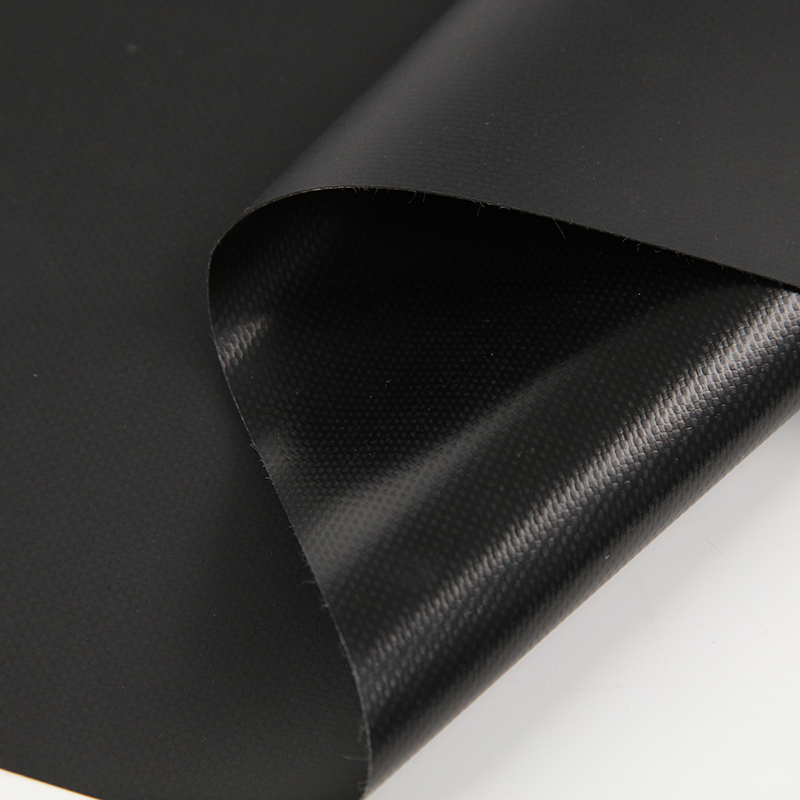
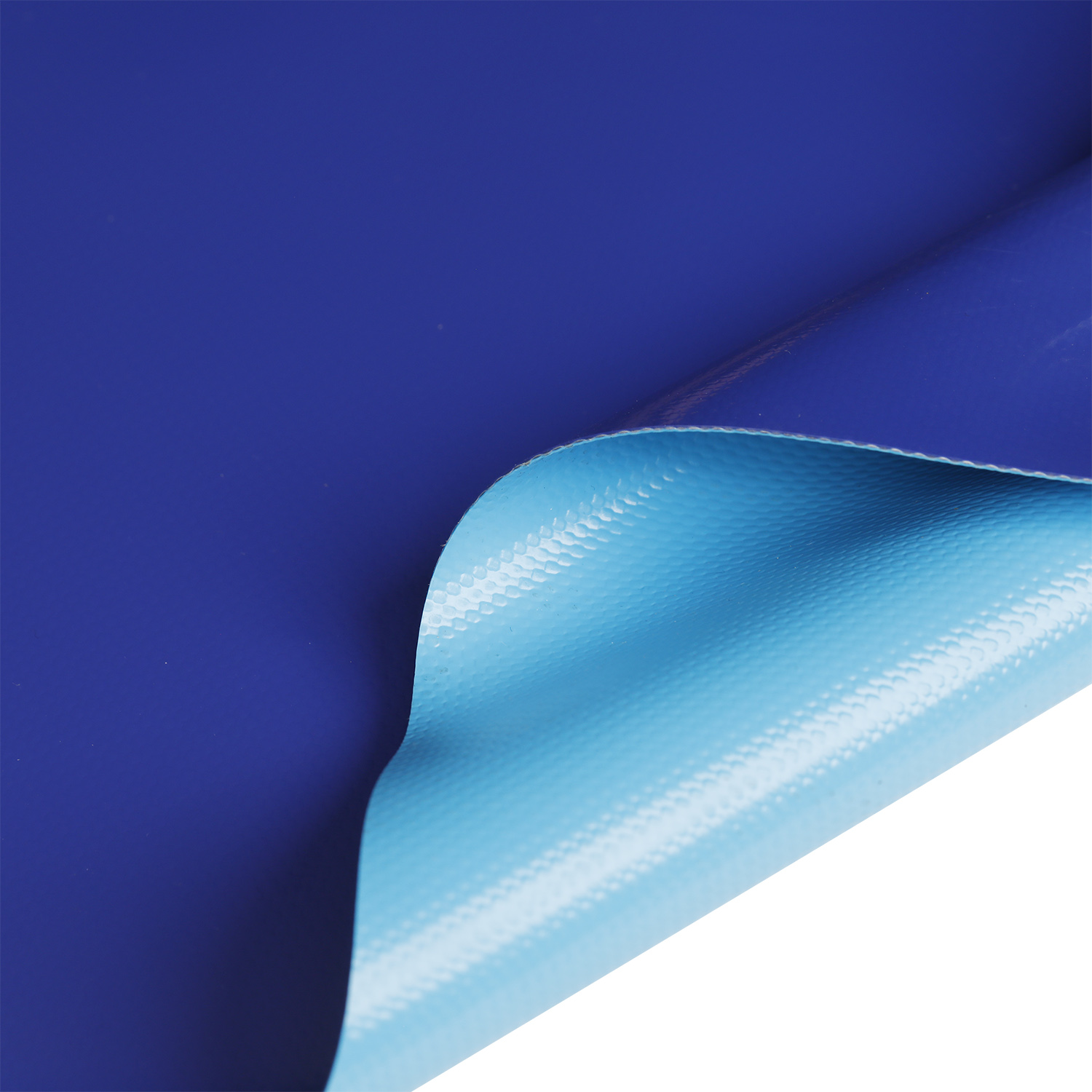
Yatai Textile specializes in offering cutting-edge PVC coated fabrics, ensuring top-notch quality, durability, and design flexibility. Our solutions are tailored to meet the diverse needs of backpack manufacturers, wholesalers, and suppliers. By emphasizing competitive pricing and customizable options, including various colors, textures, and finishes, Yatai Textile empowers partners to create unique and durable products. Our commitment to innovation and reliability ensures that we remain a top choice for industry professionals seeking high-performance materials for waterproof backpack production.
User hot search: backpack pvc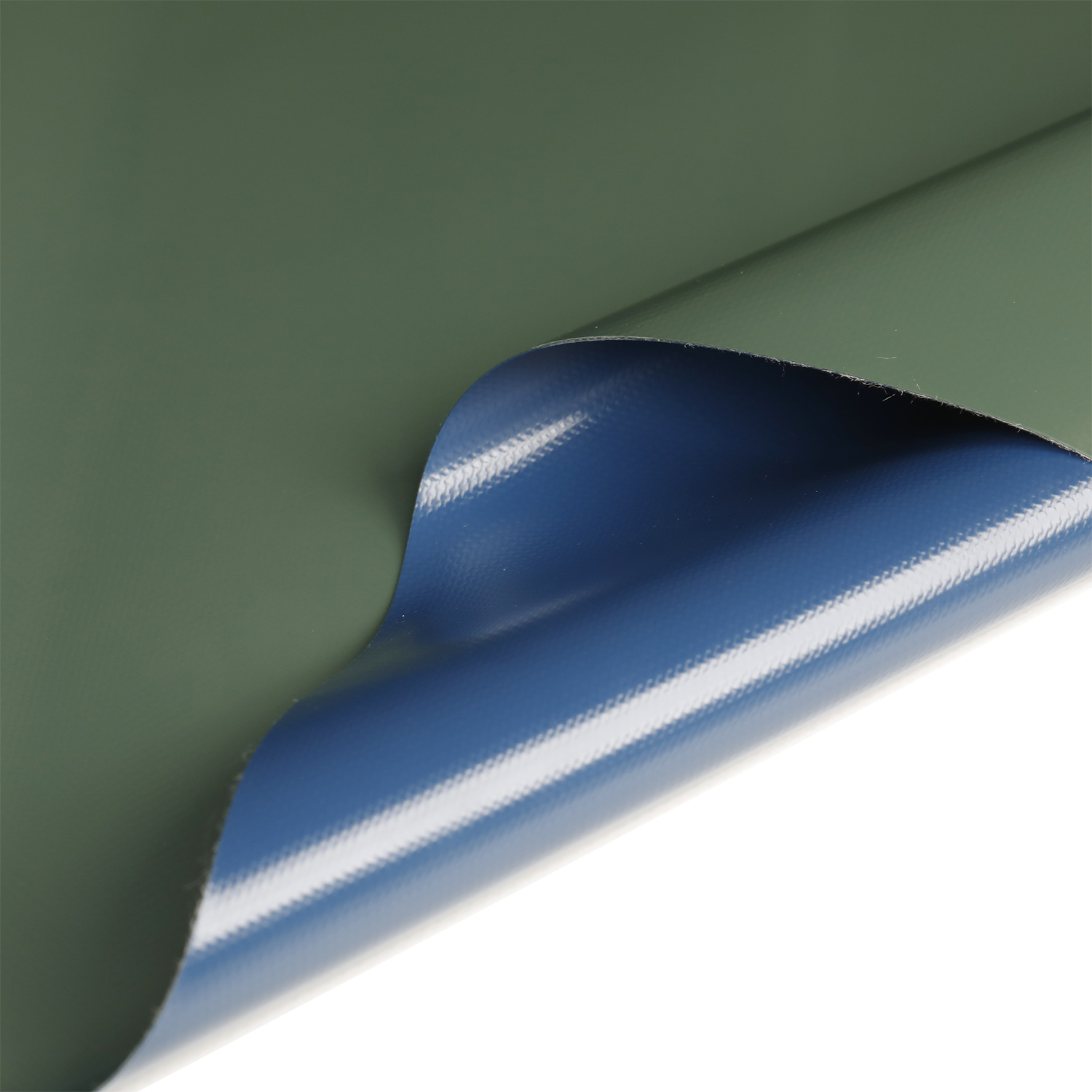


 Privacy settings