


Material Properties and Condensation Resistance
textile ductwork Material Benefits
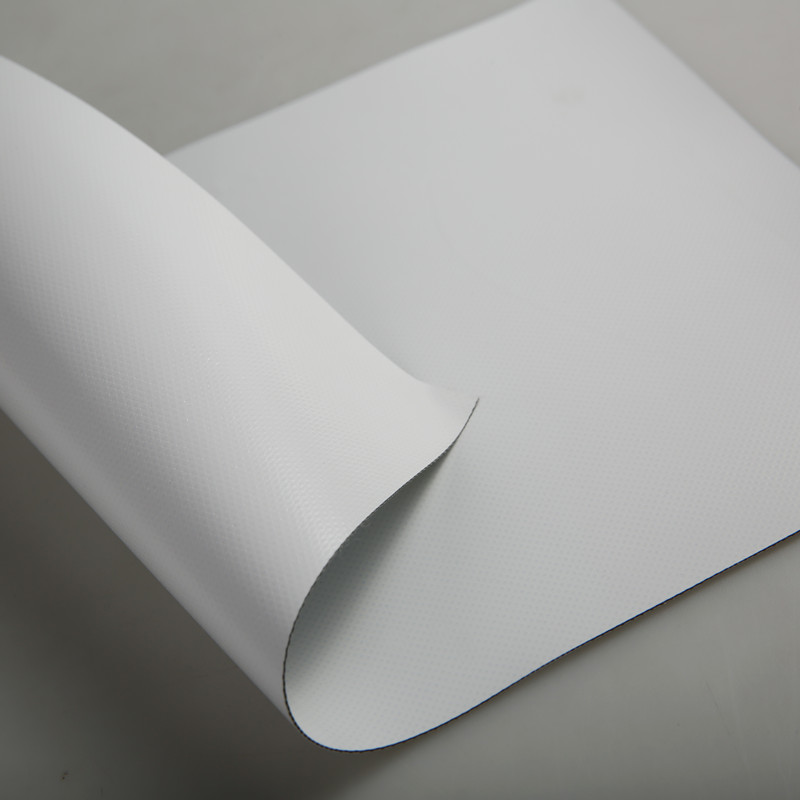
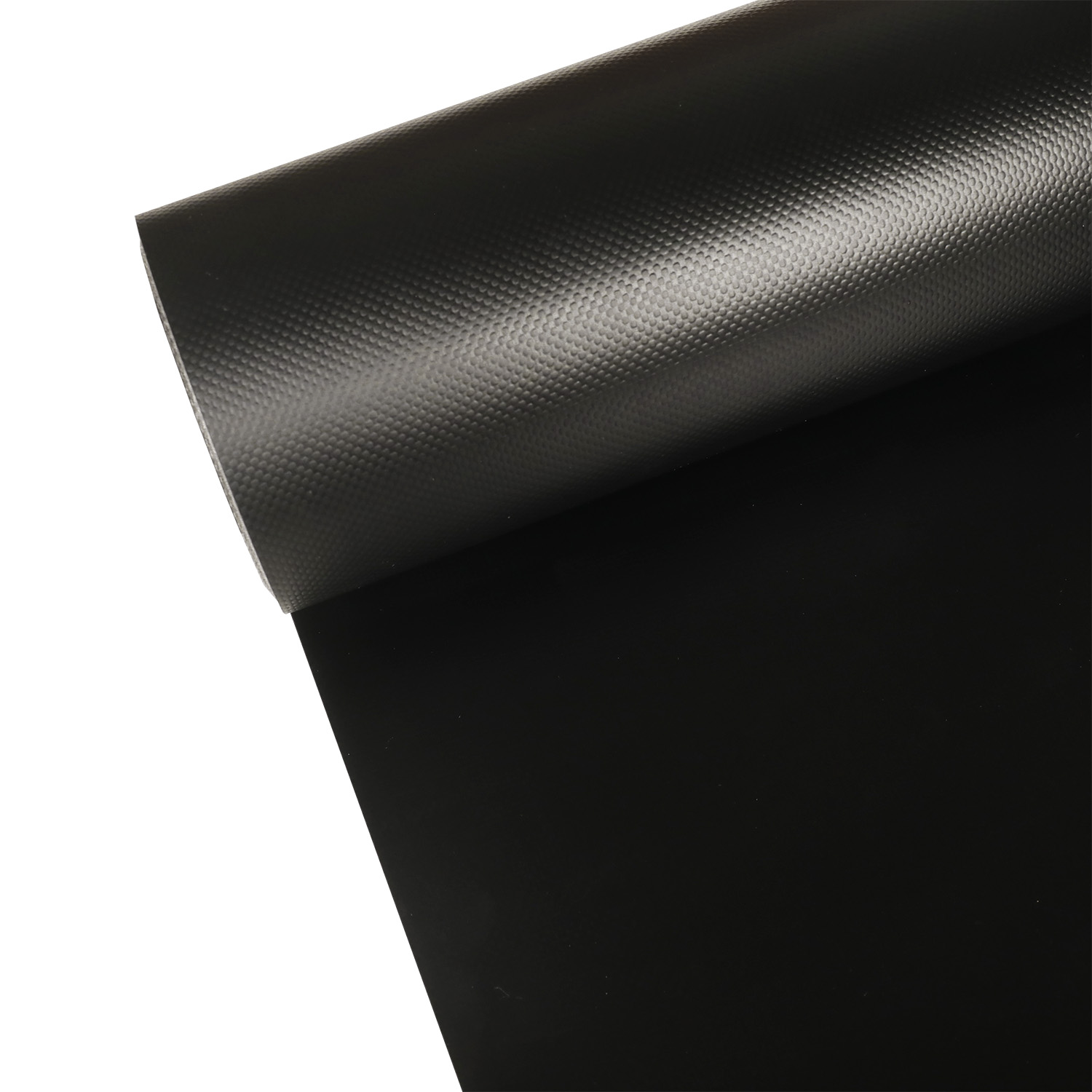
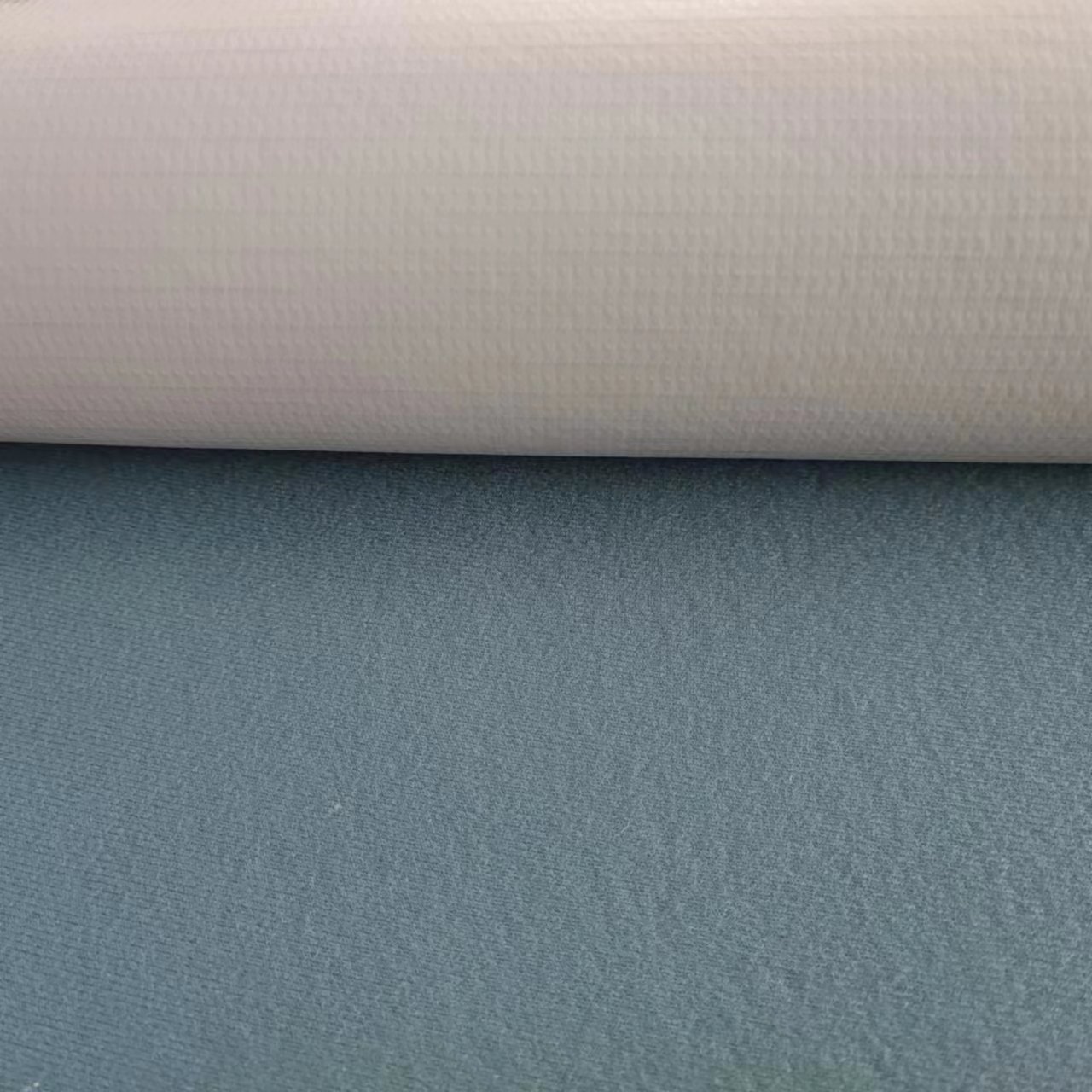
Textile ductwork is crafted from permeable fabric materials that allow minimal air passage through the material itself. This property effectively prevents surface condensation, maintaining a consistent surface temperature above the dew point. Unlike traditional metal ductwork, which is prone to condensation accumulation, leading to corrosion and structural degradation, textile ductwork mitigates these risks. Fabric ducts perform excellently in humid environments, ensuring durability and reducing the need for frequent maintenance, which significantly lowers operational costs for manufacturers, factories, and suppliers.
Weight and Structural Impacts
Comparative Analysis of Structural Load
One of the most compelling advantages of textile ductwork is its significantly lighter weight compared to metal alternatives. Typically, textile systems weigh just 5-10% of equivalent metal systems. This reduced weight translates to less structural load on building frameworks, making them an ideal choice for installations where structural integrity might be a concern. For manufacturers and suppliers, this means simpler logistics and easier compliance with building codes, particularly in retrofitting scenarios.
Installation and Transportation Requirements
Streamlined Logistics and Installation
The process of transporting and installing textile ductwork is notably more straightforward than dealing with metal ducting. Textile systems can be packed efficiently in standard cardboard boxes, facilitating global delivery without the need for specialized transportation. The installation process is user-friendly, requiring only common tools and minimal training, as pre-engineered sections simply zip together. This simplicity reduces project timelines and labor costs, benefiting suppliers who seek efficient and cost-effective solutions.
Cost-Effectiveness and Economic Considerations
Evaluating Total Cost of Ownership
While initial material costs for textile ductwork may be comparable to metal systems, the total cost of ownership is significantly lower. Textile systems incur lower transportation, installation, maintenance, and operational costs. Additionally, the reduction in installation time and labor contributes to considerable savings. For factories and manufacturers, these economic advantages are increasingly compelling, especially when facing supply chain disruptions and fluctuating material prices.
Airflow Performance and Efficiency
Precision-Engineered Air Dispersion
Engineering analyses demonstrate that textile duct systems deliver equivalent or superior airflow performance compared to metal ductwork. Textile ducts offer precision-engineered air dispersion, often allowing for reduced fan sizes and lower operating energy requirements. This efficiency results in long-term cost benefits, enhancing both performance and sustainability. Suppliers can leverage these features to provide optimized ventilation solutions tailored to specific operational needs.
Versatility and Application Suitability
Diverse Application Spectrum
Textile ductwork has expanded beyond traditional HVAC applications to suit a multitude of environments, from sports facilities and laboratories to retail spaces and hospitals. Its adaptability makes it suitable for various applications, providing manufacturers and suppliers with opportunities to cater to diverse market segments. The flexibility in design also allows for customization in lengths, shapes, and colors, offering aesthetic integration and functional performance.
Environmental Impact and Sustainability
Sustainable Design and Certifications
Textile ducts are inherently more sustainable than metal systems. They reduce energy consumption by up to 42.8% due to their efficient design which minimizes pressure loss and enhances thermal performance. The lightweight nature of the material reduces transportation emissions. Leading manufacturers now offer products with Environmental Product Declarations (EPDs) that contribute to green building standards, providing suppliers with an environmentally responsible choice that aligns with global sustainability goals.
Maintenance, Aesthetics, and Customization
Long-Term Maintenance Savings
Textile ductwork requires minimal maintenance compared to its metal counterparts. It won’t scratch or dent, and cleaning is straightforward—a significant cost-saving advantage for manufacturers and factories. Textile systems also offer a range of aesthetic customizations, including colors and patterns, without compromising on performance. This flexibility caters to the specific needs of suppliers seeking customized ventilation solutions.
Case Studies and Real-World Example
Proven Success in Different Environments
Documented case studies demonstrate the successful application of textile ducts across various settings, including offices, auditoriums, and industrial facilities. Each case underscores the operational efficiencies and cost benefits achieved through the adoption of fabric-based systems. Manufacturers and suppliers can reference these case studies to validate and support the adoption of textile ductwork in similar environments.
Key Decision Factors for Choosing Ductwork
Making Informed Choices
The choice between textile and metal ductwork ultimately depends on project-specific requirements, but understanding the fundamental differences is essential for making informed decisions. Considerations of performance, economics, and sustainability are crucial. Manufacturers and suppliers must weigh these factors against their project goals to determine the most suitable ductwork solution.
Yatai Textile Provide Solutions
Yatai Textile offers comprehensive solutions for your ductwork needs. Our textile ductwork systems are tailored to meet specific project demands, ensuring optimal performance, cost-effectiveness, and sustainability. With a focus on innovation and quality, Yatai Textile provides manufacturers, factories, and suppliers with reliable and efficient air distribution solutions that are both environmentally friendly and cost-effective, enhancing your facility's operational efficiency.



 Privacy settings