


Your last tarpaulin turned into a sad, flapping jellyfish after one windy weekend, and now every cloud, raindrop, and sunbeam feels like it’s personally attacking your poor outdoor project.
You can fix this by choosing PVC coated tarpaulin with proper thickness, UV resistance, and waterproof ratings, supported by durability data from outdoor material studies like this report from NIOSH: NIOSH Tarpaulin Safety Report.
1. 🛠️ Understanding PVC coated tarpaulin basics for durable outdoor protection
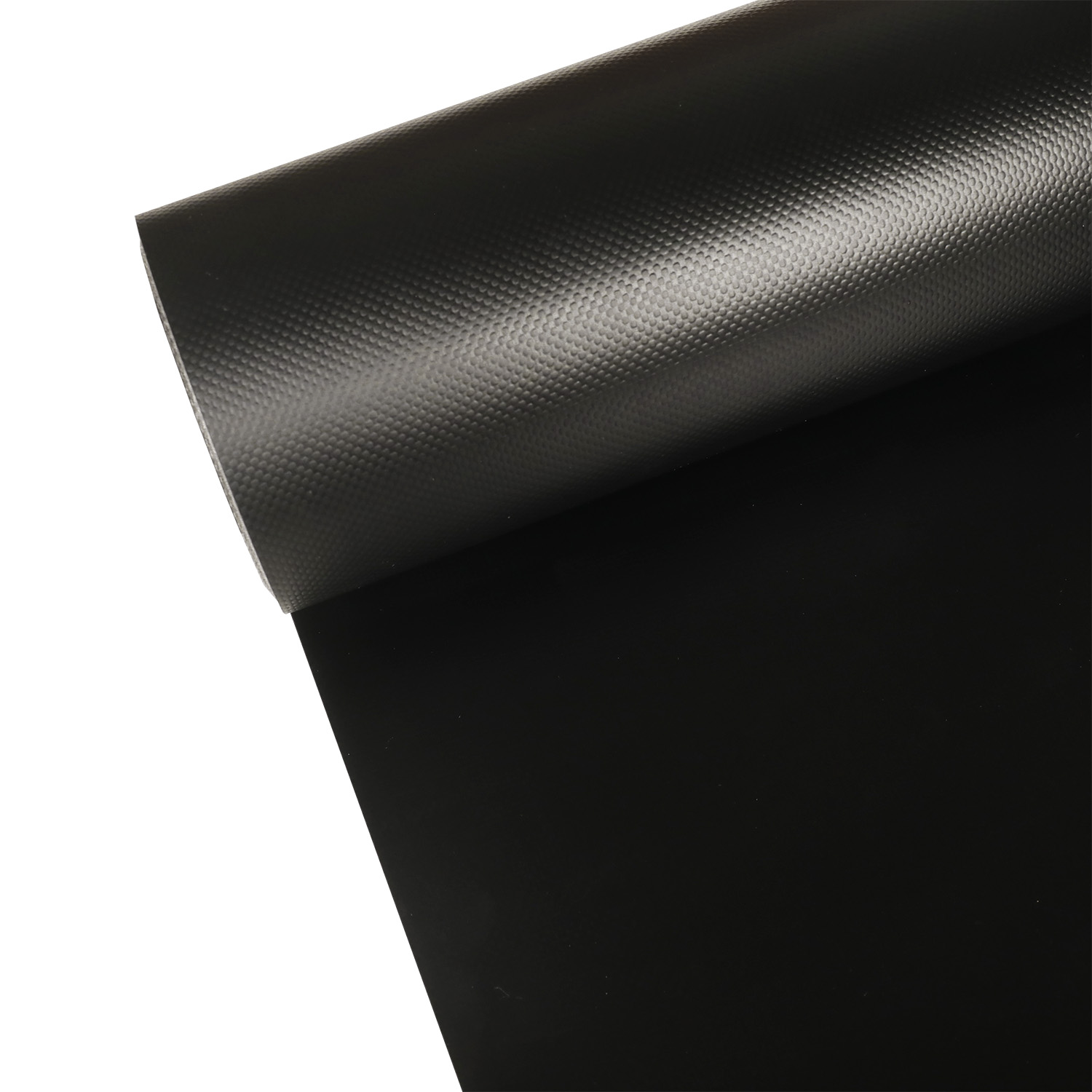
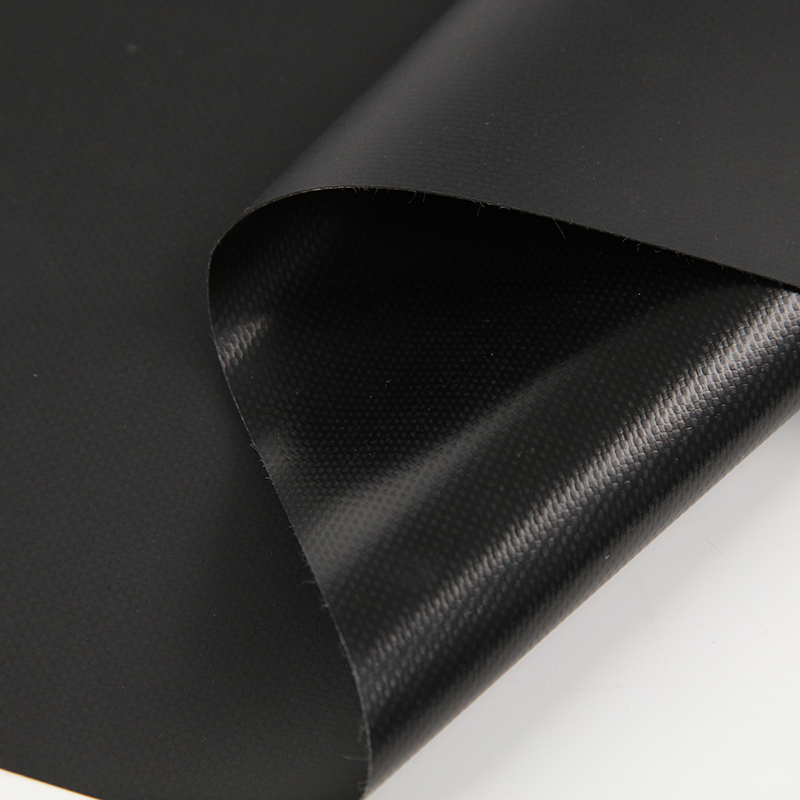
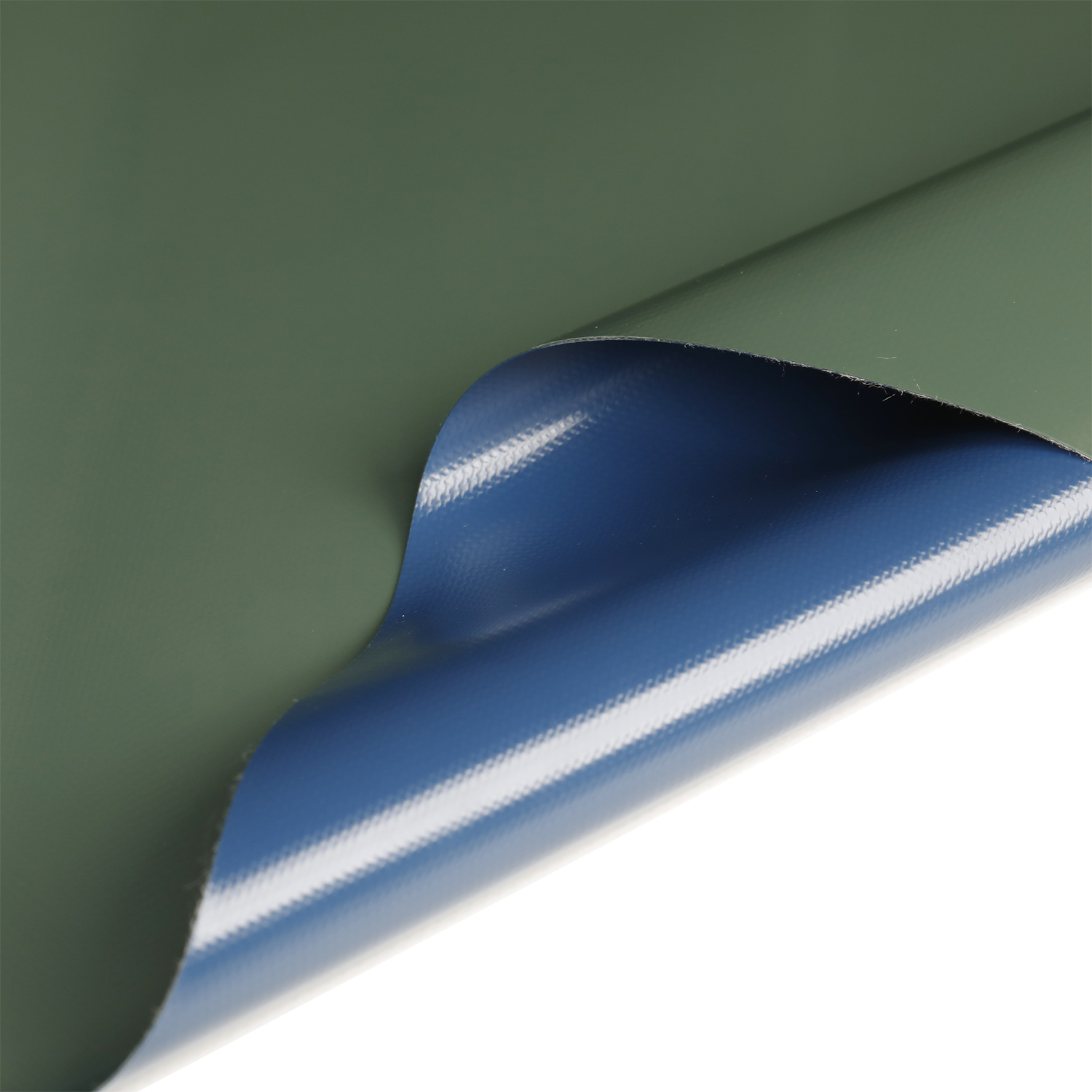
PVC coated tarpaulin combines a strong fabric base with a PVC surface layer. It offers long‑lasting protection for tents, structures, trucks, and temporary outdoor covers.
When you choose the right grade, you gain strong waterproofing, easy cleaning, and better resistance to tearing, bending, and repeated installation on busy sites.
1.1 Core structure and materials
PVC tarpaulin usually uses polyester fabric coated with flexible PVC. This design gives high tensile strength and solid weather resistance for outdoor projects.
- Base fabric: polyester, often 500D–1000D
- Coating: single or double‑sided PVC
- Surface options: glossy, matte, or textured
1.2 Common outdoor applications
Project managers use PVC coated tarpaulin for tents, membrane buildings, truck side curtains, and temporary roofing where quick setup and removal matter.
| Application | Key Need |
|---|---|
| Tent covers | Light weight, strong seams |
| Truck tarps | High tear and abrasion resistance |
| Membrane roofs | High strength, long life |
1.3 Transparent and mesh options
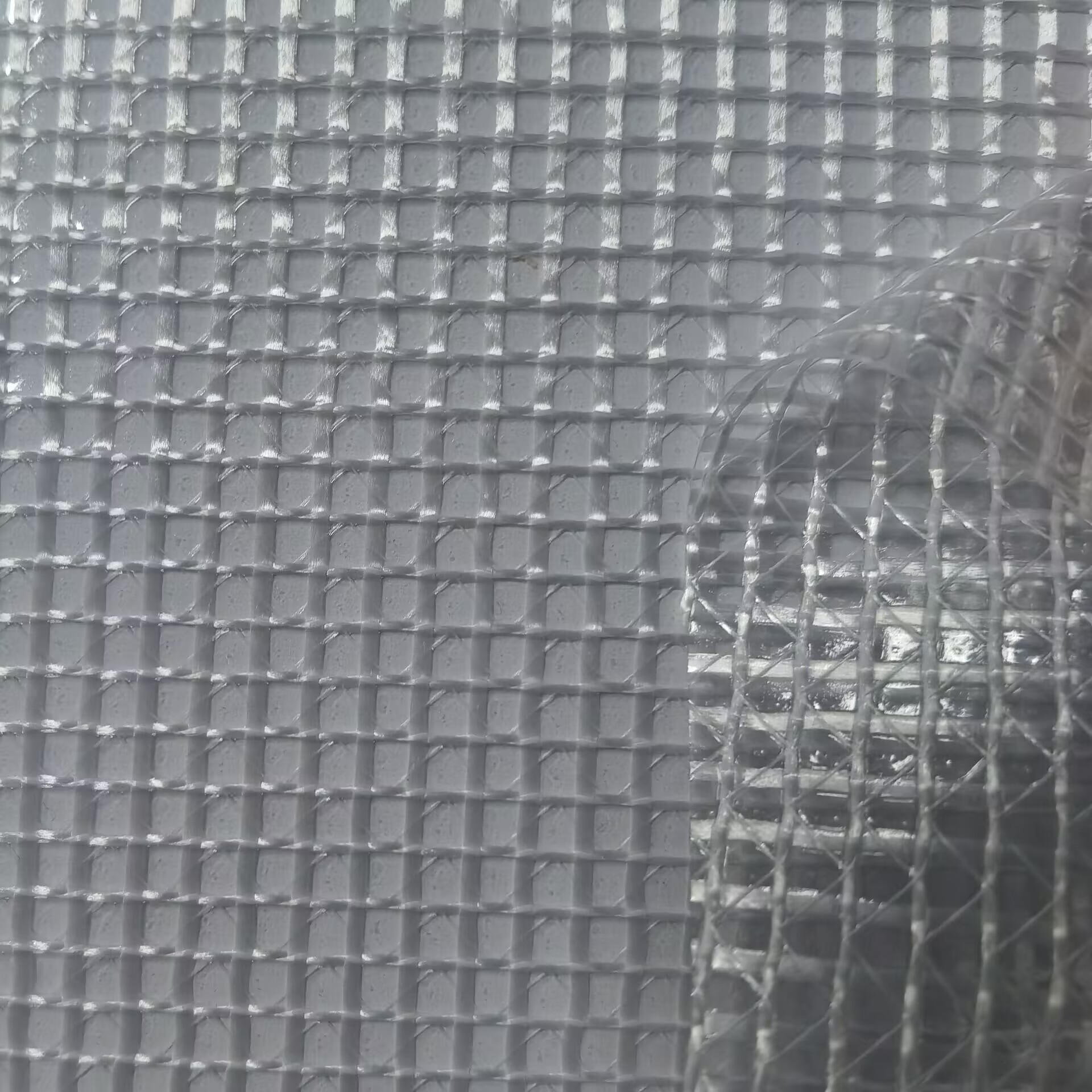
Clear and mesh PVC help when you need both cover and light. They work well for windows, plant rooms, and visual display spaces.
- Full clear films for full light
- Mesh for airflow and partial shade
- Window panels for tents and pavilions
1.4 Matching product to project needs
Always match weight, coating quality, and transparency to each use. For example, Super Transparent PVC Tarpaulin for Plant Room Outdoor Bubble Room suits clear domes and plant shelters.
2. 🌧️ Key weather-resistant features to check before outdoor project application
Outdoor tarpaulins must face rain, sun, wind, and dust. Focus on waterproof grade, UV resistance, and temperature range to keep covers working longer.
Check lab data and real‑site performance together. Good PVC tarpaulin should stay flexible, resist cracking, and keep water out after long exposure.
2.1 Waterproof rating and hydrostatic pressure
Choose tarpaulin with a tested water column value. Higher hydrostatic pressure ratings mean better leak resistance under pooling rain and wind‑driven water.
| Grade | Hydrostatic Pressure (mm) |
|---|---|
| Basic | 800–1000 |
| Standard | 1200–1500 |
| Premium | ≥2000 |
2.2 UV resistance and color stability
Strong sunlight can fade color and weaken fabric. Look for UV‑stabilized PVC and test reports with hours of artificial weathering to compare options.
2.3 Temperature range and flexibility
Outdoor sites may face heat and frost. Confirm the working temperature of each product and check if it stays flexible in cold weather.
2.4 Simple performance comparison with bar chart
You can visualize water, UV, and tear resistance with a quick bar chart during product selection meetings to help teams make faster decisions.
3. 🔥 Evaluating fire resistance, UV stability, and safety standards for tarpaulins
Many public and industrial outdoor projects must follow strict fire and safety rules. Always confirm test standards, certificates, and long‑term UV stability.
3.1 Fire-retardant grades and standards
Ask suppliers for fire‑retardant versions and test reports such as NFPA or DIN. Fire‑retardant PVC can slow flame spread and cut smoke levels.
- Check official test reports
- Confirm local code needs
- Use fire‑retardant fabrics in public areas
3.2 UV stability and life expectancy
UV‑stabilized tarps age slower. Products like 1050gsm PVC Coated Tarpaulin For Membrane Structure offer strong UV resistance for long‑term roofs and tensile structures.
3.3 Safety in crowded and sensitive environments
In stadiums, exhibitions, or schools, safety is vital. Choose low‑toxic, low‑smoke PVC and make sure welding and seams meet load and wind standards.
4. 📏 Choosing the right thickness, weight, and size for your project
The right thickness and weight make installation easier and improve service life. Balance handling needs with the strength required for each project.
Oversized sheets can waste material and raise costs, so plan detailed drawings and cutting layouts before ordering large batches.
4.1 Thickness and GSM selection
GSM (grams per square meter) shows fabric weight. Higher GSM means thicker coating and better durability, but more weight during lifting and setup.
| Use Case | Recommended GSM |
|---|---|
| Light tent walls | 450–650 gsm |
| Truck covers | 650–900 gsm |
| Membrane roofs | 900–1100 gsm |
4.2 Size planning and joint design
Plan panel sizes to reduce seams. Strong welded joints improve waterproofing and wind resistance and save installation time on site.
4.3 Transparent mesh and window panels
For airflow and vision, use mesh or window tarps. China Competitive 3*3 PVC Coated Transparent Mesh Tarpaulin for Tent Windows works well for sidewalls and screened openings.
5. 🏗️ Why many outdoor project managers rely on Yatai Textile PVC tarpaulin
Yatai Textile offers stable quality PVC tarps for different outdoor uses. Their products target long life, strong welding, and good visual performance.
Reliable supply and clear technical data help project teams control risk, plan budgets, and meet client expectations with fewer site problems.
5.1 Stable specifications and testing support
Yatai provides detailed data sheets, including weight, tensile strength, tear strength, and fire tests, helping engineers select the right grade quickly.
5.2 Custom colors, finishes, and transparency
From opaque truck tarps to glass‑like clear films, Yatai supports many colors and finishes to match branding, design, and lighting needs.
5.3 Technical assistance from design to installation
The team can advise on welding methods, finishing details, and correct storage, so tarpaulin systems stay stable throughout the project life cycle.
Conclusion
Choosing PVC coated tarpaulin for outdoor projects means balancing weather resistance, fire safety, and correct weight. Clear performance data helps you protect people and assets.
By working with a proven supplier and matching product grade to real‑world needs, you gain longer service life, lower maintenance, and better overall project results.
Frequently Asked Questions about pvc coated tarpaulin
1. How long does PVC coated tarpaulin last outdoors?
Service life depends on UV exposure, weight, and care, but quality PVC tarps often last 5–10 years in normal outdoor conditions with proper maintenance.
2. Can PVC tarpaulin be repaired on site?
Yes. You can repair holes and tears using hot‑air welding or special PVC repair tape. Clean and dry the area before applying any patch.
3. Is PVC coated tarpaulin fully waterproof?
Good PVC tarpaulin is fully waterproof, but seams and fixing points must be sealed correctly. Poor welding or punctures can still cause leaks.
4. How should I store PVC tarpaulin when not in use?
Clean and dry the tarp, then roll, not fold, to avoid sharp creases. Store in a cool, shaded, and ventilated place away from chemicals.
5. What is the difference between PVC tarpaulin and PE tarpaulin?
PVC tarpaulin is heavier, stronger, and more durable with better weldability and appearance. PE tarpaulin is lighter and cheaper but usually has a shorter life.


 Privacy settings