


Selecting the right pvc coated fabric can significantly impact the performance and longevity of your products, whether they are used in construction, transportation, architecture, or outdoor equipment. This extensive guide aims to help you navigate the complexities of choosing the right PVC coated fabric by delving into crucial factors and considerations. Whether you're sourcing from a PVC coated fabric manufacturer, wholesale supplier, or PVC coated fabric factory, making informed decisions will ensure you meet your specific needs.
Understanding PVC Coated Fabrics
● Definition and Composition
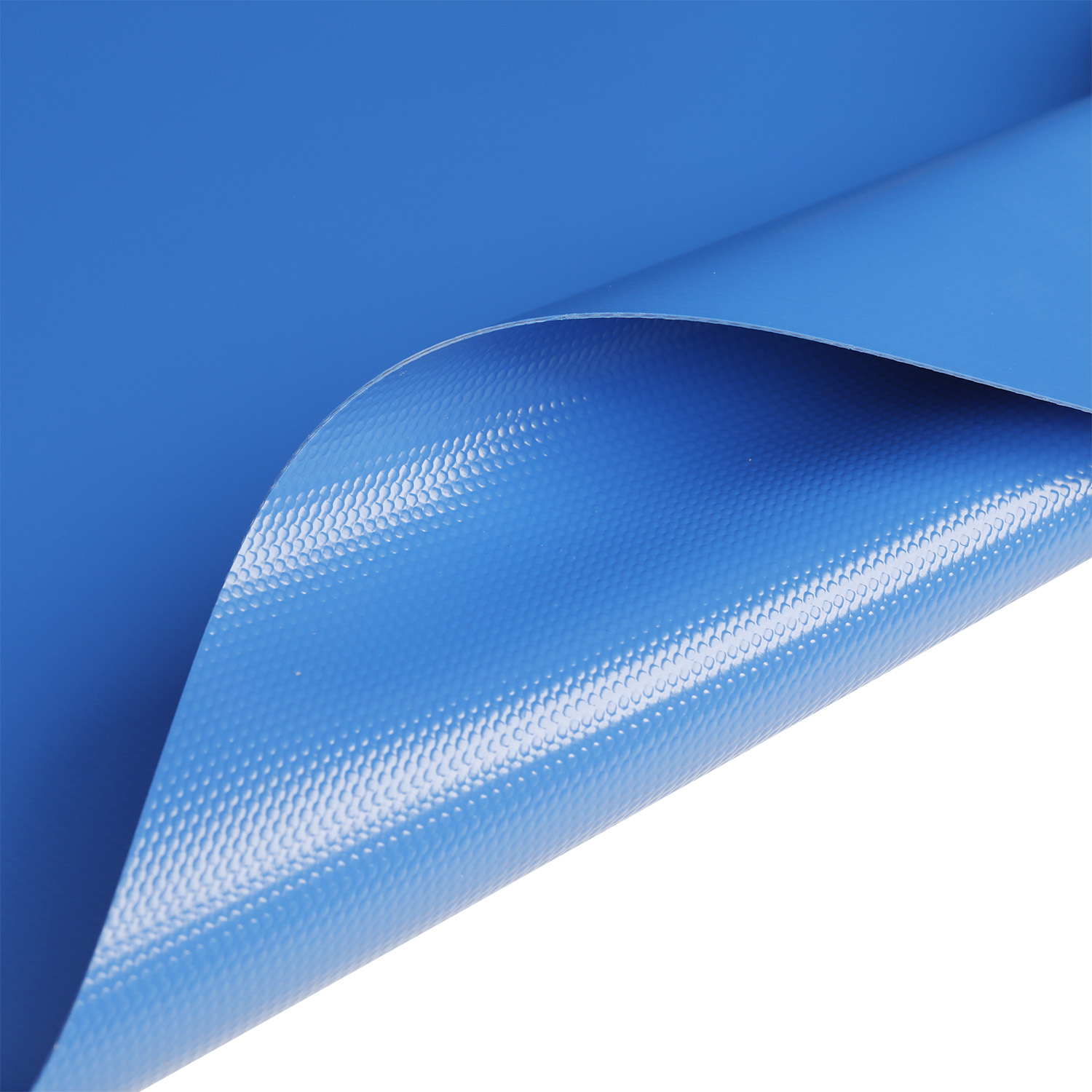
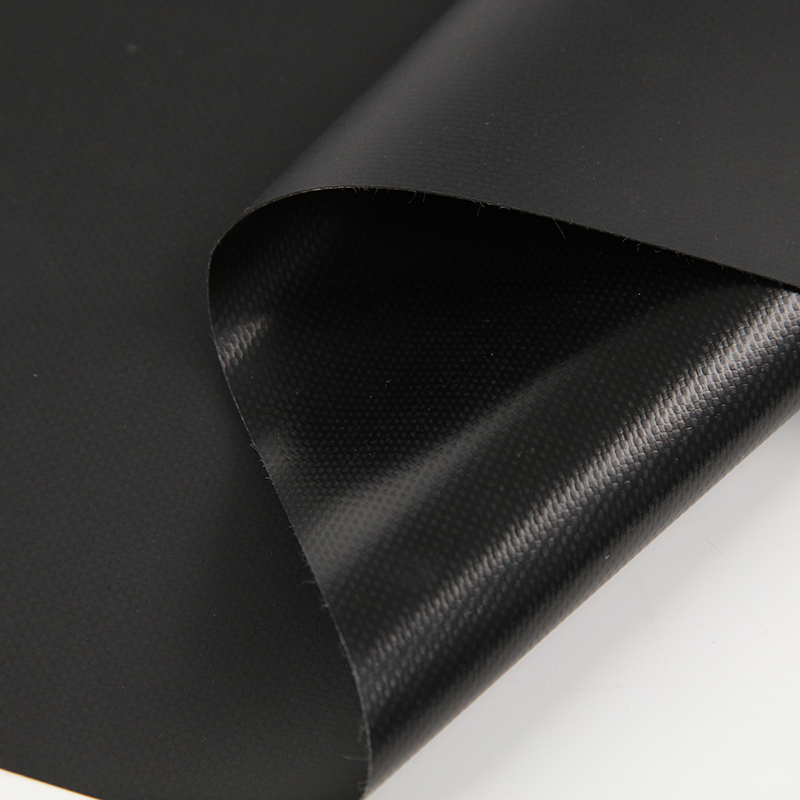
PVC coated fabric refers to a base fabric that has been coated with a layer of polyvinyl chloride (PVC), enhancing its durability, flexibility, and resistance to various environmental factors. Typically, the base fabric is made from polyester or nylon, which is then laminated with PVC resin to create a fabric suited for diverse applications. These fabrics are favored for their robustness and waterproofing capabilities, making them ideal for a wide range of industries and uses, from automotive to marine and outdoor gear manufacturing.
● Common Applications and Uses
The versatility of PVC coated fabrics allows them to be used in numerous applications. Whether it's for automotive seat covers, marine equipment, or outdoor tarpaulins, their protective qualities are invaluable. In construction, these fabrics are employed as protective covers and signage, while in outdoor gear, they are used for creating durable bags, backpacks, and inflatable structures. Understanding these applications can help in selecting the right type of PVC coated fabric for your specific needs.
Factors to Consider When Choosing PVC Coated Fabrics
● Temperature Resistance
One of the primary considerations when selecting a PVC coated fabric is its ability to withstand different temperature ranges. This is especially important for outdoor applications where the fabric will be exposed to varied climatic conditions. Fabrics that offer high temperature resistance ensure that the material retains its structural integrity and performance characteristics even in extreme weather conditions.
● Chemical Resistance
In industries where exposure to chemicals is common, selecting a PVC coated fabric with high chemical resistance is crucial. This ensures that the fabric does not degrade or lose its properties when in contact with certain chemicals. Understanding the types of chemicals the fabric will be exposed to will guide you in choosing the most suitable material for your application.
● Durability and Longevity
The durability of PVC coated fabrics is a significant factor, particularly for applications involving heavy use or exposure to harsh environments. A durable fabric will resist tearing, abrasion, and punctures, thereby ensuring a longer lifespan. When assessing durability, consider the fabric's tensile strength and resistance to physical damage, which are indicators of its ability to withstand rigorous use.
Evaluating Environmental Conditions
● Effects of Extreme Cold and Heat
PVC coated fabrics must maintain their performance in varying temperature conditions. Extreme cold can make some fabrics brittle, while excessive heat can lead to softening or warping. It's essential to choose a fabric that can withstand the temperature fluctuations it will encounter in its intended environment.
● Impact of Humidity and UV Exposure
Humidity and UV exposure can significantly impact the longevity of PVC coated fabrics. High humidity may compromise the adhesive properties of the coating, while prolonged UV exposure can cause fading and degradation. Selecting a fabric with UV stabilizers and waterproofing can mitigate these effects, ensuring durability and maintaining the fabric's aesthetic appeal over time.
● Assessing Chemical Resistance Needs
● Types of Chemicals and Interactions
Different types of PVC coated fabrics offer varying levels of resistance to chemicals. Understanding the specific chemicals your fabric will be exposed to, such as oils, acids, or solvents, is crucial in selecting a material that can resist these substances without degrading.
● Importance of Chemical Resistance in Specific Industries
Industries such as chemical processing, pharmaceuticals, and food processing require fabrics that can withstand chemical exposure. Choosing a fabric with high chemical resistance ensures safety and prevents contamination, making it paramount for these sectors to select the right PVC coated fabric.
Importance of Fabric Durability
● Wear and Tear Over Time
The ability of a fabric to resist wear and tear over time is a key indicator of its durability. For applications that involve frequent handling or exposure to harsh conditions, selecting a fabric with proven durability characteristics will ensure it remains functional and visually appealing over time.
● How to Determine Fabric Strength
Fabric strength is often measured by its tensile and tear resistance. Evaluating these metrics can help in selecting a fabric that meets the demands of your application. It's important to collaborate with your PVC coated fabric supplier or manufacturer to understand the strength ratings of the fabrics they offer.
Versatility and Multi-Purpose Use
● Adaptability to Different Applications
PVC coated fabrics are inherently versatile, making them suitable for multiple applications. Whether you need a material for waterproof covers, protective clothing, or inflatable structures, their adaptability allows them to be tailored to meet diverse functional requirements.
● Advantages of Multipurpose Membranes
Using multipurpose membranes can streamline the sourcing process and reduce costs. These fabrics can be utilized across various projects, offering flexibility and convenience. When selecting a multipurpose fabric, ensure that it meets all necessary characteristics for its intended applications.
Cost Considerations and Budgeting
● Balancing Quality and Affordability
Balancing quality and affordability is an essential aspect of selecting PVC coated fabrics. High-quality fabrics often come at a premium, but they may offer better durability and performance. It's important to evaluate the long-term cost-effectiveness of the fabric, considering factors such as longevity and maintenance costs.
● Long-Term Cost-Effectiveness
Investing in a high-quality PVC coated fabric may lead to cost savings over time through reduced maintenance and replacement costs. Assessing the fabric's performance in real-world applications can help determine its value and make a more informed purchasing decision.
Aesthetic and Design Considerations
● Color and Texture Options
The aesthetic appeal of PVC coated fabrics can be enhanced by selecting the right color and texture options. These choices can significantly impact the visual appeal of the end product, particularly in fashion and luxury applications. A wide variety of design options allows for customization to match brand identity and customer preferences.
● Customization Possibilities for Branding
Customization possibilities, such as printing, embossing, or adding unique textures, can differentiate your products from competitors. Collaborating with your PVC coated fabric manufacturer or supplier can open up opportunities for tailored solutions that meet specific branding requirements.
Quality Standards and Certifications
● Industry Standards for PVC Coated Fabrics
Adhering to industry standards and certifications is crucial in ensuring the quality and reliability of PVC coated fabrics. These standards provide guidelines for fabric performance, safety, and environmental impact. Familiarity with standards such as ISO or REACH can help ensure that the fabric meets necessary quality benchmarks.
● Importance of Certifications for Safety and Quality Assurance
Certifications from reputable organizations can serve as a testament to the safety and quality of the PVC coated fabric. They assure customers that the fabric meets specific criteria related to health, safety, and performance. Working with a certified PVC coated fabric supplier or factory ensures peace of mind and confidence in your purchase.
Finding the Right Supplier or Manufacturer
● Key Questions to Ask Potential Suppliers
When choosing a PVC coated fabric supplier or manufacturer, it's important to ask key questions about their production processes, quality control measures, and ability to meet your specific needs. Questions about lead times, customization options, and past performance can help evaluate their suitability as a partner.
● Importance of Reliable and Experienced Suppliers
Working with reliable and experienced suppliers can greatly impact the quality and consistency of the PVC coated fabric you receive. Established suppliers with a proven track record are often better equipped to handle complex requirements and deliver high-quality products on time.
Conclusion
In conclusion, selecting the right PVC coated fabric involves understanding the composition, applications, and performance requirements of the material. By considering factors such as temperature and chemical resistance, durability, cost, and aesthetics, you can choose a fabric that meets your specific needs. Collaborating with experienced manufacturers and suppliers ensures that you receive high-quality, reliable materials.
● Yatai Textile: A Leader in PVC Coated Fabrics
Yatai Textile excels in developing and manufacturing innovative composite PVC coated fabric for applications in construction, transportation, architecture, and outdoor equipment. Covering a production area of 50,000 square meters, Yatai Textile boasts advanced equipment and a skilled workforce dedicated to quality. With a focus on premium craftsmanship and a global reach, Yatai Textile leads the industry with its commitment to excellence and innovation in technical textiles.




 Privacy settings