


Introduction to pvc coated fabrics
● What is PVC Coated Fabric?
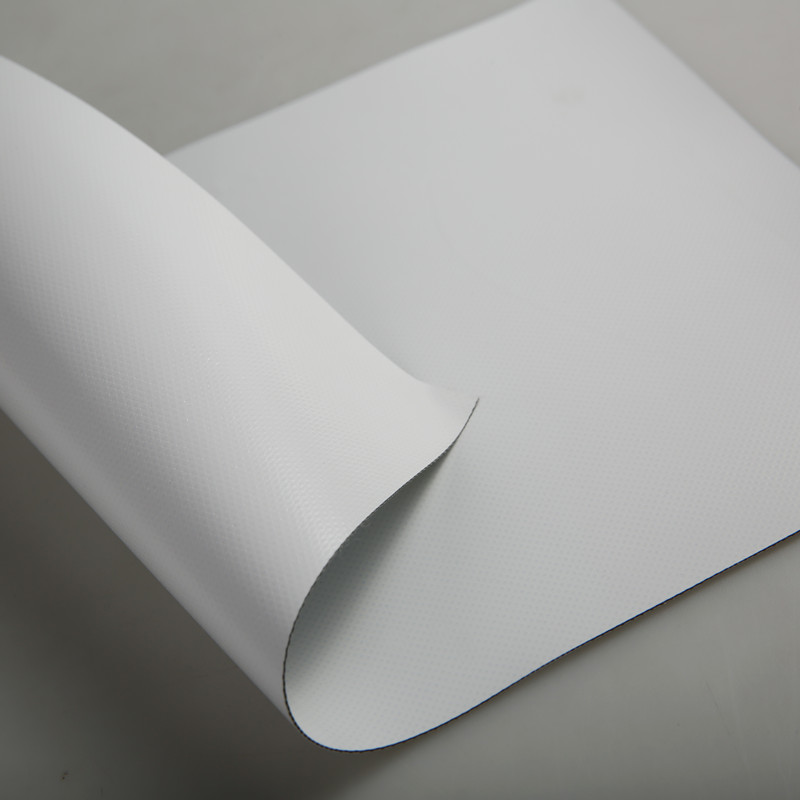
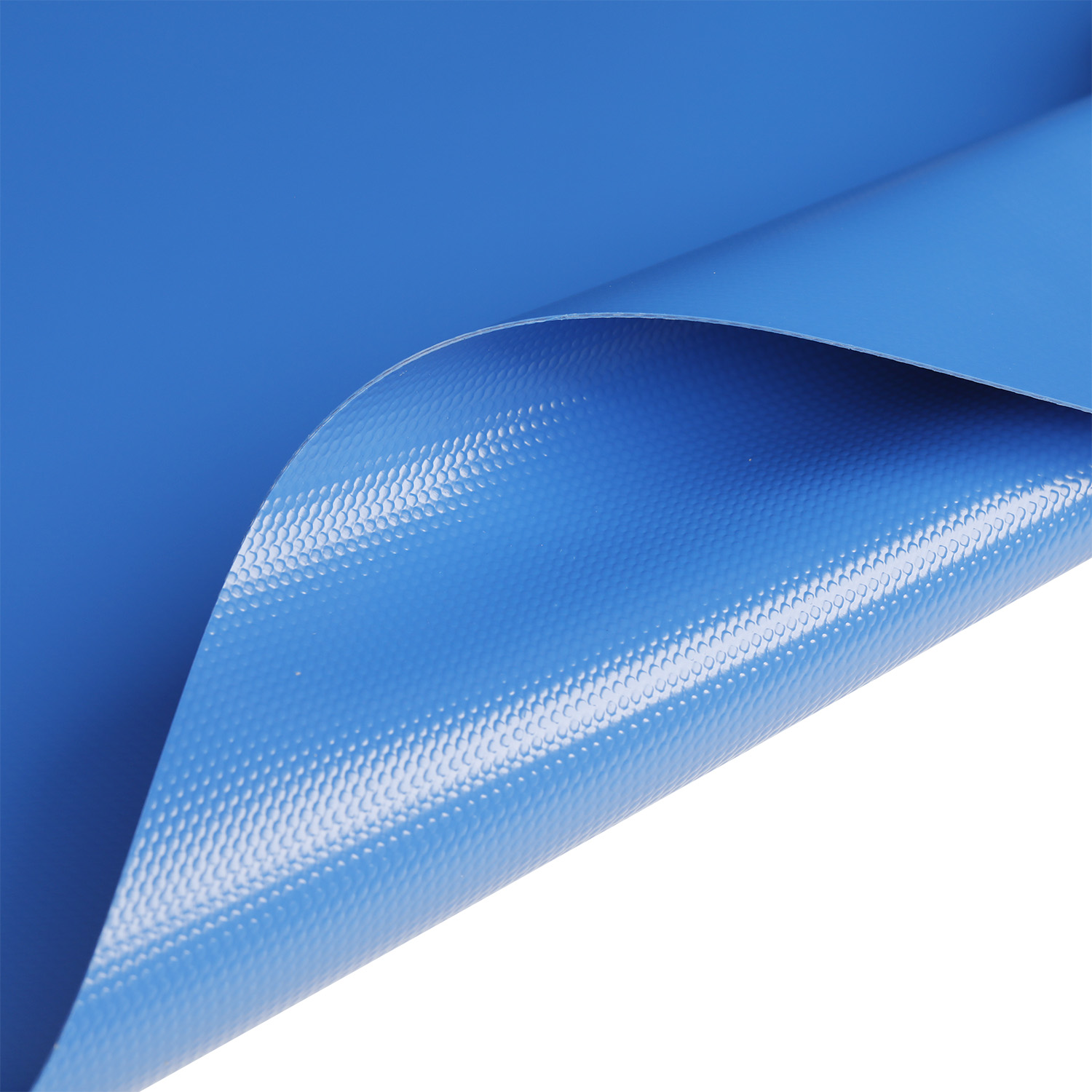
PVC coated fabric is a versatile and durable textile that combines the strength of woven fabric with the protective properties of PVC (polyvinyl chloride). The PVC coating provides the fabric with enhanced resistance to water, chemicals, and UV exposure, making it suitable for various industrial applications. This material is favored for its ability to withstand harsh environmental conditions while maintaining flexibility and ease of use. PVC coated fabric is widely used in many sectors due to its adaptability and cost-effectiveness, making it a material of choice for industries seeking longevity and performance.
● Manufacturing Process
The manufacturing process of PVC coated fabric involves several stages. Initially, a base fabric, usually made of polyester or nylon, is prepared. The fabric is then coated with a layer of PVC, either by liquid coating or by passing the fabric through a PVC film in a process called lamination. This coating is adhered to the fabric using heat and pressure, ensuring a robust bond. The thickness of the PVC layer can be adjusted depending on the intended use of the fabric, allowing manufacturers to tailor the properties of the material to specific industrial needs.
● Key Properties and Benefits
PVC coated fabrics are renowned for their exceptional durability, water resistance, and resistance to chemicals and UV radiation. These properties make them ideal for outdoor and industrial applications. The material is also easy to clean and maintain, which reduces overall operational costs. Additionally, PVC coated fabrics are available in a wide range of colors and finishes, allowing for customization and aesthetic appeal in various applications. The versatility and robust performance of PVC coated fabric make it a preferred choice for industries that require reliable and long-lasting materials.
Applications in Transportation and Logistics
● Truck and Trailer Covers
One of the primary industrial uses of PVC coated fabric is in the transportation sector, particularly for truck and trailer covers. These covers are essential for protecting goods during transit from adverse weather conditions and potential contaminants. The waterproof properties of PVC coated fabric ensure that cargo remains dry, while its durability provides resistance to wear and tear during transportation. Additionally, the fabric's flexibility allows for easy installation and removal, making it a practical solution for logistics companies.
● Cargo Handling Solutions
PVC coated fabric is also utilized in various cargo handling solutions, including tarpaulins and protective sheeting. These applications benefit from the fabric's ability to withstand heavy loads and resist abrasion, ensuring that goods are securely covered and protected. The fabric's chemical resistance is particularly advantageous in environments where exposure to oils, solvents, or other corrosive substances is a concern. By providing a reliable barrier against these elements, PVC coated fabric helps maintain the integrity of cargo throughout the supply chain.
● Benefits in Transportation Safety
In addition to its protective properties, PVC coated fabric contributes to transportation safety. Reflective and high-visibility coatings can be applied to the fabric to enhance the visibility of vehicles and cargo on the road, reducing the risk of accidents. Moreover, the fabric's fire-retardant capabilities add an extra layer of safety, protecting both goods and personnel in the event of a fire. These attributes make PVC coated fabric a crucial component in the transportation industry's efforts to enhance safety and efficiency.
PVC Coated Fabrics in Construction
● Temporary Shelters and Tarps
In the construction industry, PVC coated fabric is frequently used for temporary shelters and tarps. These structures provide essential protection from the elements for both workers and equipment on construction sites. The fabric's waterproof and UV-resistant properties ensure long-term performance even in harsh weather conditions. Additionally, its ease of deployment and removal makes it an efficient option for temporary applications, allowing construction projects to proceed without delays due to weather disruptions.
● Weatherproofing Solutions
PVC coated fabric serves as an effective weatherproofing solution for construction projects. It is often used to cover unfinished buildings and protect interior spaces from moisture and debris. The fabric's robust performance and ability to form airtight seals contribute to preserving the integrity of construction materials and systems, reducing the risk of damage and ensuring that projects stay on schedule. With the ability to customize the fabric's thickness and coating, manufacturers can provide tailored solutions for specific construction needs.
● Customizable Building Applications
PVC coated fabric's adaptability extends to customizable building applications. Architectural membranes made from this fabric are increasingly popular in creating innovative designs for roofs, canopies, and facades. The fabric's lightweight and flexible nature allow architects to explore unique shapes and structures that would be challenging with traditional building materials. Moreover, the wide range of available colors and finishes provides aesthetic versatility, enabling designers to achieve visually striking results without compromising on performance.
Role in Agriculture
● Protective Covers for Crops
In the agricultural sector, PVC coated fabric plays a vital role in protecting crops. The fabric is used to create covers and mulches that shield plants from extreme weather conditions, pests, and diseases. By regulating temperature and humidity levels, these covers enhance crop yields and contribute to sustainable farming practices. The fabric's durability and resistance to chemicals ensure that it withstands repeated use, providing a cost-effective solution for farmers seeking to optimize their crop production.
● Durable Fabric for Greenhouses
Greenhouses benefit significantly from the use of PVC coated fabric. The fabric is used to construct greenhouse covers that offer superior UV protection and insulation, promoting healthy plant growth. Its resistance to moisture and chemicals ensures that the greenhouse environment remains controlled and free from harmful contaminants. Additionally, the fabric's transparency can be adjusted to provide the ideal light conditions for different crops, making it an essential component in modern horticulture.
● Livestock Shelter Solutions
PVC coated fabric is also instrumental in creating shelters for livestock. These shelters provide protection from adverse weather conditions, ensuring the well-being and productivity of animals. The fabric's waterproof and tear-resistant properties make it suitable for robust and long-lasting structures that withstand the rigors of farm life. Furthermore, the material's ease of cleaning and maintenance helps maintain hygienic conditions, reducing the risk of disease transmission among livestock.
Usage in the Military and Defense Sectors
● Camouflage and Concealment Nets
PVC coated fabric is an essential material in the military and defense sectors for camouflage and concealment applications. The fabric is used to create nets and covers that blend with natural environments, providing effective concealment for personnel and equipment. Its durability and resistance to environmental stressors ensure reliable performance in diverse terrains and climates. Additionally, the fabric's ability to incorporate infrared and radar-deflecting properties enhances its effectiveness in modern warfare scenarios.
● Shelter and Tent Applications
The military relies on PVC coated fabric for deployable shelters and tents. These structures offer rapid deployment capabilities and withstand harsh environmental conditions, making them ideal for field operations. The fabric's waterproof, fire-retardant, and UV-resistant properties ensure the safety and comfort of personnel in various settings. Moreover, the lightweight nature of PVC coated fabric facilitates easy transport and storage, crucial for military logistics.
● Protective Gear and Equipment Covers
PVC coated fabric is also used in the manufacture of protective gear and equipment covers for the military. The fabric provides a barrier against chemical agents, abrasions, and environmental conditions, ensuring the integrity and functionality of equipment. Its ability to incorporate additional protective coatings makes it suitable for specialized applications, such as bomb disposal suits and chemical warfare protection. These attributes make PVC coated fabric a critical component in enhancing the safety and effectiveness of military operations.
Awning and Canopy Industries
● Weather-Resistant Awnings
The awning industry benefits significantly from PVC coated fabric's weather-resistant properties. These fabrics are used to create awnings that provide shelter from rain and harsh sunlight, enhancing the comfort and usability of outdoor spaces. The fabric's durability ensures that awnings maintain their appearance and functionality over time, even with prolonged exposure to the elements. Additionally, the availability of vibrant colors and patterns allows for customized designs that complement the aesthetic of any space.
● Customizable Canopy Designs
PVC coated fabric enables the creation of customizable canopy designs for various applications. From outdoor events to permanent installations, these canopies offer a versatile and attractive solution for shade and weather protection. The fabric's flexibility and strength allow for intricate and eye-catching designs that elevate the aesthetic appeal of any setting. With the ability to tailor canopies to specific size and shape requirements, PVC coated fabric supports creative expression in the design of outdoor environments.
● Market Trends and Innovations
The market for PVC coated fabric in the awning and canopy industries is continuously evolving, driven by innovations in fabric technology. Advances in coatings and finishes have expanded the range of applications and improved the performance of PVC coated fabrics. Modern developments include antimicrobial treatments, enhanced UV resistance, and sustainability-focused innovations, such as biodegradable coatings. These trends reflect the growing demand for high-performance and environmentally friendly solutions in the awning and canopy industries.
Signage and Advertising Innovations
● Durable Billboards and Banners
PVC coated fabric is a staple material in the signage and advertising industries due to its durability and printability. The fabric is used to create billboards and banners that deliver high-impact visuals while withstanding outdoor exposure. Its resistance to fading, tearing, and weather conditions ensures that advertisements remain vibrant and effective over time. The fabric's ease of installation and removal also makes it a convenient choice for temporary and event-specific advertising campaigns.
● Custom Print Solutions
The customizable nature of PVC coated fabric supports a wide range of print solutions for advertising. The fabric can accommodate high-quality digital printing, enabling the reproduction of intricate designs and vibrant colors. Businesses can leverage this capability to create bespoke advertising materials that align with their branding and marketing strategies. Additionally, the fabric's versatility in size and shape allows for creative displays that capture the attention of target audiences.
● Cost-Effectiveness in Advertising
PVC coated fabric offers cost-effective solutions for signage and advertising needs. Its long lifespan and low maintenance requirements translate to reduced costs for businesses over the life of an advertising campaign. Furthermore, the material's adaptability allows for the reuse of signage structures in multiple locations and events, maximizing the return on investment. This cost efficiency, combined with the fabric's high-performance attributes, makes it an attractive choice for companies seeking impactful and economical advertising solutions.
Marine and Nautical Applications
● Boat Covers and Protective Tarps
In the marine industry, PVC coated fabric is essential for boat covers and protective tarps. These applications require materials that can withstand saltwater exposure, UV rays, and the mechanical stress of marine environments. PVC coated fabric meets these demands with its exceptional durability and resistance to environmental stressors. The fabric's waterproof nature ensures that boats and equipment remain dry and protected, while its flexibility allows for easy handling and customization to fit various vessel types.
● Enhancing Marine Equipment Longevity
Marine equipment and structures benefit from the use of PVC coated fabric, which enhances their longevity and performance. The fabric is used in the construction of inflatable boats, life rafts, and other safety equipment, where its strength and waterproof properties are crucial. By extending the lifespan of these products, PVC coated fabric contributes to cost savings and improved safety standards in the marine industry. Additionally, the fabric's resistance to mold and mildew growth further preserves the quality of marine equipment.
● Advantages Over Traditional Materials
PVC coated fabric offers several advantages over traditional materials used in marine applications, such as canvas or rubber. Its superior resistance to environmental factors and ease of maintenance provide a long-term solution that outperforms conventional alternatives. The fabric's lightweight nature also reduces the overall weight of marine equipment, contributing to fuel efficiency and ease of handling. These benefits make PVC coated fabric a preferred choice for boat manufacturers and marine operators seeking reliable and high-performance materials.
Environmental and Sustainability Considerations
● Recyclability of PVC Fabrics
The recyclability of PVC coated fabric is an important consideration in today's environmentally conscious landscape. Manufacturers are increasingly developing processes to recycle PVC products, reducing waste and promoting sustainability. By recovering and reusing PVC materials, the environmental impact of production and disposal is minimized. This focus on recyclability aligns with global efforts to reduce the carbon footprint and supports the circular economy model, where resources are continuously repurposed.
● Impact on Environmental Footprint
PVC coated fabric manufacturers are also exploring ways to reduce the environmental footprint of their products throughout the production process. Innovations such as energy-efficient manufacturing techniques and the use of eco-friendly additives contribute to minimizing the ecological impact of PVC coated fabrics. These advancements reflect the industry's commitment to sustainable practices and the development of materials that balance performance with environmental responsibility.
● Developments in Eco-Friendly PVC Solutions
The development of eco-friendly PVC solutions is a growing trend in the coated fabric industry. Manufacturers are introducing biodegradable coatings and non-toxic plasticizers to enhance the sustainability of PVC fabrics. These innovations address environmental concerns while maintaining the high-performance characteristics of traditional PVC coated fabrics. As demand for sustainable materials increases, these developments position PVC fabric manufacturers at the forefront of responsible industry practices.
Future Trends and Innovations in PVC Fabrics
● Advances in Fabric Technology
The future of PVC coated fabric is shaped by advances in fabric technology that enhance its performance and broaden its applications. Research and development efforts are focused on creating fabrics with improved strength, flexibility, and resistance to environmental stressors. Innovations such as smart fabrics that incorporate sensors and conductive materials are also on the horizon, offering new possibilities for integration in various industries.
● Emerging Industrial Applications
Emerging industrial applications for PVC coated fabrics are expanding beyond traditional sectors, driven by technological advancements and evolving market demands. The healthcare industry is exploring the use of PVC coated fabrics in medical devices and protective gear, while the automotive industry is investigating applications in vehicle interiors and components. These explorations demonstrate the versatility of PVC coated fabric and its potential to support innovation across diverse fields.
● Future Prospects and Industry Growth
The prospects for PVC coated fabric are promising, with continued growth anticipated in both existing and emerging markets. The fabric's adaptability and performance characteristics position it as a material of choice for industries seeking reliable and cost-effective solutions. As sustainability and technology continue to influence industrial practices, PVC coated fabric manufacturers have the opportunity to lead the way in developing innovative materials that meet future demands.
Conclusion
PVC coated fabric has proven itself as a versatile and indispensable material across a wide range of industrial applications. From transportation and construction to agriculture and defense, its durability, flexibility, and resistance to environmental stressors make it an ideal choice for industries that require high-performance materials. The ongoing advancements in fabric technology and sustainability efforts further enhance the appeal of PVC coated fabric, ensuring its relevance and utility in the future.
● Yatai Textile
Yatai Textile develops and manufactures innovative composite PVC coated fabric for construction, transportation, architecture, and outdoor equipment applications. Covering a production area of 50,000 square meters, Yatai Textile boasts advanced production facilities, including PVC knife coating, calendaring, and laminating lines. With a team of 300 dedicated professionals and state-of-the-art equipment from Germany and South Korea, Yatai Textile delivers high-quality fabrics worldwide. As a globally recognized leader in technical textiles, Yatai Textile continues to innovate and provide superior PVC coated fabric solutions for diverse industrial needs.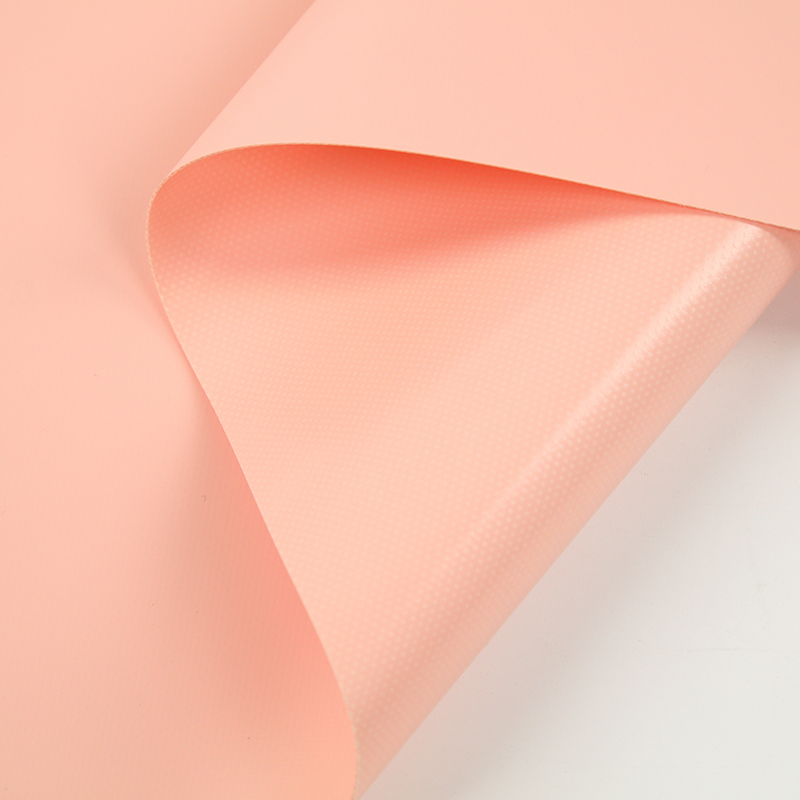


 Privacy settings