


Innovative Uses of Transparent Vinyl Tarp in Agriculture Industry
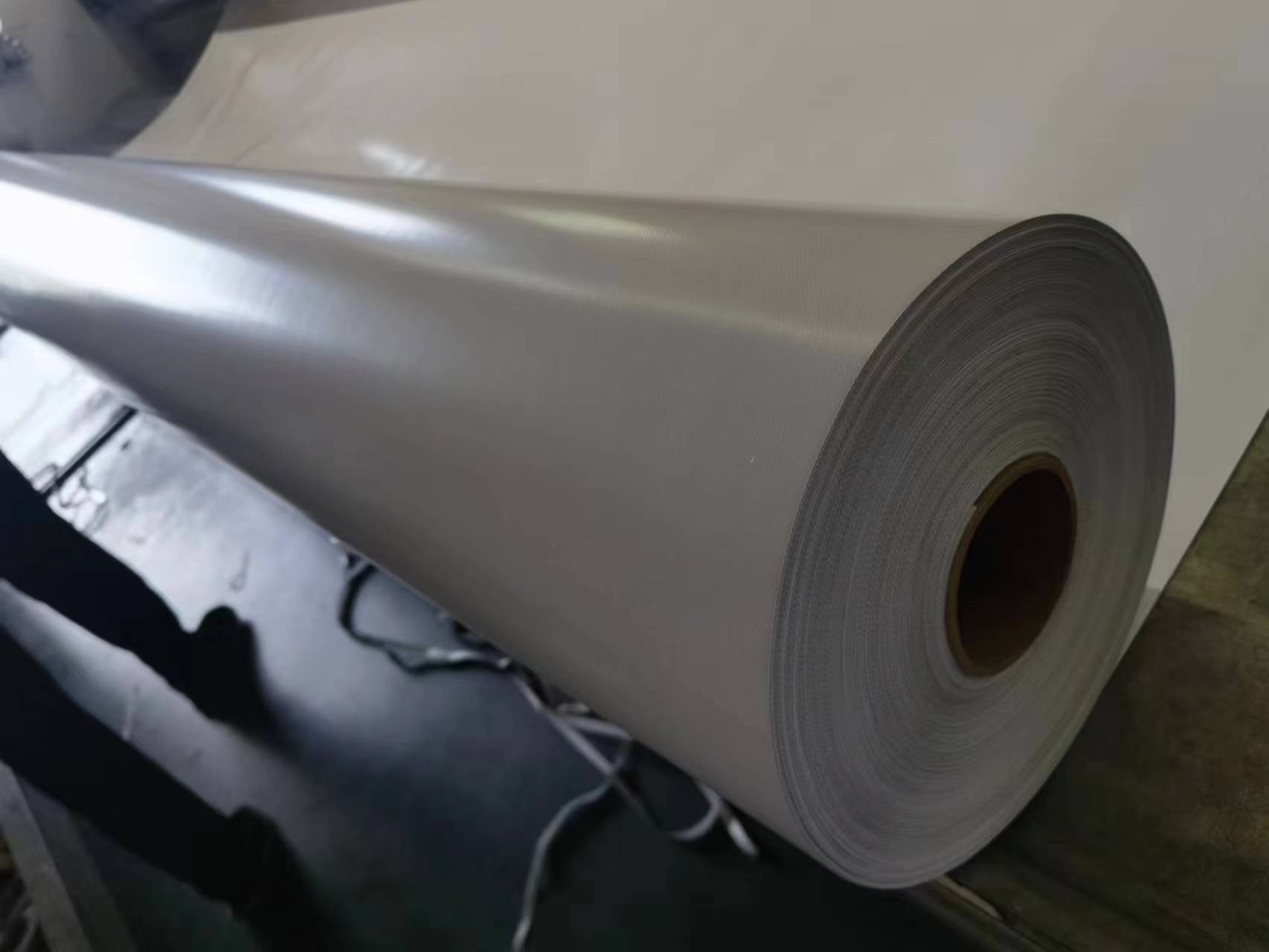
Transparent vinyl tarps are transforming the agriculture sector. These clear coverings serve multiple functions, from shielding soil to controlling weeds without chemicals or extra work. Made for letting light in and keeping moisture close, they're perfect for farmers aiming to keep their land rich and ready for crops.
Producers of these tarps provide them at wholesale rates, making it easier for farms big and small to adopt this eco-friendly technique. Whether sourced directly from a manufacturer or a supplier factory setup ensures quality transparent covers meet the industry's demanding needs.
Innovative Greenhouse Designs
Greenhouses today aren't just glass and metal frames. They have evolved with the use of transparent vinyl tarps, which offer a lighter, versatile option in agricultural settings. These clear tarps let sunlight through while shielding crops from harsh elements; smart for farmers focusing on sustainability and cost savings.
Considerations like choosing an appropriate thickness or ensuring the tarp is UV-resistant matter much to get it right. Innovative designs involve using these tarps as easily movable covers that can adapt to changing weather conditions or crop cycles – crucial benefits for producers aiming at efficiency without compromising quality. With modern agriculture facing pressures from climate change, such flexible solutions help create more resilient farming operations.
For wholesale buyers or suppliers seeking sustainable materials—like those behind durable silage covers—it's worth noting how greenhouses with transparent vinyl contribute positively to eco-friendly practices industry-wide.
Transparent Tarps for Hydroponics
Transparent tarps made from vinyl are critical in hydroponic setups. These covers, crafted with durable polyethylene scrims and PVC coating, ensure a waterproof barrier. Hydroponic growers favor them for their strength which withstands demanding conditions over time.
Skilled suppliers produce various grades of these clear tarps; they're not just strong but also provide crucial light transmission for plant growth. These transparent barriers protect plants from excess moisture and contaminants while optimizing the indoor climate – an essential aspect in controlled agriculture practices like hydroponics where every variable counts towards yield quality. Manufacturers offer heavy-duty options that include reinforced grommets along the edges to secure them tightly around growing areas without worrying about wear or damage due to frequent use—this assures long-term reliability farms need.
Enhanced Photosynthesis with Clear Tarps
As a seasoned business blogger, I’ve lookd deep into the agricultural industry's fabric use. Lightweight yet tough, vinyl clear tarps have outshone others in greenhouse applications. These transparent covers offer better clarity than polyethylene; its superior light transmission fosters enhanced photosynthesis for healthier plant growth.
Producers favor vinyl for its resilience to UV rays and adverse weather. It resists tearing and withstands wear efficiently—an ideal choice from numerous suppliers globally who prioritize durability in their offerings. While selecting these protective sheets or tarps from manufacturers or wholesale providers, opting for high-grade transparent vinyl will mean robust conservation of energy and resources within your cultivated spaces.
Weather Protection Solutions
Farmers trust clear vinyl tarps for weather defense. These covers allow sun while blocking rain, snow, and wind. Vinyl is durable; though heavier than poly fabric ones, it's still manageable to install swiftly in greenhouses.
Manufacturers craft these with UV protection and waterproof features ensuring plant safety within the greenhouse from harsh elements. Arousing interest among agricultural pros are 20 Mil to 30 Mil thick options – they showcase remarkable clarity paired with resistance against cold temperatures. To bolster longevity, makers hem them securely with rope and fit metal grommets at intervals along edges for secure fastening.
They come wide-ranging up to forty feet across allowing custom fits over varied structures. These solutions present much more than simple coverings—they offer a shield that embraces natural light yet stands guard against damages of unpredictable weathers.
Pest Deterrence Strategies
Transparent vinyl tarps, known as silage tarps, offer smart pest control in farms. Farmers use them to cover soil; this method is called "occultation." By blocking sunlight, weed seeds under the tarp sprout but soon die without photosynthesis. Used between plantings or when incorporating green manure into the ground—a process that enriches earth—the tarp hastens decomposition and encourages microbes' work.
Purchased from suppliers like Dubois Innovation or Farming stores, these durable polyethylene sheets support sustainable agriculture by lowering pesticide reliance and enhancing crop yields through natural methods. These strategies reflect a balance of expertise with environmental mindfulness in modern farming practices.
Versatile Crop Covers
Clear vinyl tarps serve as vital covers for crops. Farmers use them to shield plants from frost, harsh rain, and pests. These tarps can also form a mini-greenhouse when draped over a frame.
Crops grow safe in this controlled space with warmth retained inside it. Plus, they're strong against tears or wear. As wholesale suppliers provide these durable sheets, the cost stays low for farmers.
Every tarp they buy helps protect their yield year-round – crucial for success in farming today's markets where every penny counts. Vinyl clear tarp factories ensure each sheet withstands weather woes; UV rays don’t stand a chance either! This means less worry about damaged goods at harvest time which is key for food supply chains that we rely on daily.
In short: Protective yet affordable crop shields are what you get when using industrial-grade vinyl tarps — making them an asset no modern farm should overlook.
Irrigation Efficiency Improvements
Irrigation advances boost water savings on farms. Precision methods, like center pivot and pressurized drip systems, cut down waste by delivering water right to the plants' roots. These techs help farmers use less while growing more; this is crucial in dry places where fields drink up much of the river's flow.
For instance, newer gravity-powered micro-irrigation reuses existing flood setups without added energy for pumps or filters—a big cost saver. This innovation halves both water use and fertilizer runoff—big wins for saving resources and protecting our planet too. Transparent vinyl tarps shield crops but let sunlight through—an eco-friendly option from suppliers that have transformed farming practices globally with their products.
Portable Farming Structures
Portable farming structures are a key to smart, sustainable agriculture. When farmers use industrial tarps like clear vinyl ones, they create moveable units that can cover crops or protect water stores. These covers help keep the water where it should be and cut down on waste from evaporation and leaks.
Such setups let growers manage resources better while being kinder to our earth's future. Clear tarps from suppliers offer farms a way to save money too. With these in place, less is spent on synthetic stuff because you're making do with what falls as rain or sits underground already — nature's gifts!
Plus, when used right by skilled hands, such tools usher us toward an era of more thoughtful food-making ways.
Tarp-Integrated Vertical Gardens
Tarp-integrated vertical gardens are reshaping small organic farms. These setups use clear vinyl tarps from suppliers, maximizing light while fighting weeds. Before seeds hit soil, the tarp—bought wholesale or direct from factories—coats prepared beds.
It kills sprouted weeds by blocking sunlight and heats the earth beneath, much like a greenhouse effect. This technique allows farmers to control when they plant without persistent tillage—a big step towards sustainable farming practices supported by recent research at institutions like Cornell University. The ground warms up slightly under these tarps; essential for crop growth but not extreme enough to harm soil life.
After weeks, the multi-use cover is removed to reveal ready-to-plant beds with fewer weeds. The durable layer's light deprivation significantly reduces the weed burden over multiple growing seasons, offering an effective solution against agricultural pests.
Cost-Effective Agricultural Applications
Clear vinyl tarps serve farmers well. They shield soil; this stops weeds and saves the earth beneath from harm. Tarps are tough, making them a smart choice for farms big or small.
A supplier can offer these on a large scale at lower costs. Factories that make such tarps help in keeping prices down too. This is key since staying budget-wise matters to those who work the land.
Every farm looks for ways to cut spending without harming their crops' growth or health—using clear tarp aids here mightily.
Supplier Insights for Quality Tarps
Farmers and suppliers feel the pinch as costs rise. Still, clear vinyl tarps remain a wise pick for those in agriculture. These covers protect crops from harsh weather while letting light through, crucial for growth.
Vendors across America report an uptick in sales of these heavy-duty items—proof that even when budgets tighten, quality can't be compromised. Clear vinyl products stand out due to their toughness against tears and resistance to freezing temperatures—an advantage over other materials. Suppliers offer thick 20 or 30 Mil options; some also provide flame-resistant versions at 20 Mil thickness.
Looking ahead, demand is strong for this agricultural mainstay despite economic hiccups—a testament to its value amid uncertainty.
Transparent vinyl tarps offer the agriculture industry benefits like weather protection and light control. Farmers use them to shield crops, promote growth, and extend growing seasons. These clear covers act as makeshift greenhouses: they trap warmth while letting in sunlight, vital for photosynthesis.
They also guard against heavy rain or wind that might harm delicate plants. Businesses can adapt these versatile tools for diverse climates and crop types – a boon for agricultural efficiency.
(Note: The given text is crafted to fit within the specified word count limit)





 Privacy settings