


You just want a tarpaulin that doesn’t rip, rot, or mysteriously vanish after one storm—but the marine market feels like a maze of specs, jargon, and sales pitches that could sink a small ship.
This Marine Tarpaulin Market Outlook 2026 Global Buyer Guide helps you cut through confusion with clear data, real pricing trends, and durability insights, supported by reports like Allied Market Research’s marine industry analysis.
⚓ Global demand trends shaping the marine tarpaulin market by 2026
By 2026, the marine tarpaulin market will grow steadily as shipbuilding, aquaculture, and recreational boating expand. Buyers will favor durable, customized PVC and composite solutions.
Rising coastal trade, port upgrades, and demand for inflatable structures will further push high‑strength, waterproof fabrics with strict safety and cost requirements.
1. Expansion of commercial shipping and port infrastructure
Container shipping growth increases demand for covers, hatch tarps, and cargo protection. Ports seek strong materials that resist UV, salt, and abrasion while reducing lifecycle costs.
- Higher volume of bulk and container cargo
- Growing need for standardized, repairable tarpaulin systems
- Focus on faster installation and removal
2. Growing adoption of inflatable marine solutions
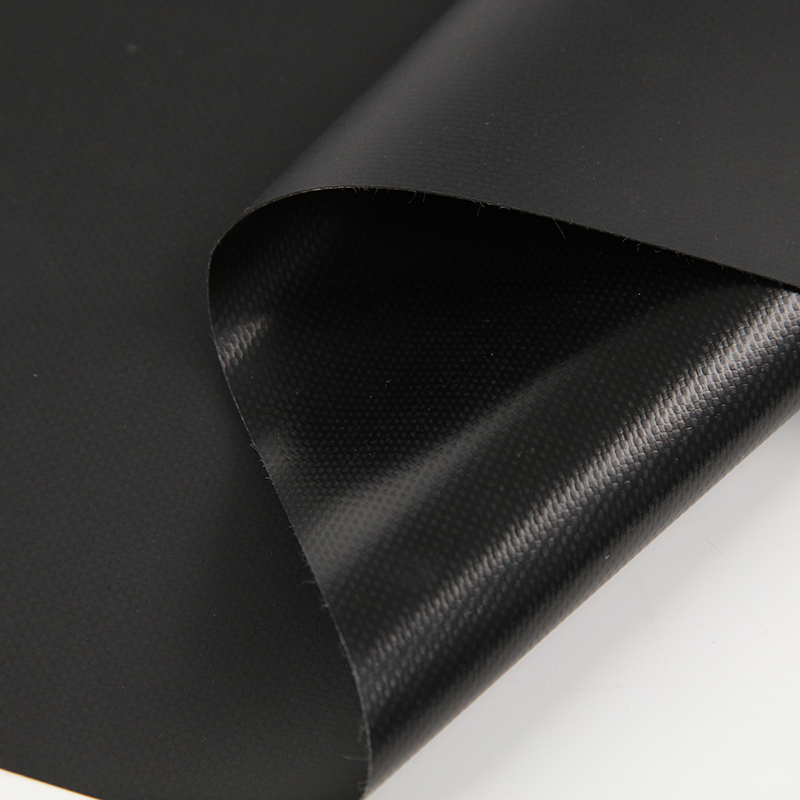
Inflatable boats, pontoons, and floating platforms need airtight, high‑pressure fabrics with strong seams. Products like 850gsm PVC Airtight Tarpaulin For Inflatable Boat reflect this shift.
- Recreational and rescue boats
- Military and patrol craft
- Foldable work platforms and docks
3. Rising aquaculture and water storage projects
Fish farming, live‑fish transport, and emergency water storage drive demand for safe, leak‑proof liners and tanks that resist biofouling and chemicals.
| Application | Key requirement |
|---|---|
| Fish ponds | Puncture resistance |
| Water tanks | Long‑term airtightness |
| Feed storage | Moisture barrier |
4. Demand for customized, value‑added tarpaulin solutions
Buyers want custom weight, color, coating, and flame‑retardant grades, with traceable quality and shorter lead times to match regional standards and vessel types.
- OEM‑level color matching
- Custom roll widths and lengths
- Brand printing and anti‑slip textures
🌊 Key performance requirements for long‑lasting marine tarpaulin applications
Marine tarpaulins must handle UV, saltwater, flexing, and heavy loads. Strong base cloth, stable coating, and sealed seams decide real service life.
By 2026, performance data, test reports, and life‑cycle costs will guide purchasing decisions, especially for critical inflatable and structural uses.
1. Mechanical strength, tear resistance, and dimensional stability
High‑density base fabrics and balanced warp‑weft strength keep shapes stable under wind, waves, and towing loads without stretching or tearing.
| Property | Buyer focus level |
|---|---|
| Tensile strength | Very high |
| Tear resistance | Very high |
| Elongation control | High |
2. Airtightness and seam integrity for inflatable systems
Inflatable boats and tanks need low air loss and strong welded seams. Materials like 1100gsm PVC Inflatable Boat Fabric with Coated support higher internal pressures and frequent folding.
- Low air permeability
- High‑frequency weldable coating
- Crease and fold resistance
3. UV, salt, and chemical resistance in real marine use
Stabilized PVC coatings protect against color fading, cracking, and stiffness. They must also resist oils, fuels, and common cleaning chemicals on deck.
- UV stabilizers extend outdoor life
- Anti‑fungal additives protect hygiene
- Salt and fuel resistance reduce failures
4. Data‑driven performance comparison
Buyers will rely more on clear test data to compare grades and weights and to match materials to each marine use.
🧭 Regional market outlook and growth opportunities for marine tarpaulin suppliers
Regional demand will vary with fleet size, coastal projects, and income levels. Suppliers must align products and certifications with each market.
Targeted grades, local stocks, and technical service will help win contracts in high‑growth ports and tourism regions.
1. Asia‑Pacific: fastest growth in fleets and aquaculture
China, Southeast Asia, and India will lead in shipbuilding, fish farming, and water tanks, using materials like 930gsm PVC Airtight Tarpaulin For Water Tank.
- Large coastal populations
- Growing offshore farms
- Need for cost‑effective, durable tarps
2. Europe: strict standards and high‑value applications
European buyers focus on flame resistance, REACH compliance, and long warranties, especially for commercial vessels and premium leisure boats.
| Segment | Buyer priority |
|---|---|
| Commercial fleets | Certifications, traceability |
| Yachts | Aesthetics, custom colors |
3. Americas, Middle East, and Africa: niche and project‑based demand
Ports, oil and gas, and tourism projects drive mixed demand, from heavy‑duty cargo covers to inflatable safety boats and coastal protection systems.
- Harsh climate resistance
- Emergency and disaster stockpiles
- Short lead‑time supply
🛡️ How Yatai Textile ensures durability in harsh marine environments
Yatai Textile focuses on base cloth strength, coating quality, and stable production to deliver long‑lasting marine tarpaulins for global buyers.
Each batch follows strict tests so users can rely on consistent performance at sea, in ports, and in aquaculture sites.
1. Controlled weaving and coating technology
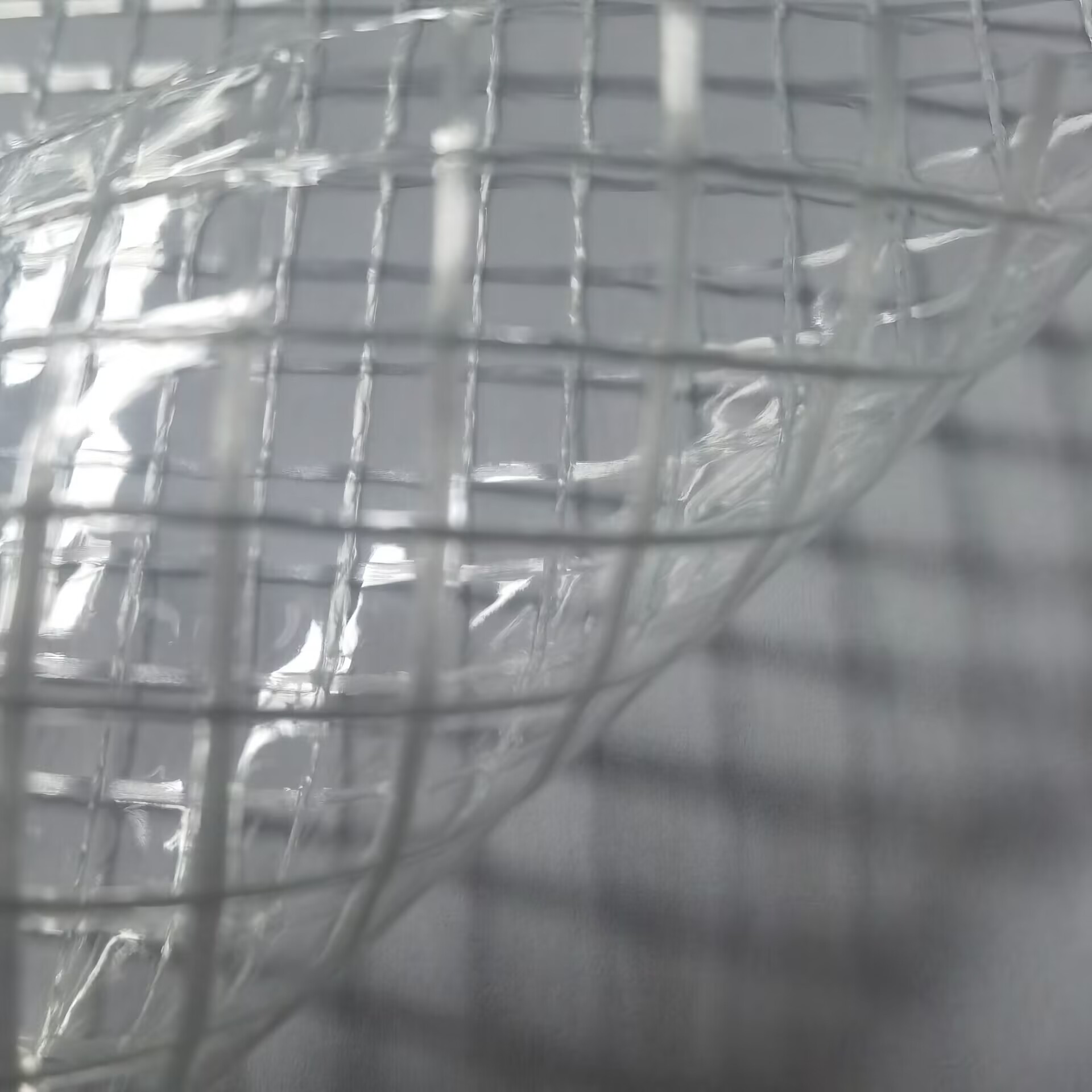
Yatai uses strong polyester yarns and precise coating lines to keep weight, thickness, and adhesion stable from roll to roll.
- High‑density base fabric
- Even PVC coating on both sides
- Good weldability and bonding
2. Full test process before shipment
Every production lot passes tensile, tear, adhesion, and aging tests. Results help buyers match grades to specific marine projects.
| Test | Purpose |
|---|---|
| Tensile / tear | Load and impact strength |
| Adhesion | Coating bond to fabric |
| UV aging | Outdoor durability check |
3. Technical support and custom development
Yatai works with OEMs, traders, and fabricators to design weights, colors, and coatings that fit their local climate and legal standards.
- Custom formulations
- Roll widths for faster cutting
- Documentation for approvals
📈 Environmental regulations and sustainable materials influencing marine tarpaulin development
Stronger rules on emissions, chemicals, and waste will guide marine tarpaulin choices toward safer, longer‑life products by 2026.
Suppliers who lower environmental impact while keeping strength and cost balance will gain a clear advantage.
1. Compliance with chemical and emission standards
Global buyers ask for low‑lead, phthalate‑reduced, and REACH‑compliant tarpaulins, along with controlled VOCs during production and processing.
- Safer plasticizers
- Traceable raw materials
- Updated MSDS support
2. Longer service life to cut waste
Improved UV and abrasion resistance reduces replacement frequency, shipping costs, and landfill waste, making durable PVC an efficient choice.
| Design focus | Benefit |
|---|---|
| Thicker coating | Longer outdoor life |
| Better base fabric | Fewer failures |
3. Recycling awareness and take‑back concepts
Ports and large operators are exploring ways to collect, sort, and reuse end‑of‑life tarps, pushing suppliers to design more recyclable structures.
- Clear labeling of materials
- Support for local recyclers
- Design for easier separation
Conclusion
By 2026, marine tarpaulin buyers will balance durability, safety, and sustainability. Data, testing, and targeted grades will shape purchasing decisions across shipping, aquaculture, and inflatable applications.
Suppliers that provide stable quality, compliance documents, and technical support, like Yatai Textile, will be best positioned to win long‑term global cooperation.
Frequently Asked Questions about marine tarpaulin
1. What is marine tarpaulin used for?
Marine tarpaulin protects vessels, cargo, equipment, and water storage systems from sun, saltwater, wind, and mechanical damage. It is also used for inflatable boats, tanks, and floating structures.
2. How do I choose the right GSM for my application?
Higher GSM usually means better strength and longer life but more weight. Use heavier grades for cargo covers and inflatables, and medium grades for general protective covers.
3. Why is airtight performance important for inflatable boats and tanks?
Airtight fabrics reduce air loss, keep pressure stable, and improve safety. Good airtightness also lowers maintenance time and pump‑use, especially in long‑term deployments.
4. How long can marine PVC tarpaulin last outdoors?
Service life depends on UV intensity, temperature, and handling. With quality materials and proper installation, marine PVC tarpaulin can often serve five to ten years or more.
5. What certifications should marine tarpaulin suppliers provide?
Buyers commonly request tensile and tear test reports, flame‑retardant certificates where needed, and chemical compliance documents such as REACH or RoHS declarations.




 Privacy settings