


● Introduction to Tarpaulins: Basics and Types
Definition and Purpose of Tarpaulins
A tarpaulin, often referred to as a tarp, is an essential tool for both domestic and industrial applications. It is designed as a large, versatile sheet made from waterproof and flexible material, typically used to cover, protect, or shield objects from environmental elements. Tarps are predominantly used for a wide range of functions including shelter provision, sports field protection, and construction site repair.
Common Materials Used for Tarps
Tarps can be crafted from numerous materials, the most prevalent being polyethylene (poly) and polyvinyl chloride (PVC). Understanding the inherent properties of these materials is crucial when selecting the appropriate tarp for specific needs. The choice between poly and PVC tarps often comes down to factors such as durability, cost, and suitability for intended use. In regions where these products are manufactured en masse, like in pvc tarpaulin china factories, understanding these distinctions helps in selecting the right material.
● Understanding Poly Tarps: Features and Uses
Material Composition and Waterproofing
Poly tarps, predominantly made from polyethylene, are known for their lightweight and waterproof qualities. They are typically constructed by weaving strips of polyethylene plastic and then laminating the fabric with a polyethylene coating. This dual-layer construction imbues poly tarps with excellent waterproofing properties, making them suitable for temporary use in protecting goods and covering equipment.
Popular Applications for Poly Tarps
The versatility of poly tarps makes them an ideal choice for a plethora of applications. They are commonly used for agriculture, temporary shelter, construction coverage, and even as sports field covers. Due to their cost-effectiveness, poly tarps are extensively utilized in settings where budget constraints are a concern. Their adaptability makes them a popular choice among wholesale suppliers, especially from regions like pvc tarpaulin china suppliers who distribute these cost-efficient products globally.
● Exploring PVC Tarps: Strengths and Applications
PVC Tarp Construction Details
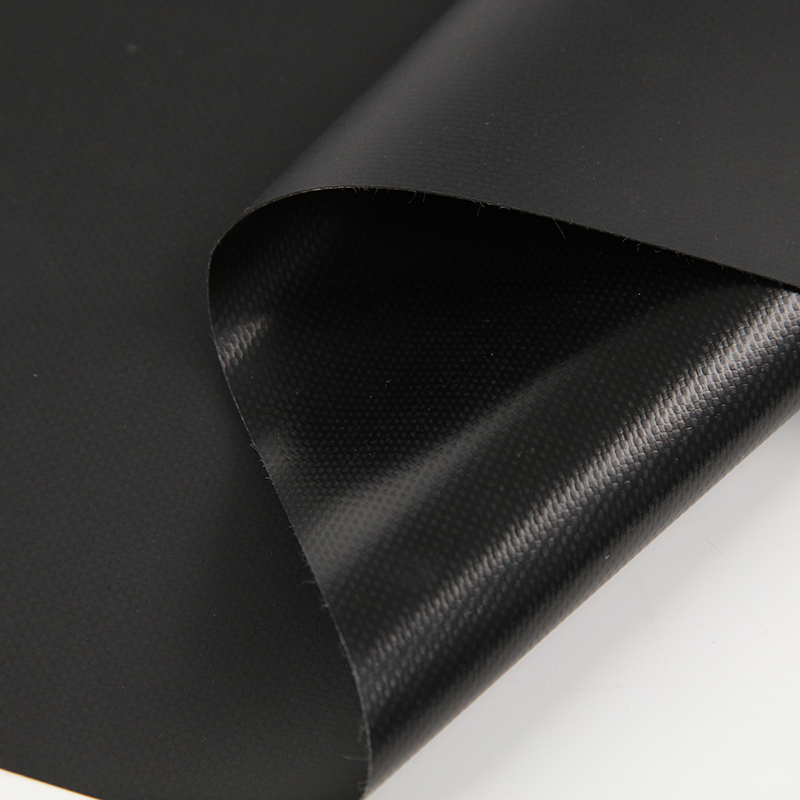
PVC tarps are constructed from polyvinyl chloride, a highly durable and robust material. The manufacturing process involves coating polyester scrim with liquid PVC resin, then heat processing it to provide superior strength and resilience. This construction grants PVC tarps exceptional durability, enabling them to withstand harsh environmental conditions, including heavy rain, wind, and UV exposure.
Typical Uses in Various Industries
Due to their strength and reliability, PVC tarps are extensively used in industrial applications. They are commonly employed to cover trucks, tents, and as truck bed liners. In agriculture and construction, PVC tarps are favored for their ability to endure heavy-duty tasks. The durability and flexibility of PVC tarps make them a staple product among pvc tarpaulin china manufacturers, who cater to international markets seeking high-quality protection solutions.
● Durability and Longevity: Poly vs. PVC
Factors Influencing Tarp Lifespan
The longevity of a tarp is influenced by various factors including material quality, environmental exposure, and usage intensity. Poly tarps, while economically appealing, often have a shorter lifespan compared to PVC tarps due to their susceptibility to tearing and UV degradation.
Comparing Durability in Harsh Conditions
PVC tarps offer superior durability in harsh conditions, outperforming poly tarps in terms of tear resistance and resistance to extreme temperatures. They are less likely to degrade under UV exposure and can withstand intense weather conditions, making them ideal for both prolonged outdoor use and rigorous industrial applications. China’s pvc tarpaulin suppliers are known for producing highly durable PVC tarps that meet such robust standards.
● Cost Analysis: Economical Considerations
Price Differences Between Poly and PVC Tarps
Cost is a pivotal factor when deciding between poly and PVC tarps. Generally, poly tarps are more affordable, making them accessible for budget-conscious projects. However, their lower cost often correlates with reduced durability and lifespan. On the other hand, while PVC tarps are more expensive, their durability and long-lasting performance justify the investment, especially for industrial and heavy-duty uses.
Cost-Effectiveness for Short-term and Long-term Use
For short-term applications, poly tarps present an economical solution. However, for long-term or demanding applications, PVC tarps are more cost-effective, as their extended lifespan reduces the need for frequent replacements. The robust quality standards set by pvc tarpaulin china manufacturers ensure that PVC tarps provide lasting value, even though the initial cost may be higher.
● Weather Resistance: Performance in Different Climates
How Poly and PVC Tarps Withstand Varying Weather
Weather resistance is a crucial criterion in selecting a tarp. Poly tarps provide adequate protection against rain and are suitable for mild weather conditions. However, they tend to perform poorly in extreme temperatures or high winds.
Best Choice for Extreme Temperature Conditions
PVC tarps excel in extreme weather conditions. Their reinforced structure and material composition allow them to maintain integrity under severe cold or heat, and they are more resistant to wind-induced damage. This makes them a preferred choice in regions with harsh climates, a preference reflected by the demand faced by pvc tarpaulin china manufacturers and suppliers.
● Versatility and Portability: Which is More Flexible?
Comparing Ease of Transport and Adaptability
When it comes to versatility and portability, poly tarps are favored for their lightweight and easy-to-handle nature. They are effortless to transport and can be quickly deployed in a variety of scenarios. This makes them ideal for quick fixes and temporary shelters.
Situational Advantages for Each Tarp Type
While PVC tarps are heavier and require more effort to transport and install, their strength and resistance to environmental factors make them indispensable for many industrial applications. In settings where durability and longevity are prioritized over portability, PVC tarps stand out as the superior choice. Wholesale pvc tarpaulin china factories cater to diverse needs by offering a range of tarps that balance these attributes.
● Maintenance and Care: Keeping Tarps in Good Condition
Cleaning and Storage Tips for Poly and PVC Tarps
Proper maintenance can extend the life of both poly and PVC tarps. For poly tarps, regular cleaning with mild soap and water, followed by thorough drying before storage, is advisable to prevent mold growth. PVC tarps, while more resistant to mold and mildew, also benefit from periodic cleaning to maintain their appearance and functional integrity.
Maintenance Impact on Overall Tarp Longevity
Storing tarps when not in use is vital. Both types should be stored in a cool, dry place, away from direct sunlight, to prevent material degradation. Consistent maintenance can significantly impact the tarp's longevity, preserving the investment over time. pvc tarpaulin china suppliers often provide guidelines to help users maximize the lifespan of their products.
● Environmental Impact: Sustainability and Disposal
Ecological Considerations for Poly and PVC Tarps
The environmental impact of tarps is increasingly becoming a pertinent consideration. Poly tarps are generally non-biodegradable and can contribute to plastic pollution if not disposed of properly. Meanwhile, PVC tarps are more challenging to recycle due to their complex chemical composition, but their longer lifespan can offset some environmental concerns.
Disposal Methods and Environmental Footprint
Proper disposal and recycling methods can mitigate the environmental impact of these tarps. Opting for tarps produced by pvc tarpaulin china manufacturers committed to sustainable practices can also reduce the ecological footprint. Manufacturers are increasingly investing in eco-friendly production techniques to ensure their products are as environmentally responsible as possible.
● Conclusion: Choosing the Right Tarp for Your Needs
Summary of Key Points and Takeaways
Choosing between poly and PVC tarps depends largely on the intended application, budget, and environmental conditions. Poly tarps are ideal for short-term, light-duty uses, while PVC tarps are better suited for long-term, heavy-duty applications.
Guidelines for Selecting the Appropriate Tarp
Consider factors such as durability, weather resistance, cost, and environmental impact when selecting a tarp. By understanding these aspects, you can make an informed decision that aligns with your specific needs and constraints.
---
About Yatai Textile
Yatai Textile is an industry leader in the production of innovative composite PVC coated fabrics for construction, transportation, architecture, and outdoor equipment applications. Operating on a 50,000 square meter facility, Yatai Textile boasts advanced production capabilities including PVC knife coating, laminating, and high-frequency welding. With a commitment to quality excellence, Yatai Textile exports to over 100 countries, providing premium PVC products that meet the highest standards in technical textiles.


 Privacy settings