


In the world of protective coverings, choosing the right material can make all the difference. Whether you're involved in construction, transportation, or simply need a reliable cover, selecting between pvc tarpaulin rolls and canvas can be challenging. This article will guide you through the characteristics, uses, and benefits of each material, helping you decide which is right for your needs.
Introduction to Tarpaulin Materials
Tarpaulins are versatile, durable, and essential for various industrial and personal uses. Key materials include poly tarps, canvas, and PVC tarpaulin rolls. In this article, we focus on comparing PVC tarpaulin rolls with canvas, two of the most popular choices for durable, reliable coverings.
● Understanding PVC Tarpaulin Rolls
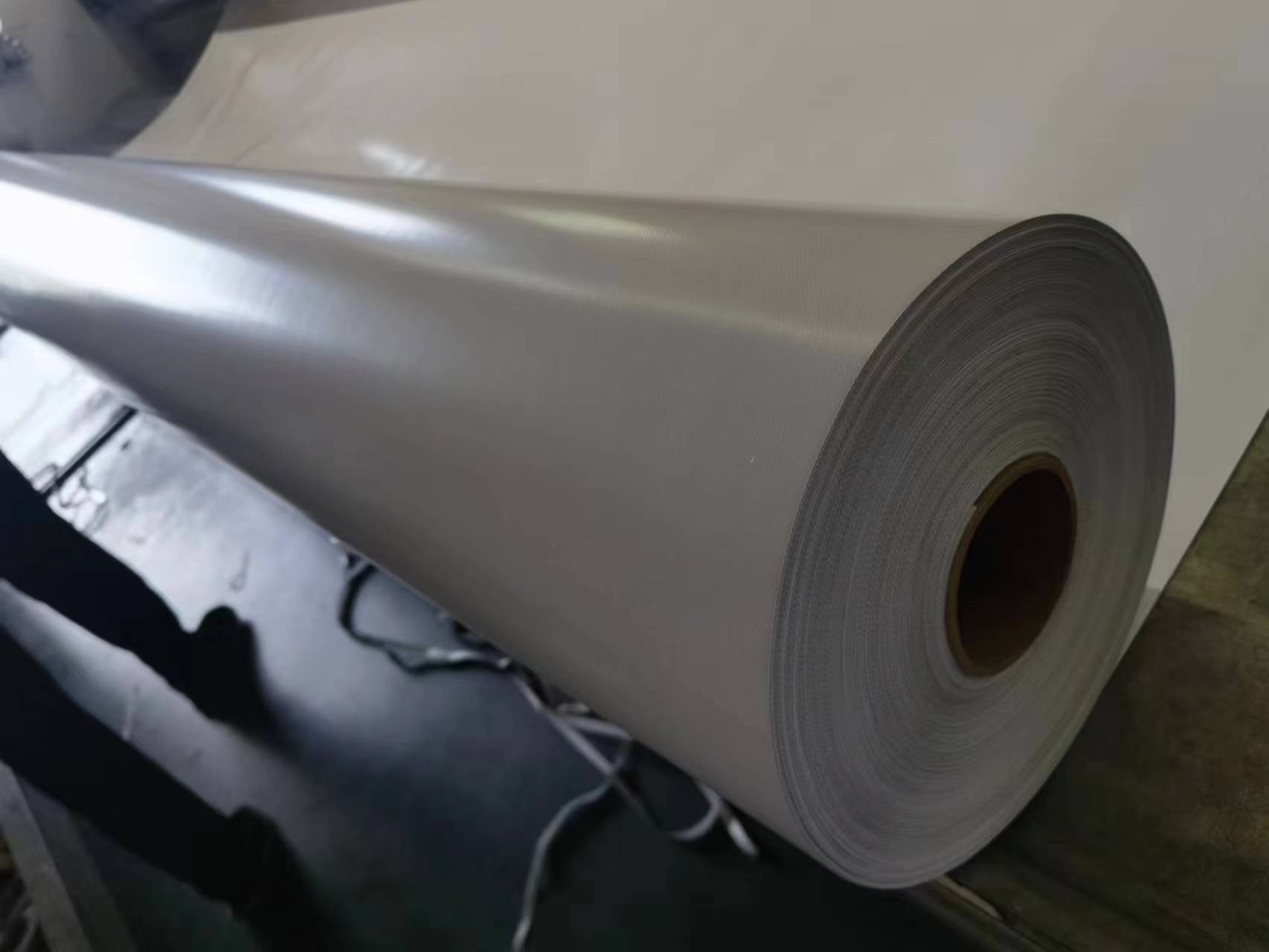
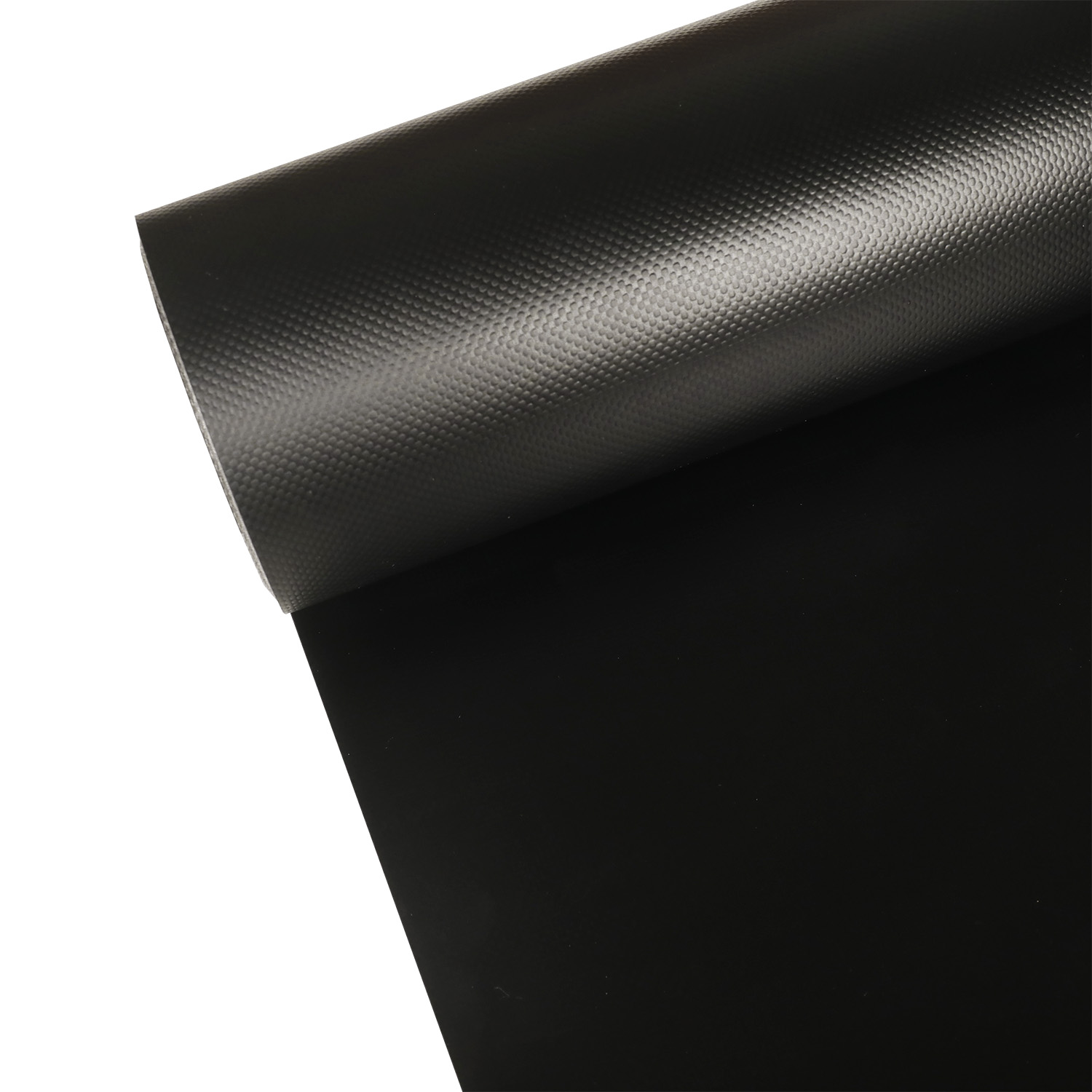
PVC tarpaulin rolls, often known in the industry as wholesale PVC tarpaulin rolls, are made from polyvinyl chloride. These tarps are recognized for their durability and environmental resistance, making them a preferred choice in harsh weather conditions. As a leading PVC tarpaulin roll manufacturer, Yatai Textile ensures that PVC tarps excel in performance across various uses.
● Understanding Canvas Tarpaulins
Canvas tarpaulins, made from woven cotton or linen, are renowned for their natural texture and breathability. They have a rugged, classic appearance and offer a degree of water resistance. Canvas tarps are frequently used in applications where breathability is crucial, such as in farming or camping.
Material Differences Between PVC and Canvas Tarpaulins
When selecting between a PVC tarpaulin roll and a canvas tarp, understanding the fundamental material differences is critical.
● Composition and Structural Differences
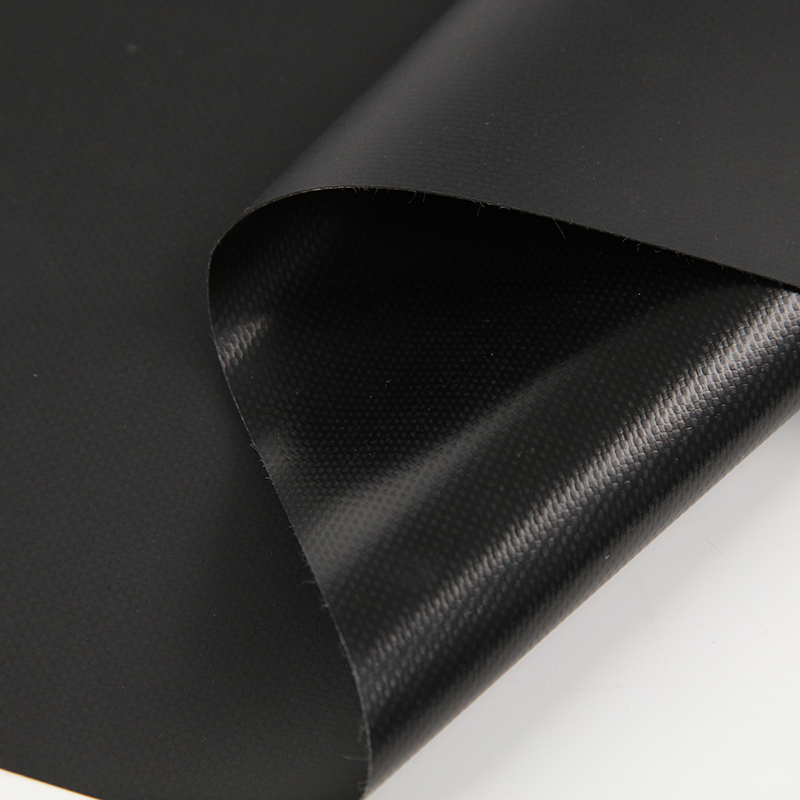
PVC tarpaulins are manufactured through a process of laminating or coating polyester with a PVC layer, creating a robust, flexible material. This structure allows them to be manufactured in large rolls, a method commonly used by PVC tarpaulin roll factories. In contrast, canvas is a woven material, providing breathability and a natural feel.
● Impact on Durability and Performance
PVC tarpaulins are incredibly durable, resistant to tearing and abrasion, making them ideal for long-term exposure to the elements. Canvas, while also robust, lacks the same level of water and UV resistance, which may limit its use in certain environments.
Environmental Resistance: PVC vs. Canvas
● Water Resistance and UV Protection
PVC tarpaulins are completely waterproof, offering superior protection against rain and moisture. Their resistance to UV rays prevents degradation over time, ensuring longevity. Canvas tarps provide water resistance rather than full waterproofing and may degrade faster under prolonged sun exposure.
● Suitability for Different Weather Conditions
PVC tarps are suitable for extreme weather, including heavy rain and intense sunlight. Their weatherproof quality makes them the go-to choice for many industrial applications. Conversely, canvas tarps might be better for mild climates or situations where breathability is essential.
Durability and Longevity: Which Lasts Longer?
● Comparative Analysis of Lifespan
When evaluating PVC tarpaulin rolls from a reliable PVC tarpaulin roll supplier, you'll find they often outlast canvas tarps due to their synthetic nature and resistance to environmental stressors. Canvas tarps, while durable, may require more frequent replacements if used in harsh conditions.
● Resistance to Wear and Tear
PVC tarps are less prone to wear and tear, thanks to their flexible yet tough structure. Canvas, with its woven fabric, can fray or tear over time, especially if not properly maintained.
Cost Considerations: Budget vs. Value
● Initial Cost Comparison
Canvas tarps generally have a lower upfront cost compared to PVC tarpaulins. However, when purchasing from a wholesale PVC tarpaulin roll supplier, bulk pricing can significantly reduce the cost per unit.
● Long-Term Value and Cost-Effectiveness
Although expensive initially, PVC tarpaulins provide greater long-term value due to their durability and lower maintenance needs. Canvas, while cheaper, may incur more frequent replacement costs.
Application Suitability: Industry-Specific Uses
● Common Uses in Various Industries
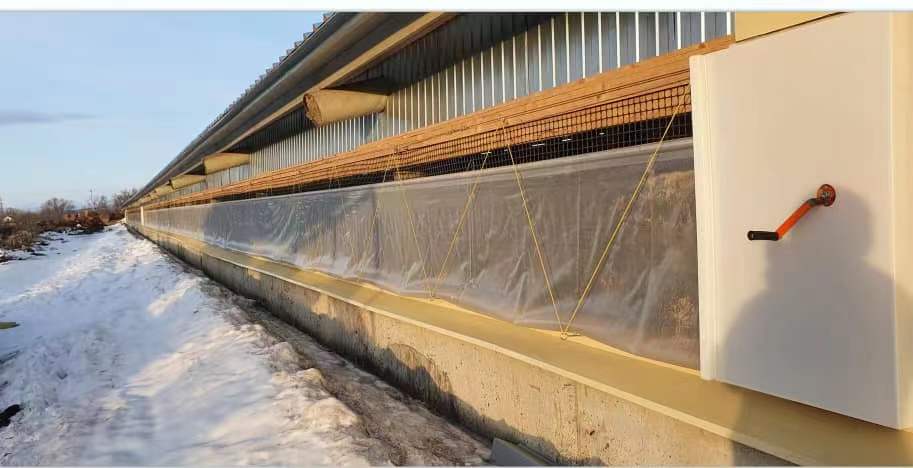
PVC tarpaulins are widely used in construction, agriculture, and transportation due to their strength and longevity. They are essential for truck covers and heavy-duty shelters. Canvas tarps find applications in areas like camping, where natural materials and breathability are preferred.
● Strengths for Specific Applications
For applications demanding heavy-duty protection and longevity, such as industrial and transportation logistics, PVC tarpaulin rolls are ideal. Canvas tarps are suitable for aesthetic applications or where moisture wicking and breathability are needed.
Ease of Use and Maintenance
● Setup and Handling Differences
PVC tarpaulins, being lightweight and flexible, are easier to handle during installation. They often come in convenient rolls for quick deployment. Canvas tarps, while slightly heavier, offer straightforward setup with tiedowns.
● Cleaning and Maintenance Requirements
PVC tarps require minimal maintenance; they can be wiped clean due to their smooth surface. Canvas tarps need to be aired out to prevent mold and require more frequent cleaning to maintain their appearance and functionality.
Visual and Aesthetic Differences
● Appearance and Texture Comparison
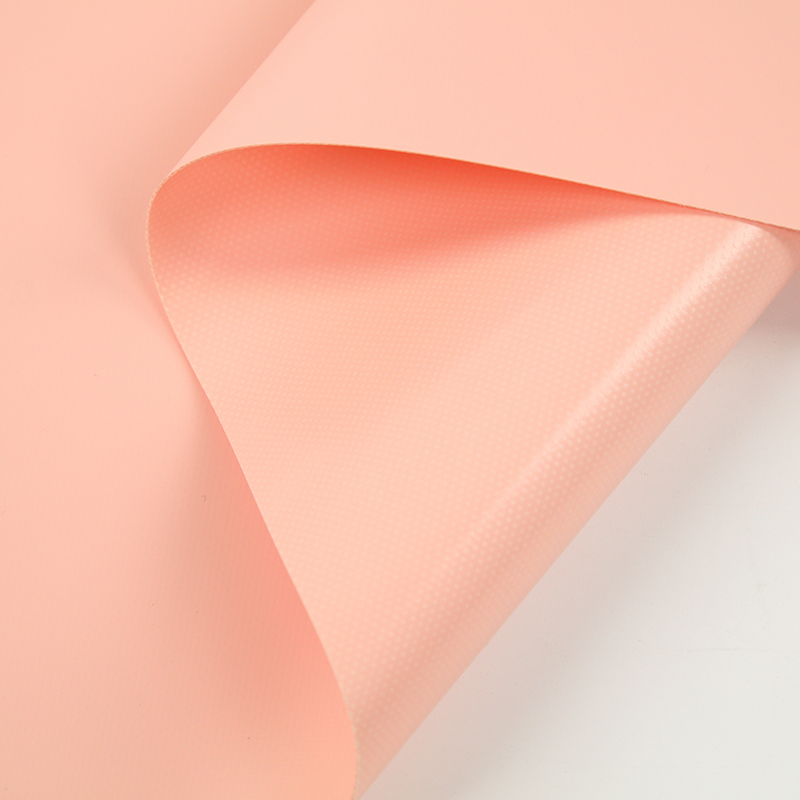
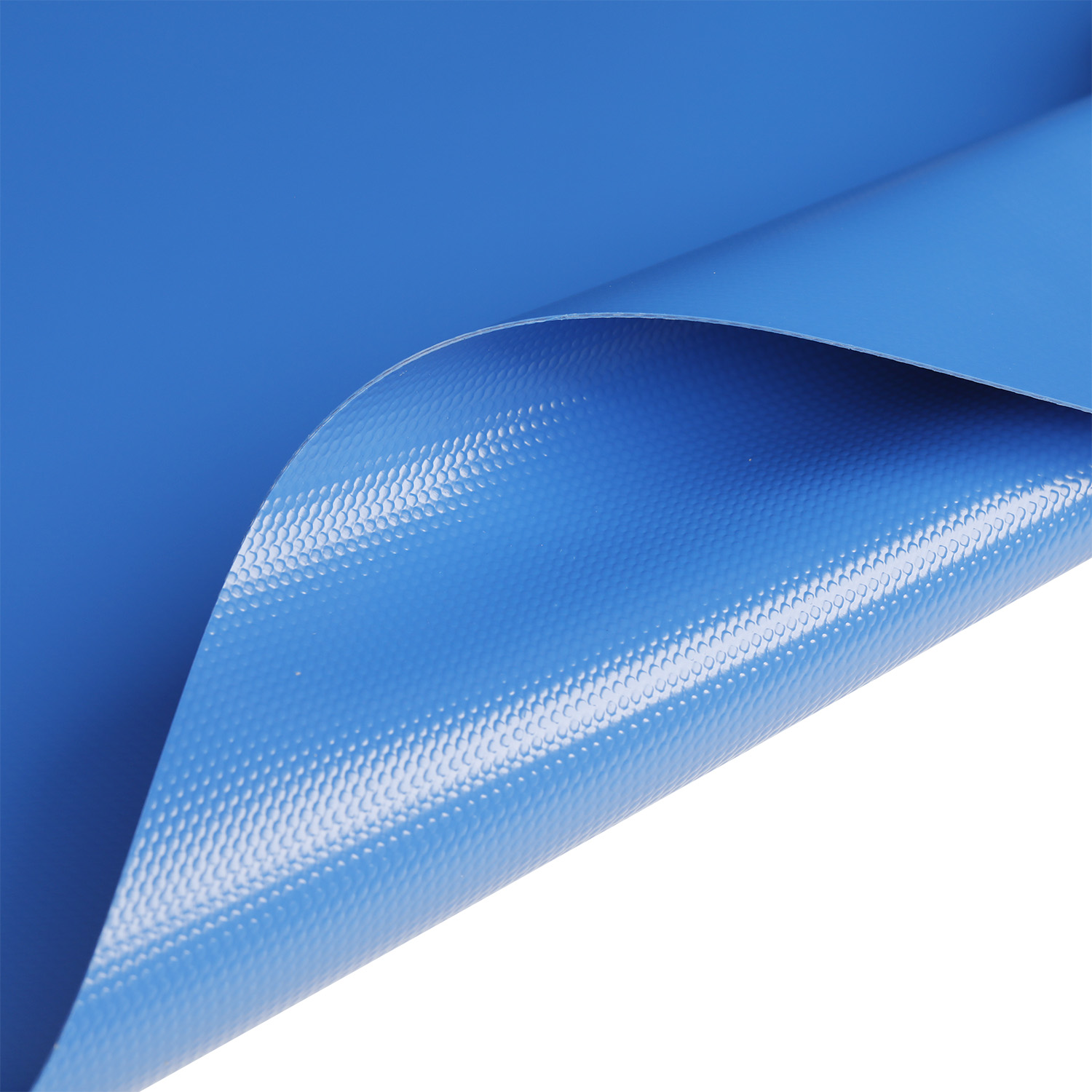
PVC tarpaulins have a glossy, smooth finish, offering a more modern aesthetic. Canvas provides a natural, rustic appearance with a matte finish, appealing for applications seeking an organic look.
● Impact on Visual Appeal and Branding
PVC tarps can be printed with logos and designs, enhancing branding efforts for businesses. Canvas, though less customizable, offers an authentic aesthetic for eco-friendly brands or rustic settings.
Environmental Impact: Sustainability of Materials
● Eco-Friendliness of PVC and Canvas
Canvas tarps are considered more environmentally friendly due to their natural composition. However, advancements in PVC production have introduced more sustainable options, reducing the environmental footprint.
● Considerations for Green Initiatives
Businesses focused on sustainability might prefer canvas tarps due to their biodegradability. However, for companies needing durability, seeking PVC tarpaulin rolls from eco-conscious manufacturers can offer a compromise.
Conclusion: Making the Right Choice for Your Needs
Choosing between PVC tarpaulin rolls and canvas tarpaulins requires considering factors such as durability, cost, environmental resistance, and application needs. For long-term industrial or outdoor use, PVC tarpaulins, especially from reputable manufacturers like Yatai Textile, provide superior protection and value. Canvas tarps are ideal for applications where natural materials and aesthetics are prioritized.
● About Yatai Textile
Yatai Textile develops and manufactures innovative composite PVC coated fabrics for construction, transportation, architecture, and outdoor equipment applications. Covering a 50,000 square meter production area, Yatai Textile boasts advanced production equipment from Germany and South Korea. With 300 skilled workers, Yatai Textile is renowned for its high-quality standards across their extensive range of PVC products, including airtight and welded tarpaulins. Yatai Textile is a global leader in technical textiles, committed to exploring the diverse applications of PVC coated fabrics.

 Privacy settings