


Pvc tent fabric
Our PVC tent fabrics cater to diverse needs, ranging from marquee and commercial tents to two-story tent systems and even circus tents. The PVDF & Acrylic Lacquering 650gsm PVC Coated Tarpaulin offers versatility and exceptional resistance to UV, oxidation, fungal growth, and fire, making it ideal for rental tents. For heavy-duty applications, our 1000D 550GSM laminated coated roll PVC tarpaulin provides a waterproof, UV-resistant, and flame-retardant solution perfect for outdoor event tents and truck covers. Our 850gsm 100% blockout PVC coated tarpaulin ensures complete opacity and premium performance with features like flame retardancy, UV treatment, and anti-bacterial properties.
Exporting to over 100 countries, including North America, Germany, and Australia, Yatai Textile stands as a trusted name in the tent material fabric industry, committed to quality and innovation.
-

High Tear-Resistant Waterproof PVC Tarpaulin PVC Coated Fabric for Truck Cover Tent Cover
YATAI tent fabric for versatility. From highly transparent to fully opaque, from light weight to heavy, from white to black, from marquee to two-storey tent system and from commercial tent to circus tent, everything become possible. Manufactured using specially selected materials, the Yatai tent fabric comply with the highest standards with respect to UV, oxidation,fungal and fire resistance. The acrylic coating on both sides is the perfect finishing touch, ensuring good resistance to dirt and easy cleaning, as well as durability.
MOQ:3000SQMS
... -

Polyester/Nylon Ripstop Waterproof PU/PVC/TPE Coated Laminating Film Printed Oxford Fabric for Luggage Bag Tent/Cover Rain Coat
YATAI 100% blockout PVC Fabric for tensile roof tent. acrylic surface treatment for long-lasting aesthetics. Perfectly weldable for easy and efficient confectioning. Premium flame retardant, low-wicking,Anti-bacterial and UV treatment for all weathering resistance.
MOQ:3000SQMS
... -

Waterproof Breathable PU/PA/PVC Coated Plain Nylon/Polyester Ripstop Oxford Acrylic Fabric Oxford Fabric for Bags or Tents
YATAI 100% blockout PVC Fabric for tensile roof tent. acrylic surface treatment for long-lasting aesthetics. Perfectly weldable for easy and efficient confectioning. Premium flame retardant, low-wicking,Anti-bacterial and UV treatment for all weathering resistance.
MOQ:3000SQMS
... -

European Standard B1 Fr 100% Blockout 850GSM RoHS&Reach/PVDF Acrylic Lacquering PVC Tarpaulin Roof Tent Tarpauline Fabric
YATAI 100% blockout PVC Fabric for tensile roof tent. acrylic surface treatment for long-lasting aesthetics. Perfectly weldable for easy and efficient confectioning. Premium flame retardant, low-wicking,Anti-bacterial and UV treatment for all weathering resistance.
MOQ:3000SQMS
... -
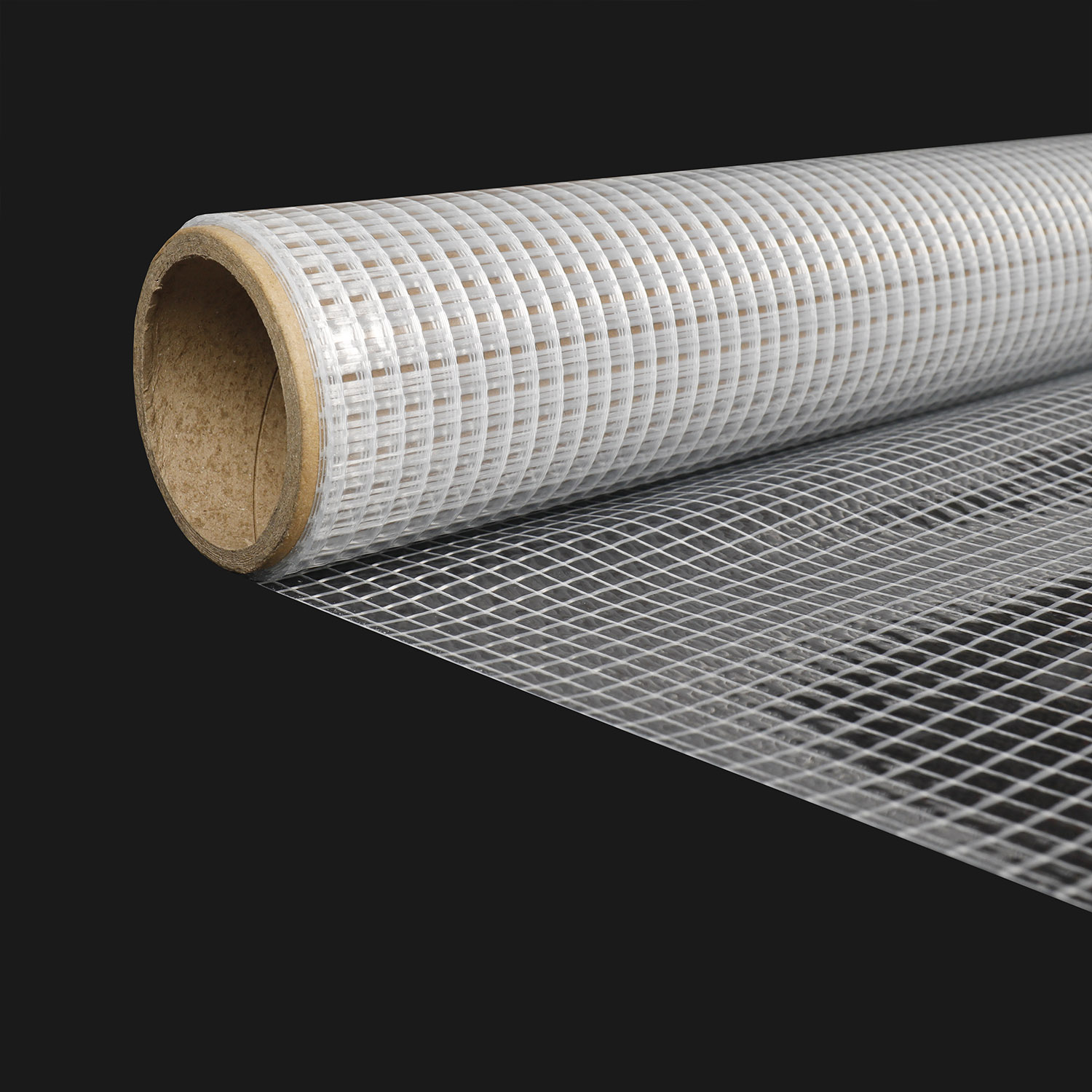
Waterproof Fireproof Anti UV Red Black Yellow Blue Green Orange White Transparent Polyester Printing Bag Pallets Truck Cover Tent Banner Roll PVC Tarpaulin
YATAI Transparent PVC Fabric for tensile roof tent. Perfectly weldable for easy and efficient confectioning. Premium flame retardant, low-wicking,Anti-bacterial and UV treatment for all weathering resistance.
MOQ:3000SQMS
... -
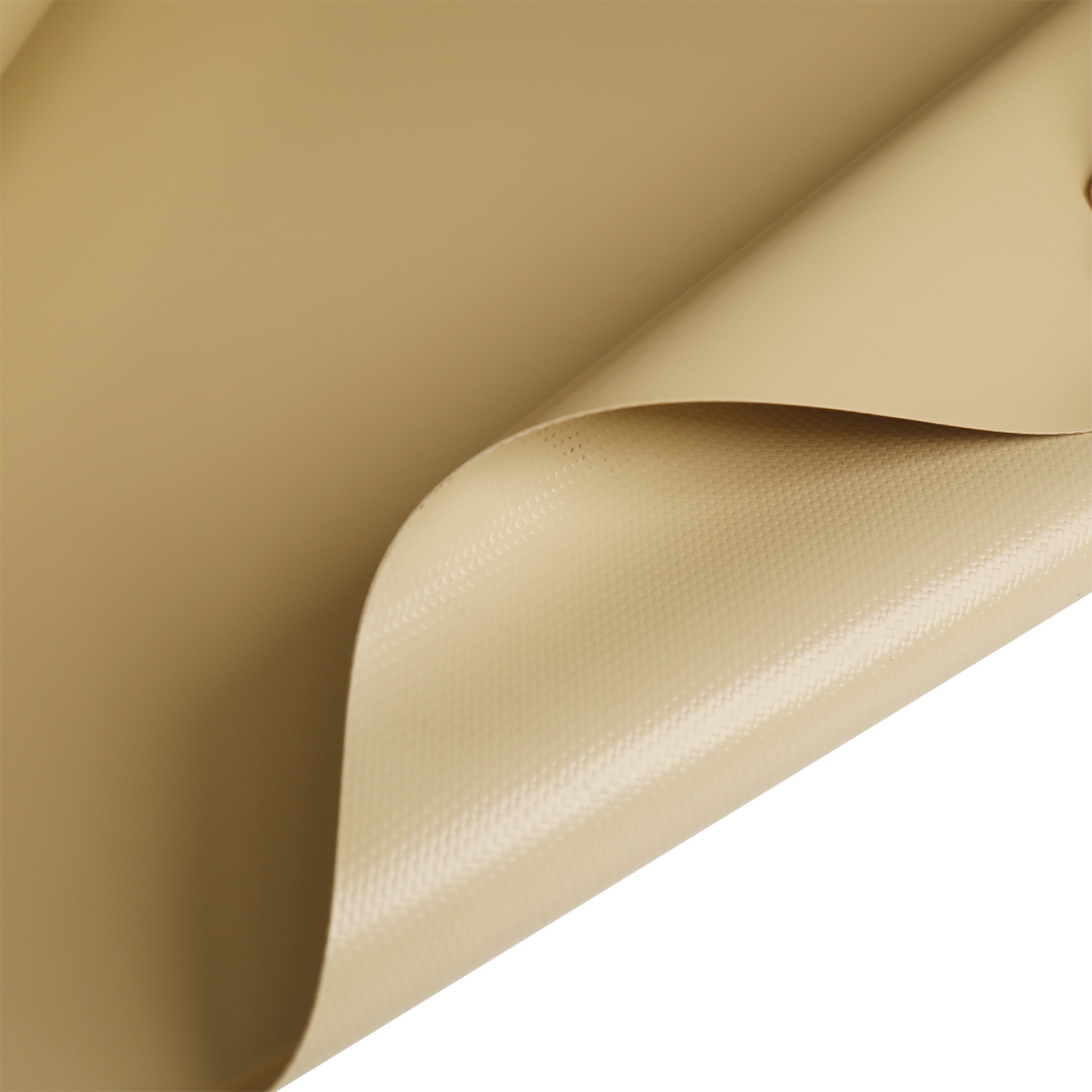
500d 1000d 400GSM 550GSM 650GSM 750GSM Heavy Duty Waterproof UV Resistant Flame Retardant Printing Tent Bag Truck Cover Laminated Coated Roll PVC Tarpaulin
YATAI tent fabric for versatility. From highly transparent to fully opaque, from light weight to heavy, from white to black, from marquee to two-storey tent system and from commercial tent to circus tent, everything become possible. Manufactured using specially selected materials, the Yatai tent fabric comply with the highest standards with respect to UV, oxidation,fungal and fire resistance. The acrylic coating on both sides is the perfect finishing touch, ensuring good resistance to dirt and easy cleaning, as well as durability.
MOQ:3000SQMS
... -
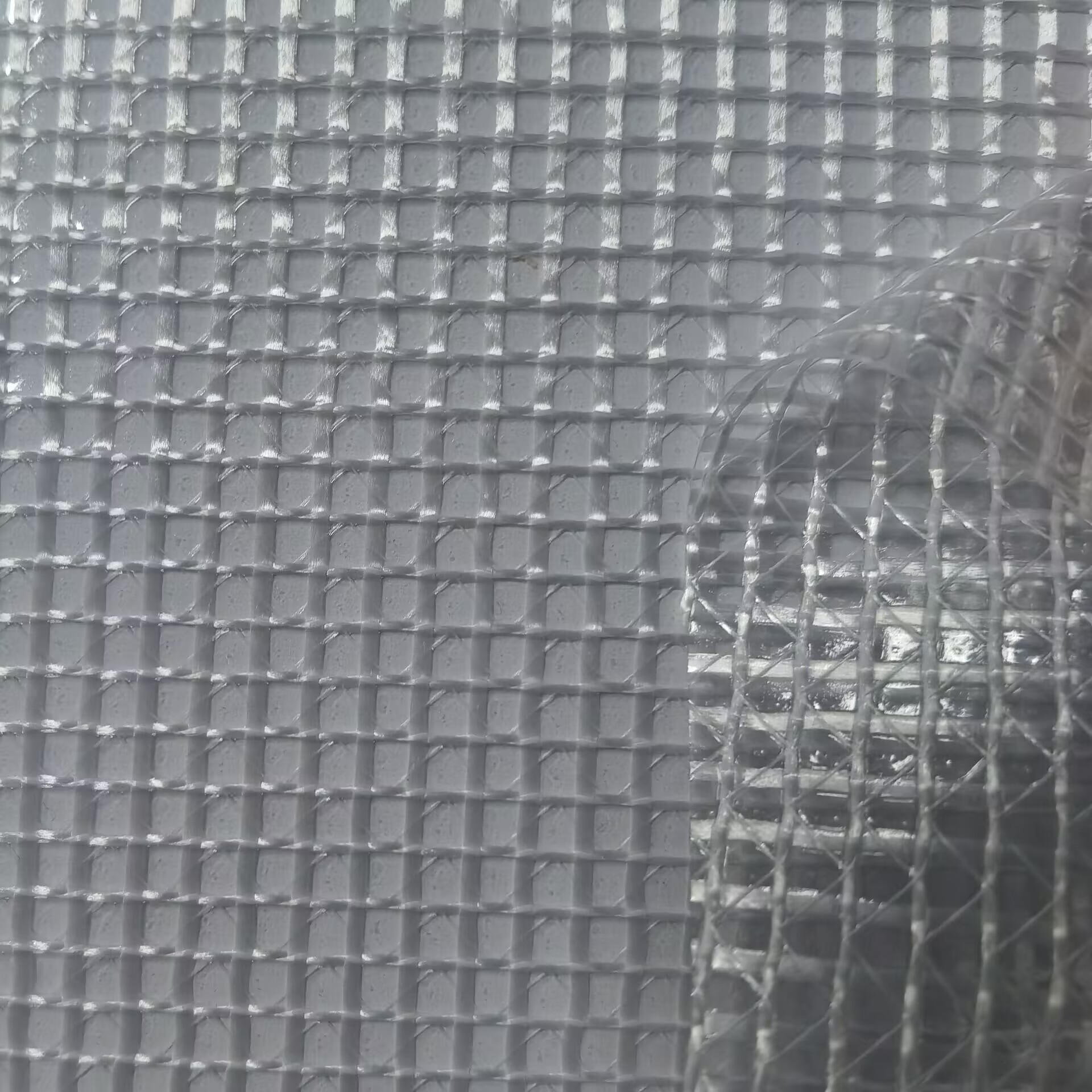
Super Transparent PVC Tarpaulin for Plant Room Outdoor Bubble Room
YATAI Transparent PVC Fabric for tensile roof tent. Perfectly weldable for easy and efficient confectioning. Premium flame retardant, low-wicking,Anti-bacterial and UV treatment for all weathering resistance.
MOQ:3000SQMS
... -
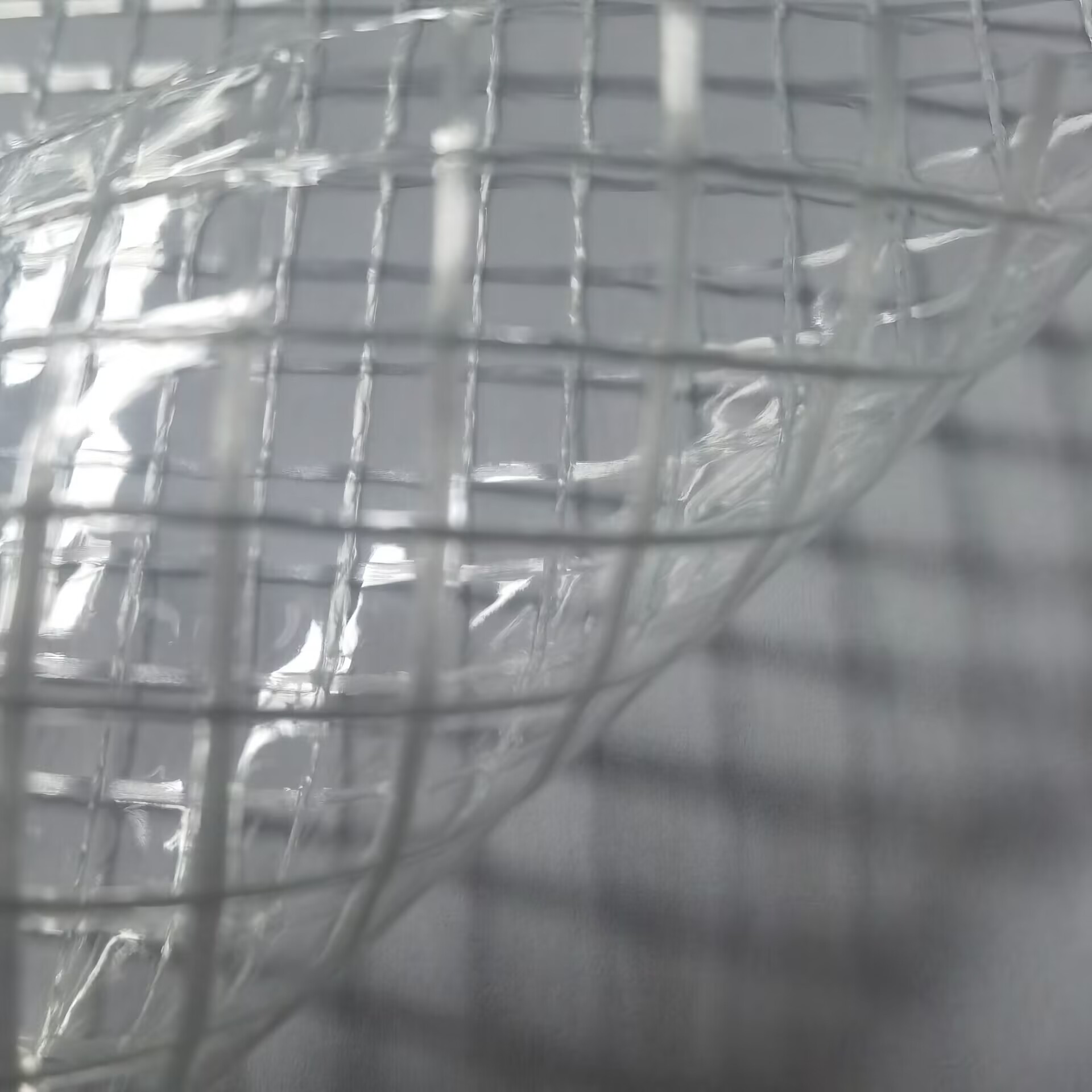
China Competitive 3*3 PVC Coated Transparent Mesh Tarpaulin for Tent Windows
YATAI Transparent PVC Fabric for tensile roof tent. Perfectly weldable for easy and efficient confectioning. Premium flame retardant, low-wicking,Anti-bacterial and UV treatment for all weathering resistance.
MOQ:3000SQMS
... -
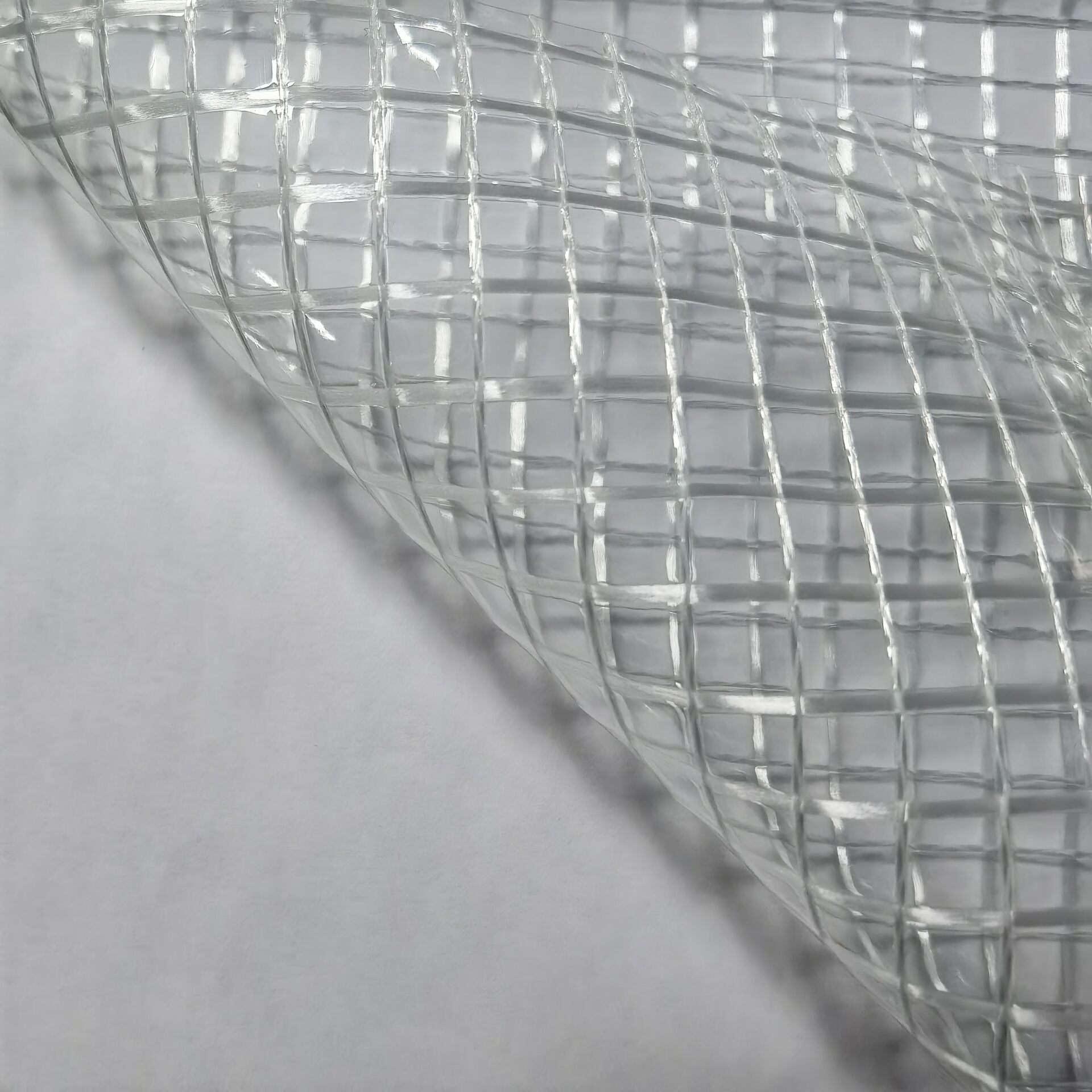
UV-Resistance Waterproof Polyester PVC Tarpaulin Clear White Transparent Fabric Mesh for Event Tent Cover
YATAI Transparent PVC Fabric for tensile roof tent. Perfectly weldable for easy and efficient confectioning. Premium flame retardant, low-wicking,Anti-bacterial and UV treatment for all weathering resistance.
MOQ:3000SQMS
... -

850gsm 100% blockout PVC coated tarpaulin for temporary event tent
YATAI 100% blockout PVC Fabric for tensile roof tent. acrylic surface treatment for long-lasting aesthetics. Perfectly weldable for easy and efficient confectioning. Premium flame retardant, low-wicking,Anti-bacterial and UV treatment for all weathering resistance.
MOQ:3000SQMS
... -

Pvdf & Acrylic Lacquering 650gsm PVC Coated Tarpaulin For Rental Tents
YATAI tent fabric for versatility. From highly transparent to fully opaque, from light weight to heavy, from white to black, from marquee to two-storey tent system and from commercial tent to circus tent, everything become possible. Manufactured using specially selected materials, the Yatai tent fabric comply with the highest standards with respect to UV, oxidation,fungal and fire resistance. The acrylic coating on both sides is the perfect finishing touch, ensuring good resistance to dirt and easy cleaning, as well as durability.
MOQ:3000SQMS
... -

Tarpaulin Roll PVC Cover Truck PVC Tent Fabric 650GSM
YATAI tent fabric for versatility. From highly transparent to fully opaque, from light weight to heavy, from white to black, from marquee to two-storey tent system and from commercial tent to circus tent, everything become possible. Manufactured using specially selected materials, the Yatai tent fabric comply with the highest standards with respect to UV, oxidation,fungal and fire resistance. The acrylic coating on both sides is the perfect finishing touch, ensuring good resistance to dirt and easy cleaning, as well as durability.
MOQ:3000SQMS
...
The Frequent FAQs of YATAI TENT FABRIC
What is PVC tent material?▾
● Characteristics and Customization
One of the standout features of PVC tent material is its exceptional durability. Manufacturers can alter the fabric’s composition by using different combinations of polyester yarns and weaving techniques, which directly impact its tearing and breaking strength. Additionally, the thickness and structure of the PVC film can be adjusted to control the material's weight, providing flexibility for various application needs. By changing formulations, PVC fabric can be made fire retardant, anti-static, air-tight, and resistant to chemicals, thereby broadening its usability in severe conditions such as those encountered in canvas boat tarpaulins.
● Laminations and Coatings
The technology used in producing PVC tent material allows for significant enhancements to its functional properties. For instance, adding a blockout layer through lamination or coating technology can ensure a 100% darkening effect, which is highly beneficial for tents used in events or commercial settings where controlling light penetration is crucial. Multiple lamination techniques, such as cold or hot lamination and knife coating, are employed based on the intended application of the material, further enhancing the fabric's performance characteristics.
● Surface Treatments
The surface appearance of PVC tent material can also be customized using different embossing rollers to achieve a glossy, matte, or embossed pattern finish. This adaptability in surface treatment not only contributes to the aesthetic appeal of the tents but also adds functional characteristics like better grip or reduced slippage, which are advantageous in certain situations.
● Applications and Versatility
The versatility of PVC tent fabric extends beyond tent manufacturing. It is also suitable for a variety of other applications, including the production of tarpaulins, covers for boats, trucks, and other outdoor equipment. The capability to produce PVC fabric with specific features, such as increased UV resistance or enhanced flexibility, makes it ideal for environments where durability and longevity are paramount.
● Conclusion
In summary, PVC tent material is a highly versatile and durable plastic that has become the material of choice for many applications beyond tent construction. Its ability to be customized in terms of strength, weight, resistance properties, and surface finish makes it an invaluable resource for various industries. The advancements in production technologies allow manufacturers to tailor PVC fabric to meet specific requirements, ensuring that products not only meet but exceed performance expectations in the field. As a result, PVC tent fabric remains a critical component in creating reliable, resilient, and functional outdoor shelters and coverings.
Is PVC tent waterproof?▾
● Properties of PVC
Polyvinyl Chloride, commonly referred to as PVC, is a highly versatile synthetic plastic polymer. It is widely used in various industries due to its robust characteristics, including durability, flexibility, and resistance to environmental factors. One of the standout properties of PVC is its innate waterproof nature. When used as a fabric for tents, PVC undergoes a series of processes to enhance these characteristics, thereby making it highly suitable for outdoor use.
● Waterproofing Capability
The waterproof quality of PVC tents is largely attributed to the material's impermeability. PVC does not absorb water, and its surface can form a barrier against moisture. This is critical for tents, which need to provide a dry interior environment even in adverse weather conditions. Manufacturers typically treat PVC tent fabric to enhance its waterproof properties further. This treatment can include lamination or coating with additional waterproof layers, ensuring that the tent fabric can withstand heavy rains without leaking.
● Seam Sealing
While PVC fabric itself is waterproof, the overall waterproof performance of a tent also depends on the construction details, particularly seam sealing. The seams are the points where the tent fabric panels are stitched together, and they can be potential weak points for water ingress. To combat this, high-quality PVC tents feature sealed or taped seams. This involves applying waterproof tape or sealant over the seams to prevent water from penetrating these junctions.
● Durability and Maintenance
A noteworthy advantage of PVC tents is their durability. PVC fabric is resistant to abrasion, UV rays, and chemicals, which means these tents are less likely to degrade over time compared to other materials. This long-lasting nature makes PVC tents a cost-effective choice for those who frequently engage in outdoor activities. Additionally, cleaning and maintaining PVC tents is relatively straightforward. The smooth surface of the PVC fabric allows for easy removal of dirt and mildew, ensuring the tent remains functional and aesthetically pleasing for many years.
● Versatility in Use
PVC tents are versatile and suited for various applications, ranging from casual camping to more demanding environments like festivals or outdoor events. The waterproof nature of PVC makes it an excellent choice for these varied uses, providing reliable shelter against unpredictable weather. Moreover, these tents come in different designs and sizes, catering to a wide range of needs and preferences.
● Environmental and Health Considerations
While PVC offers numerous advantages, there are environmental and health considerations to keep in mind. The production of PVC involves the use of chlorine and can result in the release of harmful chemicals during manufacturing and disposal. However, advancements in production techniques are continually being made to mitigate these impacts. Consumers should seek out tents made from PVC that adhere to stringent environmental standards and are produced by manufacturers committed to sustainable practices.
● Conclusion
In summary, PVC tents are indeed waterproof, thanks to the inherent properties of PVC fabric and the additional treatments applied during manufacturing. The material's durability, ease of maintenance, and versatility make it a favorable option for outdoor enthusiasts. While there are environmental considerations associated with PVC, selecting products from responsible manufacturers can help mitigate these concerns. Therefore, for those in need of a reliable, waterproof shelter, a PVC tent remains a compelling choice.
Is PVC fabric safe?▾
● Characteristics of PVC Fabric
PVC fabric is a type of synthetic plastic polymer that is widely used in the manufacturing of a myriad of products, including outdoor gear like tents. Known for its strength and resistance to water, fire, and various chemicals, PVC is particularly lauded for its durability. When utilized in tent material fabric, it provides excellent protection against harsh weather conditions, making it a favorable choice for both casual campers and professional expeditions.
● Health Concerns Associated with PVC Fabric
Despite its advantageous properties, concerns have been raised about the potential health risks associated with PVC fabric. The production and disposal of PVC involve the release of harmful chemicals, such as dioxins and phthalates, which are known to be toxic and potentially carcinogenic. These chemicals can have adverse effects on the respiratory system, liver, and other vital organs. When PVC fabric is used in tents, prolonged exposure to these chemicals, particularly in enclosed or poorly ventilated environments, could pose health risks to users.
● Environmental Impact of PVC Fabric
The environmental impact of PVC fabric is another significant concern. The production process of PVC is energy-intensive and results in the emission of several greenhouse gases. Moreover, PVC is not biodegradable, leading to long-term environmental pollution as it accumulates in landfills. The incineration of PVC waste can release toxic chlorine-based chemicals into the atmosphere, contributing to pollution and posing long-term environmental hazards.
● Regulation and Safety Standards
To mitigate the risks associated with PVC fabric, various regulatory bodies have established safety standards and guidelines. Manufacturers are required to adhere to strict regulations concerning the production, use, and disposal of PVC materials. These guidelines aim to minimize the release of harmful substances and ensure that the end products meet safety standards for consumer use. In the context of tent material fabric, adherence to these regulations can significantly reduce the potential health and environmental risks.
● Alternatives to PVC Fabric
Considering the safety concerns, there has been a growing interest in finding safer alternatives to PVC fabric. Materials such as polyethylene, polypropylene, and canvas have been explored for their potential to offer similar benefits without the associated health and environmental risks. These alternatives are often more sustainable and can provide comparable levels of durability and protection, making them viable options for tent materials and other applications.
● Conclusion
The safety of PVC fabric, particularly when used as tent material fabric, is a complex issue that requires careful consideration of various factors, including health risks and environmental impact. While PVC offers undeniable benefits in terms of durability and resistance, the potential adverse effects on health and the environment cannot be overlooked. Regulatory measures and the development of safer alternatives are crucial steps towards ensuring the safety and sustainability of materials used in consumer products. As consumers become more aware of these issues, the demand for safer and more environmentally friendly materials is likely to rise, driving innovation and change in the industry.
How do you care for PVC fabric?▾
Regular Cleaning
One of the primary methods to care for PVC fabric is regular cleaning. Dust, dirt, and environmental pollutants can accumulate on the surface over time, leading to potential deterioration and unsightly appearance.
Steps for Routine Cleaning:
1. Dust Removal: Begin by using a soft-bristled brush or a dry cloth to remove loose dirt and debris. This step is crucial to prevent scratching the PVC surface during further cleaning processes.
2. Mild Soap Solution: Mix a solution of mild soap and lukewarm water. Avoid harsh detergents or abrasive cleaners, as these can damage the fabric’s surface. Using a soft sponge or cloth, gently scrub the soiled areas.
3. Rinse Thoroughly: After cleaning, rinse the fabric thoroughly with clean water to remove any soap residue. Soap residues can attract more dirt if not properly rinsed off.
4. Air Dry: Allow the fabric to dry naturally. Avoid using heat sources such as hair dryers, as excessive heat can cause the PVC to warp or degrade.
Stain Removal
For tougher stains or mildew build-up, a more targeted approach is required. Addressing these issues promptly will prevent permanent damage to the PVC fabric.
Steps for
Stain Removal
:1. Identify the Stain: First, determine the type and extent of the stain. Common stains include bird droppings, tree sap, and mildew.
2. Specialized Cleaners: Use a cleaner specifically designed for PVC fabric, following the manufacturer's instructions. Test the cleaner on a small, inconspicuous area first to ensure it doesn’t discolor or damage the fabric.
3. Scrubbing: Apply the cleaner to the stained area and gently scrub using a soft-bristled brush or cloth. For mildew, a solution of white vinegar and water can be effective. After applying the solution, let it sit for about 15 minutes before scrubbing.
4. Rinse and Dry: Rinse the fabric thoroughly to remove any cleaning solution and allow it to air dry completely.
Preventative Care
Preventative care strategies can significantly extend the life of your PVC fabric, particularly in outdoor applications like tent textiles.
Strategies for Prevention:
1. UV Protection: Prolonged exposure to direct sunlight can cause the PVC to fade and break down. Use UV-protective sprays specifically designed for PVC fabrics to mitigate this effect. Setting up tents in shaded areas when possible also helps.
2. Proper Storage: When not in use, store PVC fabric in a cool, dry place. Ensure it is completely dry before storing to prevent mold and mildew growth. Avoid folding the fabric in ways that can create permanent creases.
3. Regular Inspections: Periodically inspect the fabric for signs of wear and tear. Addressing minor issues like small tears or loose seams promptly can prevent them from becoming more extensive problems.
Repair and Maintenance
Despite your best efforts, the PVC fabric may sometimes require repairs. Knowing how to handle small repairs can extend the fabric's service life.
Repair Techniques:
1. Patch Kits: Invest in a high-quality patch kit designed for PVC fabrics. These kits usually include adhesive and material patches. Clean the area surrounding the tear, apply the adhesive, and place the patch firmly over the damaged area.
2. Seam Maintenance: Regularly check the seams of your tent textiles. If you notice any loosening, apply a seam sealant designed for PVC to reinforce the seams and prevent leaks.
In conclusion, caring for PVC fabric involves a combination of regular cleaning, prompt stain removal, preventative measures, and occasional repairs. By following these comprehensive care practices, you can ensure that your PVC fabric, especially when used in tent textiles, remains in excellent condition, providing durability and aesthetic appeal for many years.
 Privacy settings