


Your floating fabrics keep sinking expectations faster than your budget, and every new “marine-proof” material ages like a sunburned pool toy.
Calm the waves by following data-driven trends in buoyancy tech and coatings from the OECD Marine Technology Market Report.
⚓ Global demand trends for floating fabric in commercial marine projects
In 2026, floating fabric demand grows as ports, offshore farms, and tourism upgrade to safer, longer‑lasting inflatable and buoyant systems worldwide.
Developers increasingly specify PVC and technical textiles for workboats, floating tanks, and modular pontoons to cut maintenance and extend service life.
1. Offshore energy and aquaculture expansion
Floating fabrics support cages, walkways, and service platforms in deeper waters, where steel or wood structures face higher fatigue, corrosion, and weight limits.
- Offshore fish farms
- Floating solar frames
- Service barges and work rafts
2. Coastal protection and emergency response
Governments invest in flexible barriers and inflatable structures to manage floods, spills, and storms, boosting demand for robust coated textiles.
- Inflatable flood walls
- Oil containment booms
- Rapid‑deploy rescue craft
3. Tourism, leisure, and modular marinas
Resorts and marinas use lightweight floating fabrics for walkways, platforms, and inflatable boats to lower costs and speed installation.
| Application | Key Driver |
|---|---|
| Inflatable boats | Low weight, high mobility |
| Floating docks | Fast installation |
| Water parks | Seasonal flexibility |
4. Industrial and utility water systems
Industries adopt fabric‑based water tanks, covers, and flexible storage for fire protection, process water, and remote operations.
- Temporary seawater storage
- Remote camp tanks
- Emergency fire‑water systems
🌊 Regulatory shifts impacting floating fabric performance and safety standards
By 2026, marine rules tighten around fire behavior, chemical leaching, and life‑cycle traceability for floating fabrics used in commercial projects.
Buyers must now prove material origin, test results, and compliance with local and international marine safety codes.
1. Higher fire and flame‑spread requirements
Authorities push stricter flame tests on inflatable boats, pontoons, and barriers, favoring coated fabrics with stable fire‑retardant systems.
- Improved flame resistance
- Lower smoke and toxicity
- Certified third‑party testing
2. Chemical safety and recyclability rules
Regulators phase down certain plasticizers and additives, while rewarding designs that allow partial recycling and lower microplastic release.
| Region | Key Focus |
|---|---|
| EU | Restricted additives |
| US | Worker exposure |
| Asia‑Pacific | Waste reduction |
3. Data‑driven inspection and monitoring
More rules encourage digital tags and inspection logs, tracking every floating fabric’s test history, repairs, and replacement schedule.
- QR‑coded product labels
- Cloud inspection records
- Predictive maintenance alerts
4. Visual data analysis for compliance planning
Project teams use simple bar charts to compare regional compliance costs, helping them select the right fabric grade for each marine zone.
🧵 Technological innovations improving buoyancy, durability, and environmental resistance
New coating chemistries, weaving styles, and bonding methods make floating fabrics lighter, stronger, and more stable in harsh marine climates.
These advances cut downtime and help operators run fleets with fewer repairs and safer performance.
1. Advanced PVC and hybrid coatings
Next‑generation PVC blends and hybrids raise abrasion, UV, and salt resistance while keeping weldability and airtight performance for marine projects.
- Better UV stability
- Smoother welding
- Longer service life
2. Engineered base fabrics and structures
High‑tenacity yarns and balanced weaves improve tear strength and flex durability, even under repeated folding and inflation cycles.
| Feature | Benefit |
|---|---|
| High‑tenacity polyester | Greater tear resistance |
| Dense weave | Improved airtightness |
3. Smarter fabrication and testing
Factories use automated cutting, precise welding, and routine pressure tests to deliver more consistent marine‑grade inflatable and floating systems.
- Automated cutting tables
- Computer‑controlled welders
- Routine pressure retention tests
🌱 Sustainability goals driving eco-friendly floating fabric adoption in 2026
Climate targets and coastal rules push buyers toward durable, repairable floating fabrics with lower overall environmental impact.
Longer life and better recyclability now influence many tender decisions in ports and offshore projects.
1. Life‑cycle thinking in material choice
Owners focus on total life cost and carbon impact, preferring fabrics that last longer and need fewer replacements.
- Extended service intervals
- Reduced waste volume
- Lower transport emissions
2. Design for repair and reuse
Floating modules and boats are built for easy repair, using compatible coatings and clear patching procedures on site.
| Design Action | Outcome |
|---|---|
| Standardized panels | Faster repairs |
| Repair kits | Less downtime |
3. Support for circular initiatives
Some regions pilot take‑back and recycling schemes, turning end‑of‑life fabrics into secondary materials instead of landfill.
- Material sorting programs
- Mechanical recycling trials
- Upcycling into non‑marine goods
🏗️ Strategic advantages of choosing Yatai Textile for marine floating fabric solutions
Yatai Textile offers marine‑grade PVC fabrics that balance strength, airtight performance, and cost for commercial floating projects.
Its product range covers tanks, inflatable boats, and high‑load structures used in ports and offshore operations.
1. Proven product lines for demanding marine use
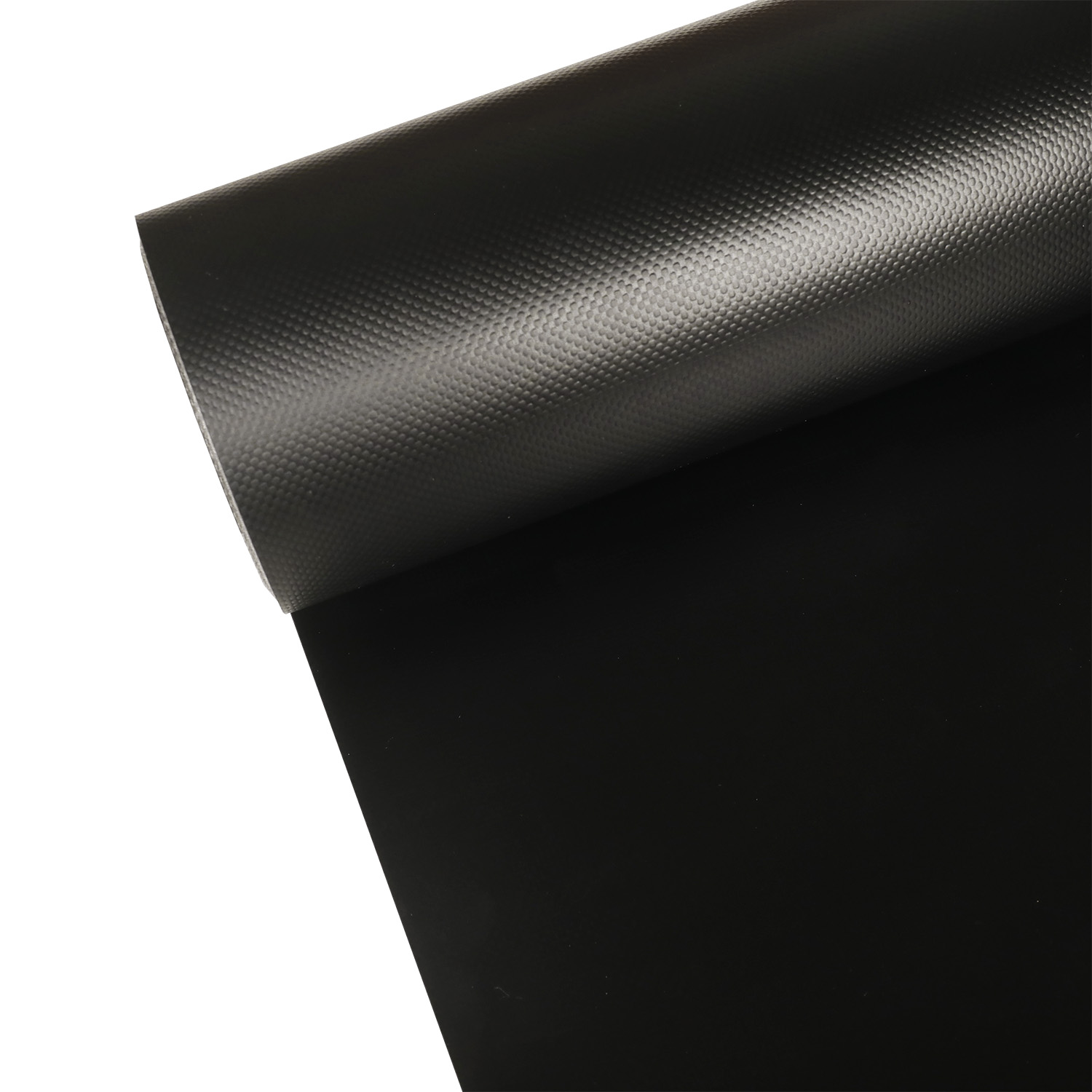
For stable, sealed storage in harsh marine zones, the 930gsm PVC Airtight Tarpaulin For Water Tank delivers strong weld strength and excellent pressure retention.
2. Lightweight yet robust inflatable boat materials
Commercial operators favor the 850gsm PVC Airtight Tarpaulin For Inflatable Boat for rescue craft, tenders, and rental fleets that need easy handling and reliable seams.
3. Heavy-duty coated fabric for high-load craft
The 1100gsm PVC Inflatable Boat Fabric with Coated suits workboats, patrol units, and cargo inflatables that face rough impact, abrasion, and frequent deployment.
Conclusion
By 2026, floating fabrics in marine applications must meet stricter rules, longer service expectations, and clear sustainability goals.
Choosing optimized PVC textiles and trusted suppliers helps ports, shipyards, and offshore operators control risk, improve uptime, and lower long‑term ownership costs.
Frequently Asked Questions about floating fabric
1. What is floating fabric in marine applications?
Floating fabric is a coated technical textile, often PVC on polyester, used in inflatable boats, tanks, pontoons, and marine barriers that must stay buoyant.
2. How long can marine floating fabrics last?
With proper design and maintenance, quality marine fabrics often last 8–15 years, depending on UV exposure, loading cycles, and chemical contact.
3. Are PVC floating fabrics environmentally responsible?
Modern PVC systems use safer additives, deliver long life, and support repair and partial recycling, which can reduce total environmental impact versus short‑life materials.
4. How do I choose the right fabric weight?
Match weight to duty level: lighter fabrics for portable inflatables, heavier grades for workboats, tanks, and structures exposed to impact or abrasion.
5. Why is airtight performance so important?
Strong airtight performance keeps pressure stable, improves safety, and reduces the need for frequent re‑inflation in boats, tanks, and floating modules.



 Privacy settings