


Introduction
PVC fabric has become a cornerstone in various industries due to its versatility, durability, and easy maintenance. This article aims to delve into the composition and characteristics of PVC fabric, highlighting its historical development, manufacturing processes, and different types. We will also explore its applications in fashion and industrial settings, compare it with similar materials, and discuss its environmental impact. Furthermore, the piece will offer tips for caring for PVC fabric and introduce future trends and innovations. Lastly, we'll introduce YATAI TEXTILE, a leader in the PVC fabric industry.
1. Introduction to PVC Fabric: Composition and Characteristics
● Overview of Polyvinyl Chloride (PVC)
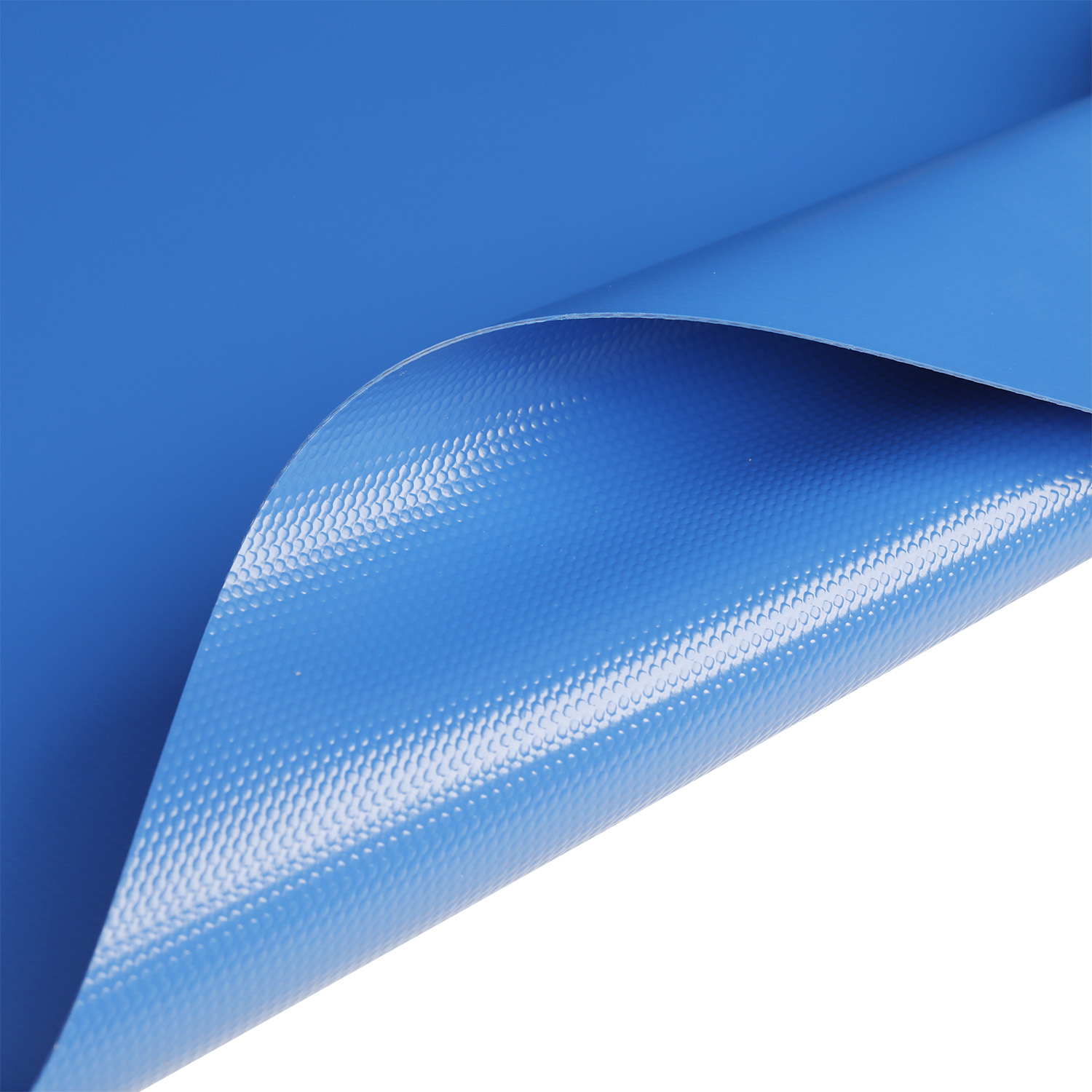
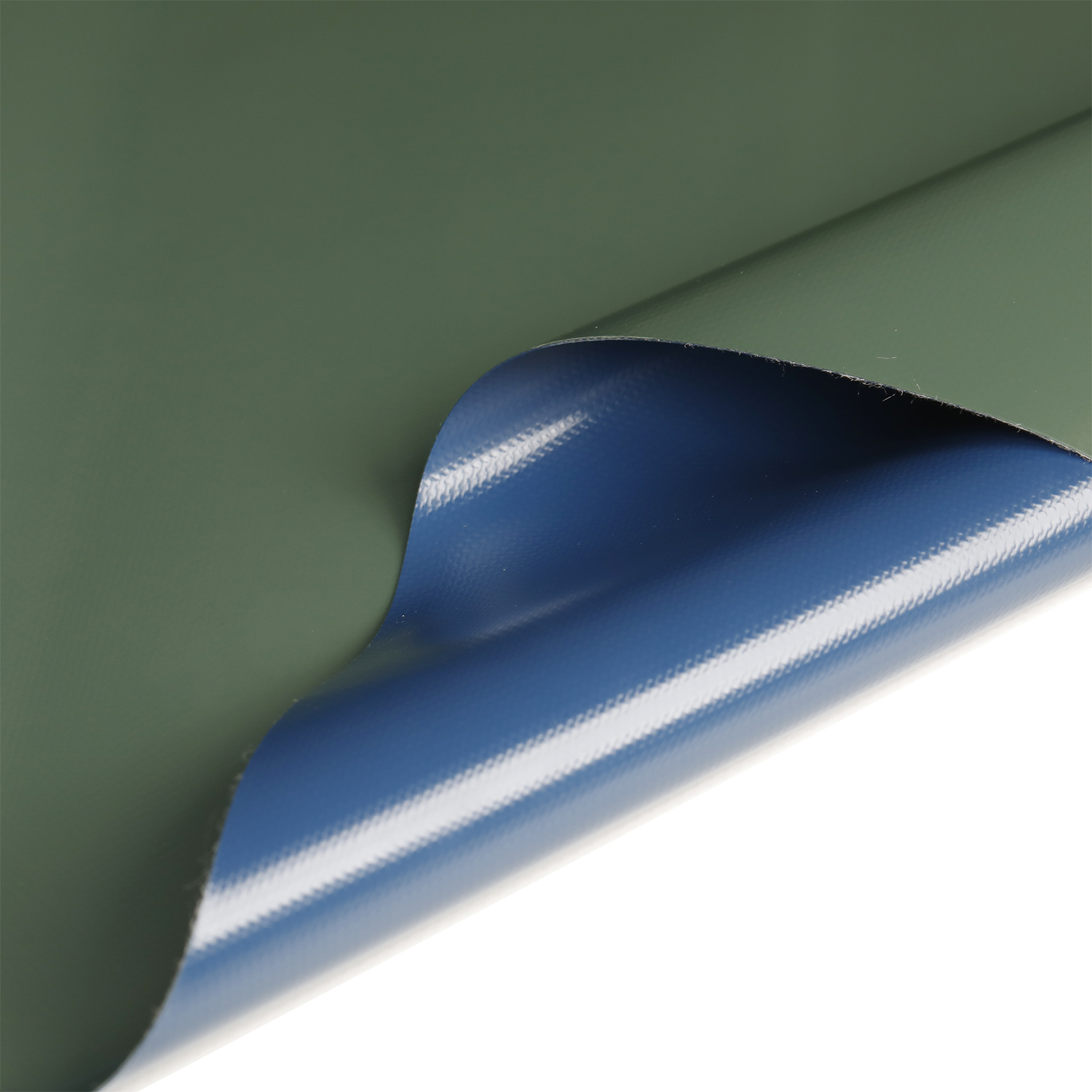
Polyvinyl Chloride, commonly known as PVC, is a synthetic plastic polymer that has gained immense popularity for its use in creating versatile and durable fabrics. PVC fabric is made by combining PVC resin with other additives to produce a material that is both flexible and resilient. These fabrics can be customized to meet various needs, from industrial applications to fashion garments.
● Key Properties and Applications
PVC fabric is celebrated for its waterproof characteristics, resistance to abrasion, and long-lasting durability. These properties make it an ideal choice for outdoor applications such as tents, tarpaulins, and covers. Furthermore, its ability to be produced in various colors and textures adds to its appeal in the fashion industry, where it is used for creating trendy clothing and accessories.
2. Historical Development of PVC Fabric
● Origins and Early Uses of PVC in Textiles
The advent of PVC dates back to the early 20th century, with its first commercial applications emerging in the 1920s. Initially used for industrial purposes, the material quickly gained traction due to its versatile nature. As innovations continued, PVC found its way into the textile industry, paving the way for the development of PVC fabric.
3. Chemical Structure of Polyvinyl Chloride
● Explanation of PVC Molecule
PVC is composed of repeating units of vinyl chloride monomers (VCM). The polymerization of VCM results in long chains of PVC molecules, which can be further modified with plasticizers, stabilizers, and other additives to achieve desired properties. This modification gives PVC fabric its unique characteristics, such as flexibility, strength, and resistance to environmental factors.
● How the Chemical Composition Impacts Durability
The chemical composition of PVC fabric plays a crucial role in its durability. The addition of plasticizers makes the material flexible, while stabilizers enhance its resistance to heat and UV radiation. These additives ensure that PVC fabric can withstand harsh conditions, making it suitable for long-term use in various applications, including pvc tent fabric and outdoor covers.
4. Manufacturing Process of PVC Fabric
● Steps in PVC Fabric Production
The production of PVC fabric involves several key steps. Initially, PVC resin is mixed with plasticizers and other additives to form a dough-like mixture. This mixture is then spread onto a fabric backing (such as polyester) using techniques like knife coating or calendaring. The coated fabric is passed through heated rollers, which fuse the layers together, creating a strong and flexible material.
● Techniques for Coating Fabrics with PVC
Two primary techniques are used for coating fabrics with PVC: knife coating and calendaring. Knife coating involves spreading the PVC mixture onto the fabric using a precision blade, while calendaring involves pressing the fabric and PVC mixture between heated rollers to achieve a uniform coating. Both methods ensure that the final product is durable and meets the required specifications.
5. Types of PVC Fabrics and Their Uses
● Different Blends of PVC and Their Effects
PVC fabrics can be blended with other materials, such as polyurethane (PU), to achieve specific properties. For instance, a blend of PVC and PU can produce a fabric that is both glossy and stretchy, suitable for fashion applications. On the other hand, a higher concentration of PVC results in a stiffer fabric, ideal for industrial uses like pvc tent fabric.
● Common Applications in Fashion and Industry
PVC fabrics are widely used in both fashion and industry. In the fashion world, they are popular for creating trendy clothing items such as jackets, skirts, and accessories. Industrial applications include the use of PVC fabrics for making tarpaulins, covers, and inflatable structures. Companies involved in wholesale pvc tent fabric, such as YATAI TEXTILE, provide high-quality products for these diverse applications.
6. Comparing PVC with Similar Materials
● Differences between PVC, PU, and Patent Leather
PVC, PU (Polyurethane), and patent leather are often used interchangeably in the textile industry, but they have distinct differences. PVC is the most durable and water-resistant, making it suitable for outdoor applications. PU is more flexible and has a smoother finish, often used in fashion. Patent leather, while glossy, is less durable and not as versatile as PVC.
● Advantages and Disadvantages of Each Material
PVC fabric offers several advantages, including durability, water resistance, and cost-effectiveness. However, it can be less breathable and flexible compared to PU. PU, on the other hand, provides a smoother and more flexible finish but may not be as resistant to harsh environmental conditions. Patent leather offers high gloss and aesthetic appeal but lacks the durability of PVC and PU.
7. Environmental Impact and Sustainability of PVC Fabric
● Ecological Footprint of PVC Production
The production of PVC fabric has environmental implications, primarily due to the use of non-renewable resources and the release of harmful chemicals during manufacturing. However, advancements in technology have led to more eco-friendly production methods, reducing the ecological footprint of PVC fabric.
● Efforts and Innovations for Sustainable PVC
Efforts to make PVC more sustainable include the development of bio-based plasticizers, recycling programs, and improved waste management practices. Innovations in production techniques also aim to reduce energy consumption and minimize the release of harmful emissions. Companies like YATAI TEXTILE are at the forefront of these sustainability efforts, producing high-quality pvc tent fabric with minimal environmental impact.
8. Caring for PVC Fabric: Maintenance Tips
● Common Issues and Solutions for PVC Maintenance
Common issues with PVC fabric include stretching, tearing, and loss of shine. To prevent these problems, avoid over-stretching the material and handle it with care. If the fabric loses its shine, a silicone spray can help restore its original appearance. For any tears, specialized PVC repair kits are available, ensuring the fabric remains intact and functional.
9. Future Trends and Innovations in PVC Fabric
● Emerging Technologies in PVC Production
The future of PVC fabric looks promising with the advent of new technologies aimed at enhancing its properties and applications. These include advanced coating techniques, improved plasticizer formulations, and innovative recycling methods. Such technologies are set to produce even more durable, flexible, and eco-friendly PVC fabrics.
● Predictions for the Future Uses and Designs of PVC Fabrics
As technology continues to evolve, we can expect to see PVC fabric used in a wider range of applications, from advanced protective clothing to innovative architectural elements. Designers and manufacturers are likely to explore new textures, finishes, and blends, expanding the possibilities for PVC fabric in both fashion and industrial sectors.
Introducing YATAI TEXTILE
YATAI TEXTILE stands at the forefront of the PVC fabric industry, known for its commitment to quality and innovation. Covering a production area of 50,000 square meters, the company boasts advanced equipment and a skilled workforce dedicated to producing premium PVC fabrics. YATAI TEXTILE's offerings include PVC coated fabrics, TPU tarpaulins, and more, serving diverse industries worldwide. Renowned for their meticulous quality standards, YATAI TEXTILE continues to lead the market with their cutting-edge products and exceptional customer satisfaction.




 Privacy settings