


PVC tarpaulin, also known as vinyl tarpaulin, is an incredibly versatile and durable material used in a wide variety of applications. From trucks covers to tents, tarpaulin products are indispensable in many industries. But how exactly are these robust sheets made? This comprehensive guide will delve into the manufacturing process of PVC tarpaulin, outlining each critical step from raw material selection to final quality control. This process involves a mix of chemistry, engineering, and meticulous quality assurance to produce a product that meets the highest standards of durability and functionality.
Introduction to PVC Tarpaulin Manufacturing
● Overview of PVC Tarpaulin
PVC tarpaulin, commonly referred to as polyvinyl chloride tarpaulin, is a type of tarpaulin made from a specific kind of plastic material. The appeal of PVC tarpaulin lies in its durability, waterproof properties, and resistance to various environmental factors, making it suitable for both industrial and consumer use. This versatile material is offered by various pvc coated tarpaulin manufacturers and suppliers who focus on producing high-quality products for a variety of applications.
● Importance of the Manufacturing Process
Understanding the manufacturing process of PVC tarpaulin is crucial for anyone interested in the field, be it as a manufacturer, supplier, or consumer. The process consists of several stages, each of which plays a critical role in determining the final product's quality. From raw material selection to extrusion, coating, and calendaring, each step must be meticulously managed to ensure the production of superior PVC tarpaulin.
Raw Materials for PVC Tarpaulin
● PVC Resin
The primary component of PVC tarpaulin is PVC resin. This resin is a type of plastic that provides the foundational structure for the tarpaulin. PVC resin is known for its durability, flexibility, and resistance to environmental factors, making it an ideal choice for outdoor and heavy-duty applications.
● Additives: Plasticizers, Stabilizers, and Pigments
In addition to PVC resin, various additives are mixed to enhance the material's properties. Plasticizers are added to make the PVC more flexible, allowing it to bend and stretch without breaking. Stabilizers are included to improve the material's resistance to heat and UV rays, ensuring that the tarpaulin can withstand harsh environmental conditions. Pigments are added to give the tarpaulin its color, catering to aesthetic and functional needs. These additives are crucial for PVC coated tarpaulin manufacturers to customize their products to meet specific requirements.
Mixing and Melting Process
● Combining Raw Materials
The first step in the production of PVC tarpaulin involves combining the PVC resin with the various additives. This mixture is critical for achieving the desired material properties. The precise formulation of these components is vital for the quality of the final product, as even small deviations can significantly affect the tarpaulin's performance.
● High-Temperature Melting
Once the raw materials are thoroughly mixed, the mixture is heated to a high temperature to form a molten PVC compound. This is achieved using specialized industrial equipment designed to maintain consistent temperatures and thorough mixing. The molten state of the PVC allows for easier manipulation and shaping in the subsequent steps of the manufacturing process.
Extrusion into Sheets
● Extrusion Through Dies
The molten PVC compound is then passed through a die, a specialized tool that shapes the material into a flat, continuous sheet. This process, known as extrusion, is crucial for forming the foundational sheet of the tarpaulin. The die's design ensures that the sheet maintains a consistent thickness and width, which are essential for producing high-quality PVC coated tarpaulin.
● Cooling and Smoothing with Rollers
After extrusion, the PVC sheet is passed through a series of rollers. These rollers serve two main purposes: cooling the hot PVC sheet and smoothing its surface. The cooling process is essential to solidify the material, while the smoothing ensures that the sheet is free from any imperfections that could compromise its quality or performance.
Knife-Over-Roll Coating Technique
● Liquid PVC Application
Once the PVC sheet has cooled and smoothed, it undergoes a coating process using the knife-over-roll technique. In this step, a layer of liquid PVC is applied to the sheet's surface. The liquid PVC enhances the sheet's properties, adding an additional layer of durability and resistance to environmental factors. It also helps to seal any minor imperfections that may have occurred during the extrusion process.
● Importance of the Knife Blade and Roller System
The knife-over-roll coating technique involves passing the PVC sheet over a rotating knife blade, which precisely applies the liquid PVC layer evenly. This system ensures that the coating is consistent across the entire surface of the sheet, which is critical for maintaining the material's quality and performance. This meticulous process is a hallmark of leading PVC coated tarpaulin factories.
Calendering for Strength and Durability
● Heat and Pressure Application
After the coating process, the PVC sheet undergoes calendaring, which involves passing the material through a series of heated rollers. These rollers apply pressure to the sheet, further smoothing it and improving its strength. The heat and pressure work together to enhance the bonding between the PVC layers, resulting in a more robust and durable final product.
● Enhancing Material Properties
Calendaring not only smoothens the sheet but also significantly enhances its physical properties. The process ensures that the material is uniform in thickness and free of any air bubbles or inconsistencies. This step is crucial for producing high-quality PVC coated tarpaulin that can withstand rigorous use and harsh environmental conditions.
Cutting and Finishing the Tarpaulin
● Cutting to Size
Once the PVC sheet has been calendared, it is ready to be cut into the desired size and shape. This is done using specialized cutting machines that ensure precise dimensions and clean edges. The ability to customize the size and shape of the tarpaulin is essential for meeting the specific needs of different applications.
● Hemming and Reinforcement with Grommets
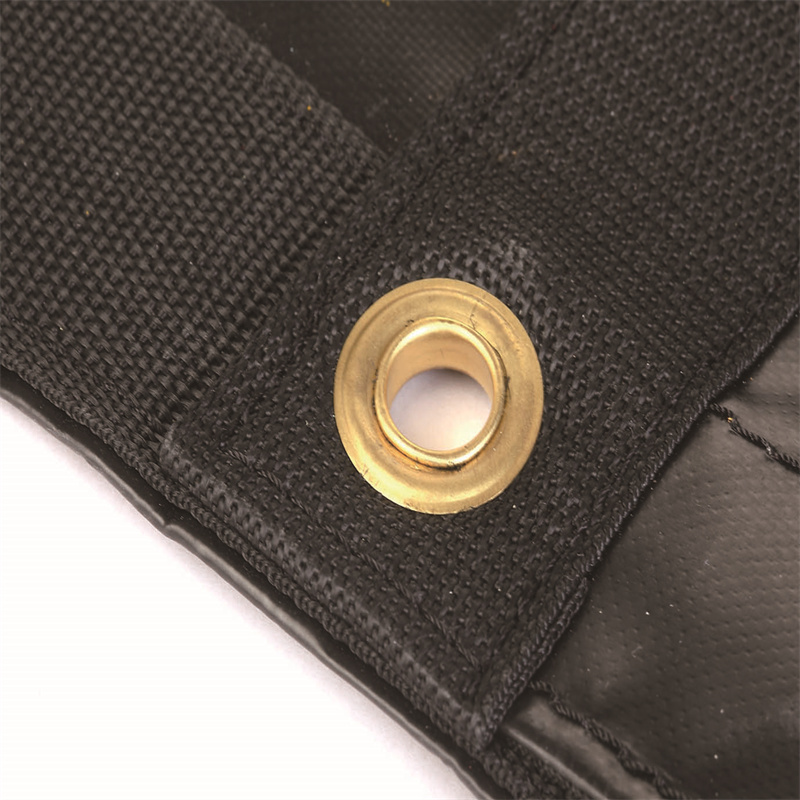
After cutting, the edges of the tarpaulin are hemmed to prevent fraying and to add additional strength. Grommets or other fasteners are then applied to the edges, providing points for securing the tarpaulin in place. These reinforcements are crucial for ensuring the tarpaulin's durability and functionality, especially in demanding applications.
Quality Control and Inspection
● Ensuring Product Consistency
Quality control is a critical aspect of the PVC tarpaulin manufacturing process. Each batch of tarpaulin undergoes rigorous inspection to ensure that it meets the required standards. This includes checking for consistency in thickness, color, and other physical properties. Leading PVC coated tarpaulin suppliers emphasize the importance of strict quality control to maintain their reputation for high-quality products.
● Testing for Strength and Durability
In addition to visual inspections, the tarpaulin is subjected to various tests to assess its strength and durability. These tests include tensile strength, tear resistance, and waterproofing tests, among others. Only after passing these stringent tests is the tarpaulin approved for market release.
Applications of PVC Tarpaulin
● Multifaceted Uses in Various Industries
One of the reasons PVC tarpaulin is so popular is its versatility. It is used in a multitude of industries, including transportation, agriculture, construction, and event organization. Whether it's for truck covers, agricultural liners, or event tents, PVC tarpaulin provides a reliable and durable solution.
● Benefits of Using PVC Tarpaulin
The benefits of using PVC tarpaulin are numerous. It is waterproof, UV resistant, and highly durable, making it suitable for outdoor use. Additionally, it is flexible and can be easily manipulated into various shapes and sizes, adding to its versatility. These properties make PVC tarpaulin an ideal choice for many applications.
Conclusion and Future Trends in Manufacturing
● Summary of the Manufacturing Process
In summary, the manufacturing process of PVC tarpaulin is a complex and meticulous procedure that involves multiple steps. From the initial mixing and melting of raw materials to the final stages of cutting and finishing, each step is crucial for producing a high-quality product. Understanding this process is essential for manufacturers, suppliers, and consumers alike.
● Innovations and Future Developments in PVC Tarpaulin Production
The field of PVC tarpaulin manufacturing is continually evolving, with new innovations and technologies being introduced to improve the quality and efficiency of production. Future trends may include the development of more eco-friendly materials and processes, as well as the introduction of advanced technologies for enhanced product performance. As the industry continues to grow, PVC tarpaulin will remain a vital material for a wide range of applications.
About YATAI
JIAXING YATAI TEXTILE CO., LTD
Yatai Textile covers a production area of 50,000 square meters and possesses two production lines for PVC knife-coated fabric, two calender machines for PVC film, and two production lines for laminating and semi-coating. Equipped with one cutting table measuring 4 meters by 30 meters and four high-frequency welding machines, Yatai can produce tarpaulins in various shapes according to clients' designs. With 300 professional workers dedicated to producing the best quality fabric, Yatai’s PVC fabric rolls now reach a width of 5.1 meters. Our quality standard to make each fabric a premium art never changes.



 Privacy settings