


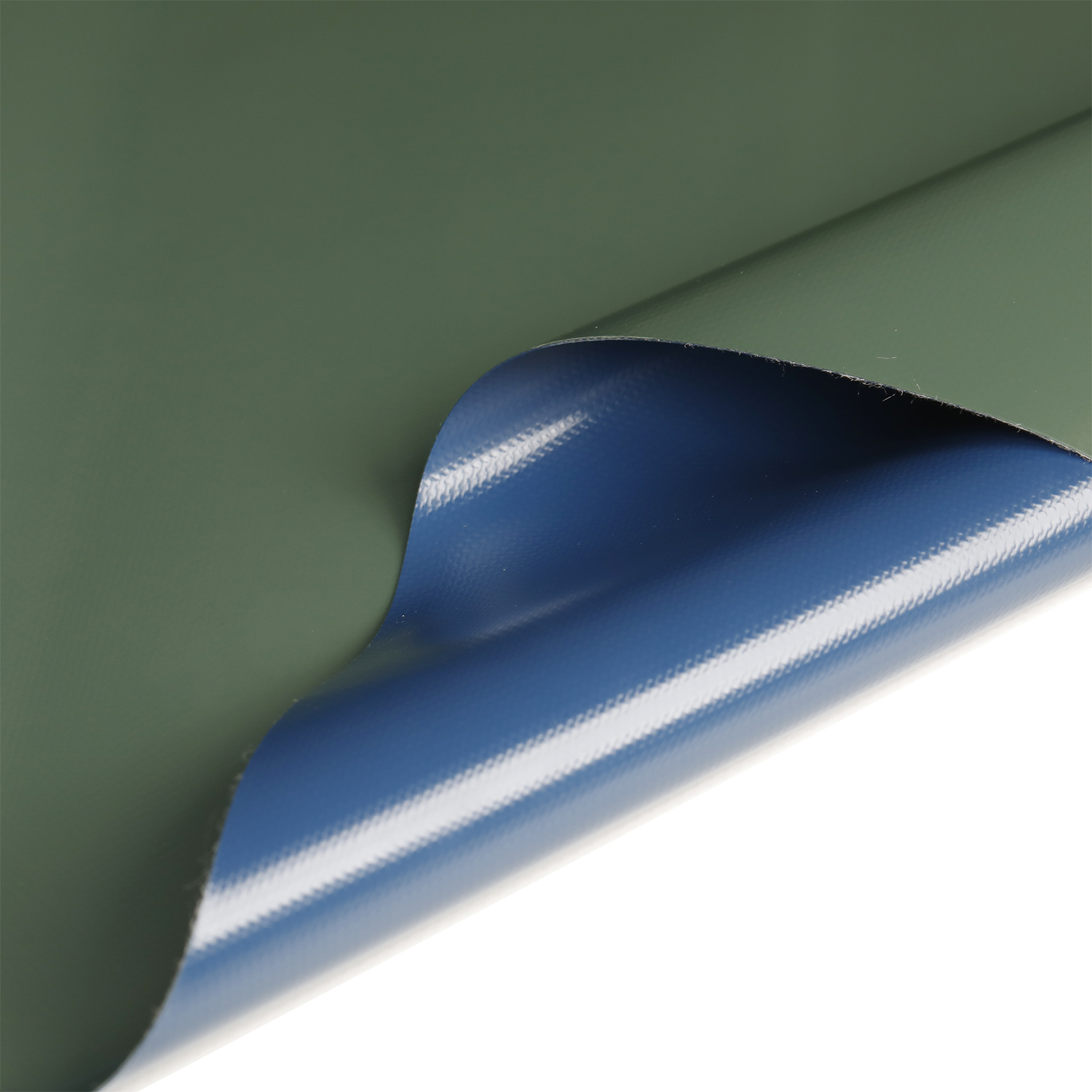
For protective coverings, PVC tarpaulins stand out for their robustness. Crafted from PVC-coated polyester fabric, these covers resist harsh weather with exceptional strength. The secret to their durability lies in the coated polyethylene construction that shields against UV rays and water while preventing mildew.
Vinyl tarps offer superior longevity compared to other materials on the market; they're light yet strong enough for various uses such as agriculture or construction sites where reliable defense from elements and debris is critical. Suppliers and manufacturers deliver solutions tailored across industries when resilience is a top requirement.
Understanding PVC Tarpaulin Durability
PVC tarpaulins, known for their robust build, come from PVC-coated polyester. This material gives them a potent shield against tears and punctures that can occur in rugged settings like construction or industrial work. Vinyl tarps withstand harsh weather without fraying, ensuring they last through heavy use.
Suppliers of these durable covers offer various grades to meet specific demands—thicker options signal greater resilience over time. Those needing reliable protection find vinyl alternatives perfect due to their exceptional toughness. Manufacturers play a key role by using only high-quality materials; this ensures every canvas endures the tests of daily strain and exposure it faces across different environments.
PVC Coated Tarpaulin Composition
PVC-coated tarpaulins combine a robust polyester core with a PVC coating. They resist water, making them ideal for outdoor tasks where dryness matters most. Their build also blocks harmful UV rays, which can degrade less durable materials when left outside under the sun's glare.
Because they're tear-resistant, these tarps stand up to tough conditions in industries like farming and construction that demand resilience against rips or punctures. In addition, their flame resistance ensures safety in environments prone to sparks or flames—critical for workplaces prioritizing fire precautions. Durable by design, well-kept PVC tarps may last about ten years.
These features make them versatile tools across various industrial needs—from shielding machinery to covering boats against weather assaults.
Factors Enhancing Tarp Strength
PVC, a plastic champion for hearty tasks, shines in tarp strength. Think about its use: from tough truck covers to shielding rooftops — it's always the pick when things get rough. Durability gives PVC tarps their clout; they resist tearing under stress without doubt.
Plus, water rolls off with ease thanks to PVC's slick surface that doesn't tease. Wipe away dirt like clearing mist, while canvas traps grime and puts up a fight — not on our watch; we keep maintenance light. Cost-wise too, pockets breathe easy as durability makes every penny worth spent wisely.
Yet minds ponder over green impact too since plastics stir eco-concerns unlike fabric’s softer shoe.
Weather Resistance Explained
For protective coverings, PVC tarpaulins stand out for their resilience to weather. A thick layer shelters goods from rain and blocks damaging sun rays, owing to a specialized polyester base coated with polyvinyl chloride. Its heavy nature means it doesn't tear easily under strain or when battered by wind—qualities essential in truck bed liners and industrial settings where protection is paramount.
Vinyl tarps rival this durability; they resist abrasion while warding off oil and mildew threats. Similarly robust are polyethylene variants; treated for extra strength, these plastics endure severe conditions outdoors without quick wear. For covering that lasts amid harsh climates without fail, vinyl or high-density poly tarps prove best—they're crafted not just to shield but survive over extended periods outside.
Chemical Treatment for Longevity
PVC tarpaulins boast superior waterproofing due to their thick PVC coating. They shield goods and structures, keeping them dry under rain or shine. Such tarps are built tough, handling rough use in various climates without faltering—ideal for long-term setups outdoors.
The versatile nature of these covers marks a leap forward across many fields and outdoor activities worldwide. Now, the Construction Screen Mesh ups the ante in construction safety by replacing old barriers with robust mesh made from polyethylene mixed with UV inhibitors—a formula crafted for endurance and visibility alike. Bear in mind that Tarpaulin Covers not only resist water but also exhibit environmental consciousness—they're recyclable materials free from harmful chemicals.
UV Protection in PVC Tarps
PVC tarps shield well from the sun. Special treatments during manufacturing protect these covers against harsh UV rays that can cause wear over time. These include additives like carbon black, a strong UV ray absorber mixed into the resin before making the tarp.
Clear topcoats with added acrylic or similar substances also prevent solar damage by absorbing radiation on their surface. Some PVC formulations even embed ceramic particles that reflect and scatter sunlight, reducing potential harm to material beneath it. Durably made, high-quality PVC offers more puncture resistance than some alternatives—essential for long-lasting outdoor use where sharp objects are common hazards.
Manufacturing Process and Quality
In PVC tarpaulin creation, precision shapes quality. Makers start by blending additives with raw PVC to boost flexibility and UV blockage. High heat transforms this mix into a film through extrusion: about 200-250°C hot!
Thickness is key; it's tailored using an extruder’s speed plus die size. Next comes calendering where heated rollers press on extra PVC layers for color or patterned looks—making them tough yet flexible coverings ready for anything. Lastly, lamination might kick in, adding strength with fabric bonds while printing adds visual appeal!
Quality here means exact processes ensure strong tarps that survive sun and storm alike.
Supplier Role in Durability Assurance
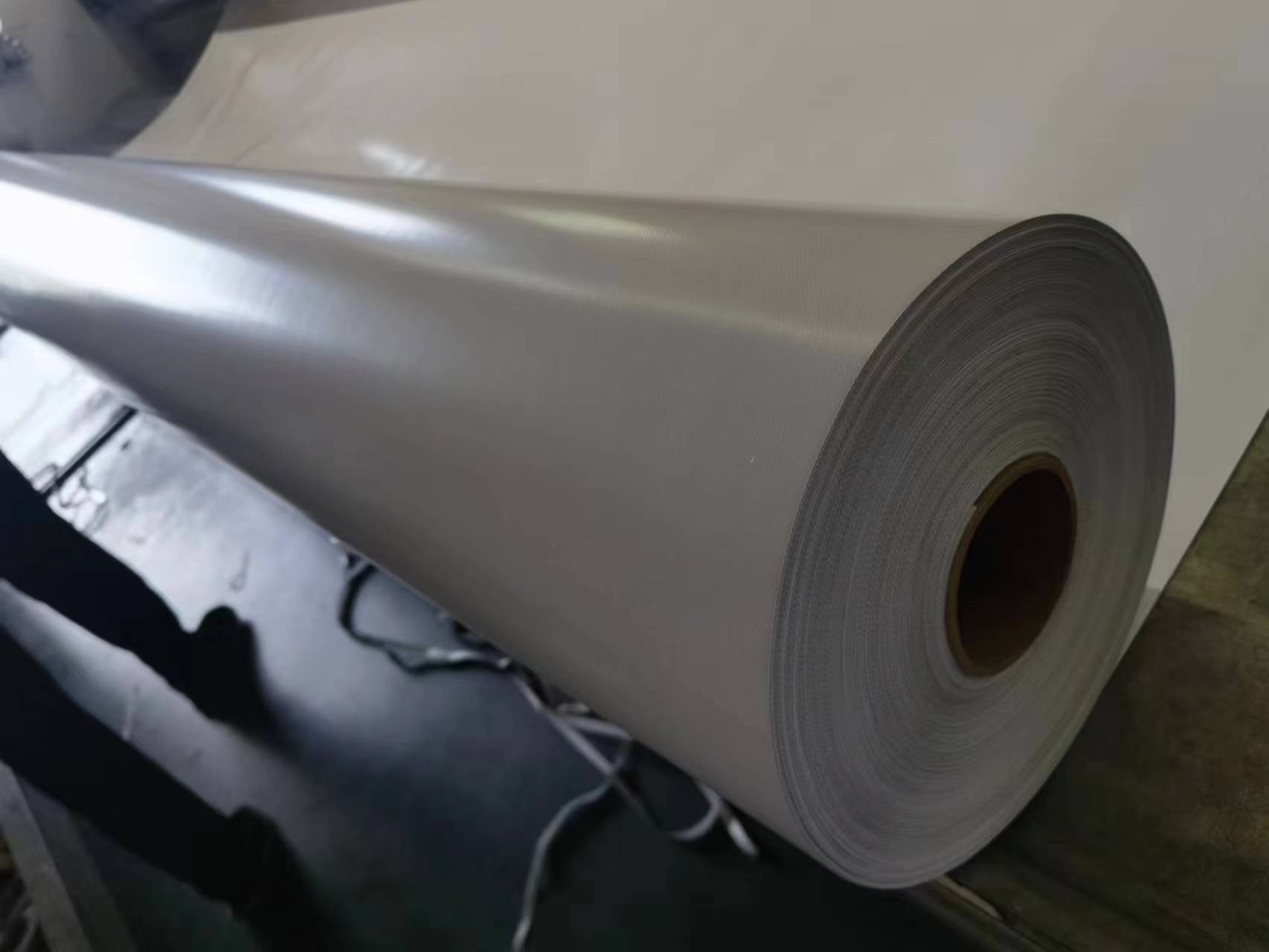
As industries push for growth, suppliers of PVC tarpaulin play a vital role. They work with businesses to meet specific needs. Customization is key; whether it’s size or color, they ensure each roll serves its purpose well.
Quality checks are strict so that the tarps withstand weather and wear. These rolls protect goods in transit and cover crops too. Suppliers keep up with environmental standards by offering recycled materials as options—meeting green goals without losing strength.
Advanced solutions come from these partnerships, shaping how sectors like construction and agriculture will thrive tomorrow—all through tailored service from committed tarp suppliers.
Seam Construction and Reinforcement
In PVC tarpaulins, seams are more than just lines joining pieces together; they're crucial for overall strength. These materials need airtight and watertight seals to withstand harsh conditions outdoors. Manufacturers employ specialized techniques such as heat welding which bonds layers on a molecular level—much stronger than traditional stitching.
Some even use extra tape over these seams, made from the same durable material like 0.52 mm or 0.7mm thickness PVC fabric rated at 650GSM to 850GSM respectively—a practice showing attention to detail and care in ensuring longevity. Every inch matters here. Professionals choose high-grade fabrics with specific GSM ratings that indicate weight and durability.
This meticulous process echoes through every product crafted by reputable suppliers who comprehend such nuances distinguishing mere covers from reliable protective gear built for longevity.
Maintenance Tips for Extended Use
To ensure PVC tarpaulins last longer, store them dry and roll rather than fold to prevent creases which can crack. Clean regularly with mild soap; harsh chemicals degrade material faster. Check for small tears; repair immediately with a proper kit to stop further damage.
Avoid constant exposure to sunlight when not in use as UV rays weaken the fabric over time despite built-in protection. Secure tightly during application since flapping in the wind causes stress at points of attachment leading to wear or tear that could compromise its waterproof effectiveness. Proofread by: [Your Name], Business blogger with extensive experience.
Eco-Friendly Disposal of PVC Tarps
When it comes time to dispose of PVC tarps, recycling is the key. Specialized facilities manage this process because regular recyclers can't handle their complex makeup. First, these centers strip out harmful components embedded in the tarp material.
Then they grind up what's left into small pieces that serve as raw materials for new products; this step prevents usable resources from ending up in landfills and reduces environmental harm significantly compared to other disposal methods. Within eco-conscious businesses today, such practices reflect a strong commitment to sustainability by turning waste into worth while conserving energy and shrinking carbon footprints - crucial aspects when honoring our planet's health for future generations.
YATAI TEXTILE's PVC-coated tarpaulins are a tough choice for auto parts packaging. These tarps resist tears, weather, and chemicals with ease due to their robust vinyl construction. Long-lasting and reliable, they prove ideal in safeguarding components during transportation or storage.
Customers trust this material for its long-term durability – an essential quality where protecting valuable goods is key. YATAI TEXTILE’s commitment to excellence shines through these high-grade tarpaulins that excel in both performance and longevity.




 Privacy settings