


Introduction to truck tarpaulins: Significance and Basics
Truck tarpaulins, or tarps, play a vital role in the transportation industry by ensuring the safe and secure transport of goods. These coverings are not merely basic protection; they are engineered solutions designed to meet the demands of different cargo types and environmental conditions. Whether used by a manufacturer, factory, or supplier, tarpaulins are integral in maintaining efficient logistical operations.
Enhancing Road Safety: Preventing Debris Spillage
One of the primary functions of truck tarpaulins is to prevent loose materials from spilling out onto the roads. This is crucial in reducing potential road hazards caused by debris. A report highlights that road debris is responsible for approximately 25,000 accidents annually, underscoring the importance of secure tarping systems.
Securing Loose Materials
Tarpaulins are designed to contain and secure loose loads such as gravel, sand, or construction materials. By doing so, they mitigate the risk of accidents caused by materials falling onto the road, which can lead to vehicle damage and personal injuries.
Aerodynamic Benefits: Reducing Wind Drag
Wind drag is a significant factor affecting fuel efficiency and load stability during transit. By utilizing tarpaulins, the aerodynamic profile of trucks can be optimized, leading to substantial fuel savings.
Improving Fuel Efficiency
Tarpaulins reduce wind resistance, which, according to studies, can improve fuel efficiency by up to 10%. This not only results in lower operational costs for manufacturers and suppliers but also contributes to reduced environmental emissions.
Compliance with Regulations: Legal Necessities
Adhering to state and federal regulations regarding load security is non-negotiable. Tarpaulins ensure compliance with these standards, thereby avoiding penalties and enhancing contract credibility.
Legal Standards in Load Transport
Many regions mandate the use of tarpaulins for certain types of cargo. Compliance with these regulations is essential for factories and suppliers to operate legally and safely. Furthermore, using tarpaulins aligns with broader road safety initiatives.
Weather Protection: Guarding Against Environmental Elements
Weather conditions can severely affect the integrity of transported goods. Tarpaulins provide a protective barrier against rain, sun, and wind, safeguarding the cargo from damage.
Protection Against Rain and UV Radiation
Waterproof tarpaulins prevent water ingress, protecting goods from rain damage. Additionally, UV-resistant tarpaulins guard against sun exposure, which can degrade materials over time. This is particularly important for manufacturers and suppliers dealing with sensitive materials.
Material Technology: Durability and Versatility
The effectiveness of a tarpaulin largely depends on its material composition. Advanced fabrics have been developed to enhance durability while maintaining flexibility.
High-Performance Fabrics
Heavy-duty fabrics, such as those used in tarpaulins, are engineered to withstand the rigors of transportation. These materials offer superior tear resistance and longevity, making them a reliable choice for frequent use by factories and suppliers.
Load Security: Minimizing Theft and Damage Risks
Beyond weather and road hazards, tarpaulins also play a critical role in reducing the risk of theft and damage during transit.
Ensuring Secure Transport
Properly secured tarpaulins reduce the visibility of the cargo, thereby deterring potential theft. Additionally, by keeping the load tightly covered, the risk of damage from other environmental factors is minimized.
Efficiency in Transportation: Reducing Traffic Congestion
Efficient use of tarpaulins can lead to optimized load sizes, reducing the frequency of trips and, consequently, traffic congestion.
Maximizing Load Capacity
By securely covering larger volumes of cargo, tarpaulins allow for maximal use of transport capacity. This efficiency benefits manufacturers, factories, and suppliers by reducing logistical costs and enhancing productivity.
Safety Practices: Best Strategies for Tarp Application
Applying tarpaulins safely is essential to prevent accidents and ensure load security. Proper training and adherence to best practices are vital for effective tarpaulin usage.
Implementing Safe Practices
- Use mechanical aids, such as tarping systems, to avoid the need for climbing onto loads.
- Conduct regular inspections to ensure the integrity of tarpaulin materials and fastenings.
- Ensure comprehensive training for staff on safe tarping techniques.
Environmental Considerations: Promoting Sustainability
In addition to safety and efficiency, tarpaulins contribute to environmental sustainability by reducing waste and emissions.
Eco-Friendly Materials
Choosing tarpaulins made from recyclable or sustainable materials can significantly reduce the environmental footprint of transportation operations for manufacturers and suppliers.
Yatai Textile Provide Solutions
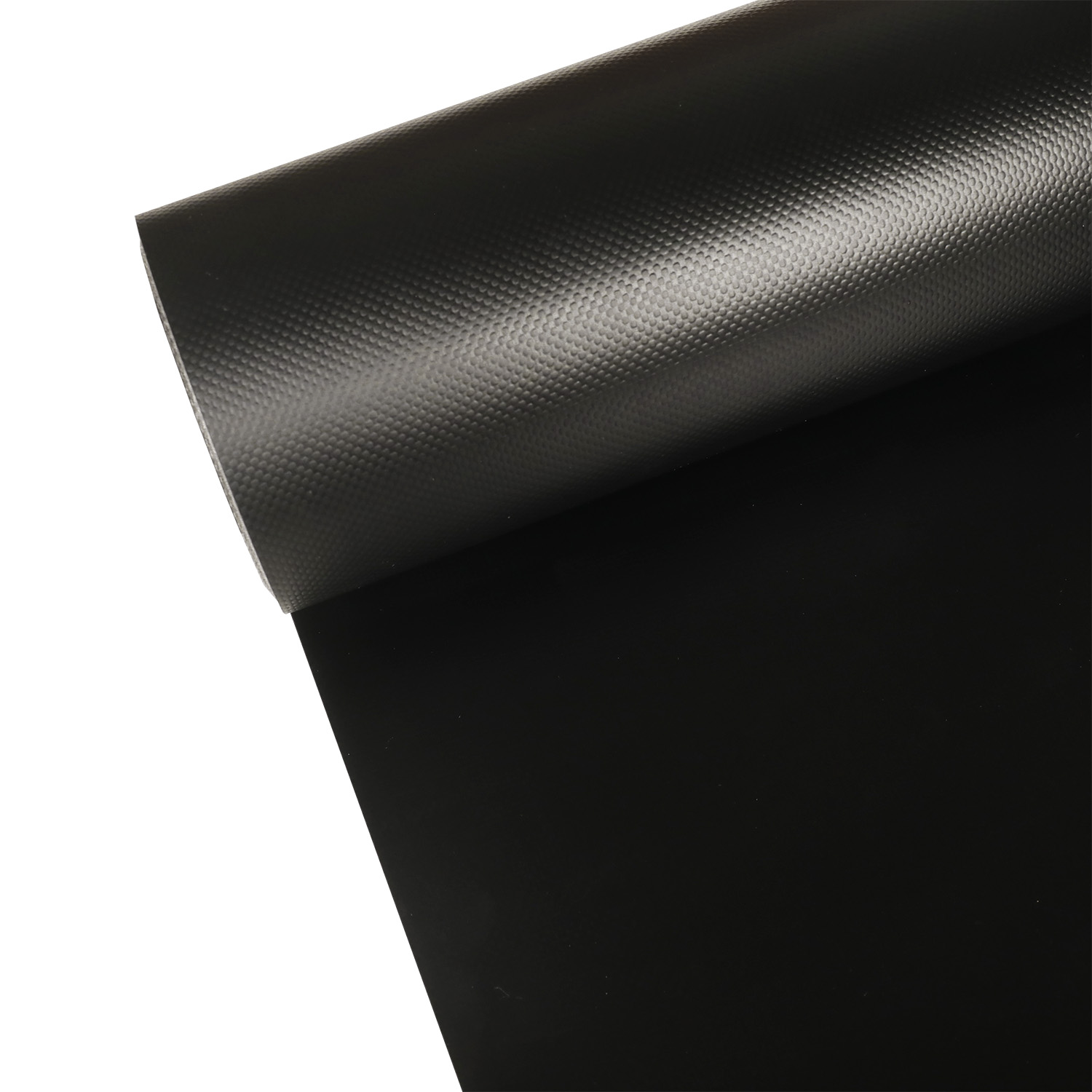
Yatai Textile offers innovative tarpaulin solutions tailored to meet the diverse needs of manufacturers, factories, and suppliers. Our products are designed to ensure optimal safety and efficiency, combining advanced materials with cutting-edge design. Choose Yatai Textile for durable and reliable tarpaulin solutions that enhance load safety while promoting environmental sustainability. Trust in our expertise to deliver the protection and performance your transportation operations require.




 Privacy settings