


Introduction to pvc coated tarpaulin Durability
When it comes to protective materials, few offer the versatility and resilience of PVC coated tarpaulin. This article explores the durability of PVC coated tarpaulin, a key factor in its widespread use across various industries. Understanding its composition and resilience is crucial for anyone seeking reliable material for outdoor applications, industrial uses, and more. From construction sites to camping grounds, the demand for durable and reliable cover solutions has led many to turn to PVC coated options. Whether you are a PVC coated tarpaulin manufacturer, a supplier, or a consumer, appreciating the durability of this material is essential.
Material Composition and Strength
● Breakdown of PVC Coating
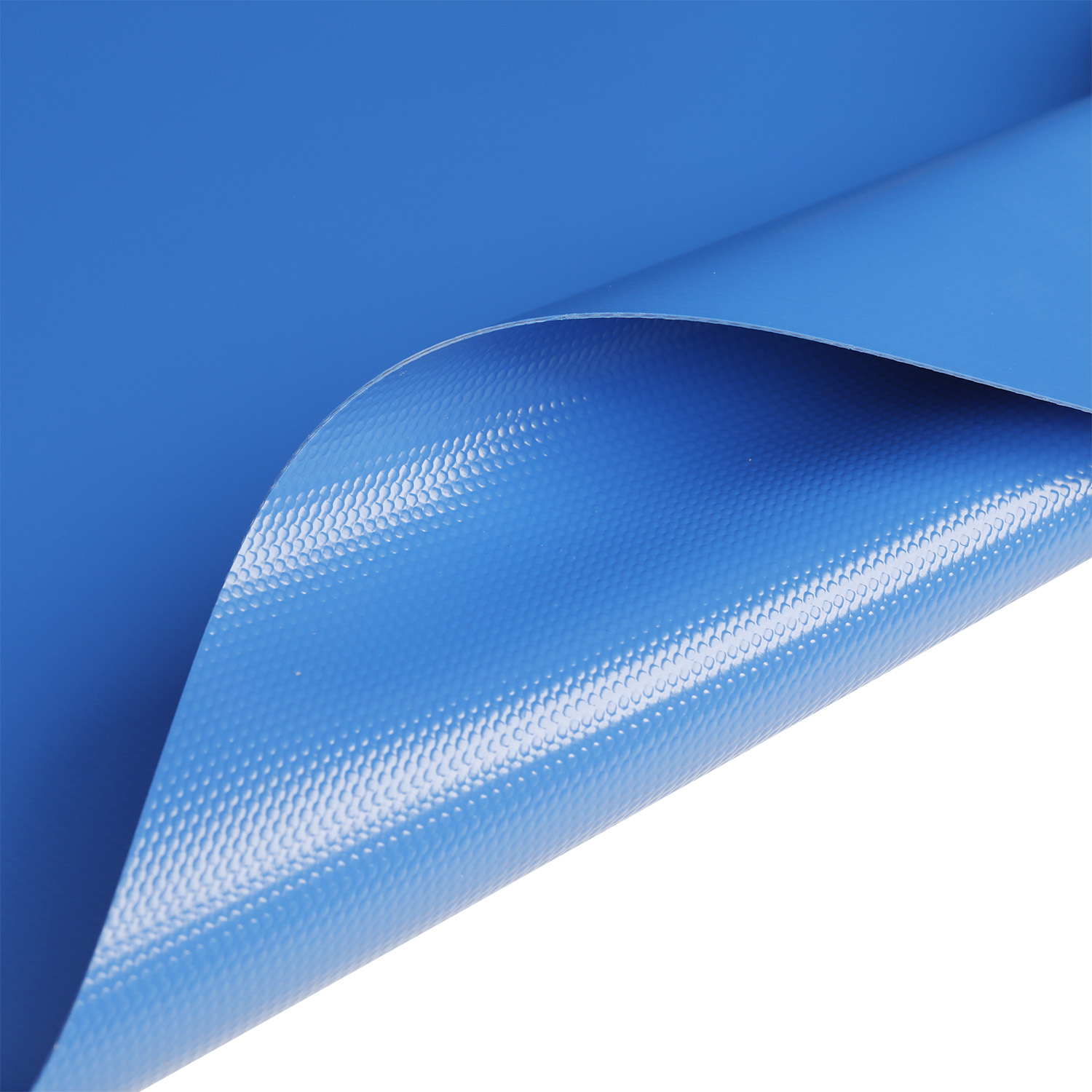
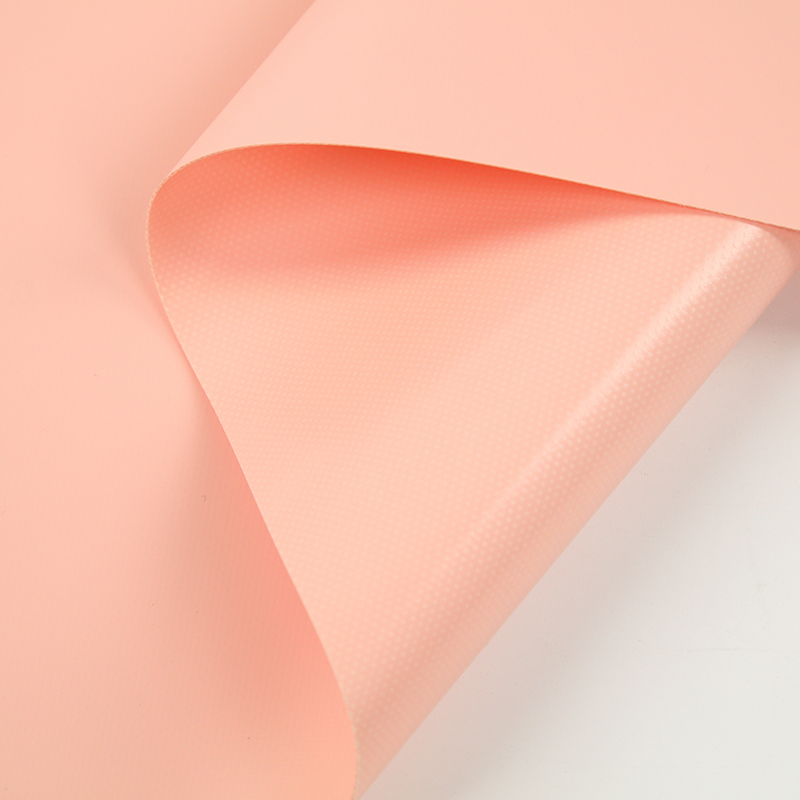
PVC, or polyvinyl chloride, is a type of plastic known for its robustness and flexibility. In the case of PVC coated tarpaulin, a layer of PVC is applied to a textile base, usually polyester. This coating process significantly enhances the material's tensile strength, making it resistant to tearing and stretching. The combination of PVC and a strong fabric base results in a composite material that is both tough and versatile, suitable for a range of demanding environments.
● How Material Enhances Durability
The durability of PVC coated tarpaulin is largely due to its composition. The PVC layer acts as a protective barrier against a variety of environmental stressors, including UV rays, water, and wind. Furthermore, the high-quality polyester base fabric provides additional mechanical strength. This integration of materials ensures that the tarpaulin maintains its integrity even under heavy use, making it a popular choice for industries that require long-lasting materials.
Weather Resistance Capabilities
● Performance in Extreme Hot and Cold Weather
One of the most significant advantages of PVC coated tarpaulin is its ability to withstand extreme weather conditions. Unlike some materials that warp or degrade when exposed to high temperatures, PVC coated tarpaulins remain stable and retain their physical properties. Similarly, in cold climates, these tarpaulins do not become brittle, ensuring they provide reliable performance regardless of the temperature.
● Resistance to UV Radiation
Ultraviolet (UV) radiation from the sun can cause many materials to degrade over time. However, PVC coated tarpaulin has a built-in resistance to UV rays, which helps to maintain its color and structural integrity. This UV resistance is particularly beneficial for outdoor applications where prolonged sun exposure is inevitable. It ensures that the material remains durable and effective over extended periods.
Waterproof and Moisture Barrier Properties
● Prevention of Water Penetration
A primary feature of PVC coated tarpaulin is its waterproof nature. The PVC coating creates an impermeable layer that prevents water from penetrating the fabric. This makes it ideal for applications where moisture resistance is crucial, such as in boat covers, pond liners, and outdoor tents. By preventing water ingress, PVC coated tarpaulin protects the underlying surfaces and contents from damage.
● Mold and Mildew Resistance
In addition to being waterproof, PVC coated tarpaulin is resistant to mold and mildew growth. The material's surface does not retain moisture, which inhibits the growth of these fungi. This feature not only helps in maintaining the tarpaulin's appearance but also extends its lifespan by preventing the deterioration that mold and mildew can cause.
Resistance to Chemicals and Abrasions
● Chemical Spill Resilience
PVC coated tarpaulin is designed to withstand exposure to various chemicals, making it suitable for use in industrial environments where chemical spills might occur. Its surface can repel many common chemicals, reducing the risk of damage and increasing the material's longevity.
● Abrasion Resistance Features
In demanding environments, materials are often subject to wear and tear. PVC coated tarpaulin is known for its abrasion resistance, which ensures that it remains intact even when in contact with rough surfaces. This durability makes it an excellent choice for applications such as truck covers and industrial curtains, where surfaces regularly experience friction.
Longevity and Lifespan Expectations
● Factors Contributing to Long Service Life
The longevity of PVC coated tarpaulin is affected by several factors, including its manufacturing quality, the thickness of the PVC coating, and the care taken during use. High-quality materials from reputable PVC coated tarpaulin manufacturers and suppliers tend to offer better durability and a longer service life. Additionally, thicker coatings provide enhanced protection against environmental factors, contributing to the material's robustness.
● Maintenance Tips for Enhancing Longevity
To maximize the lifespan of PVC coated tarpaulin, regular maintenance is recommended. This includes cleaning the surface to remove dirt and debris, checking for signs of wear, and repairing any damages promptly. By following these steps, users can ensure that their tarpaulin continues to perform effectively for years.
Comparison with Other Tarpaulin Materials
● PVC Coated vs. Polyethylene Tarpaulins
While polyethylene tarpaulins are popular for their affordability, PVC coated tarpaulins offer superior durability and resistance to weather and chemicals. PVC tarps tend to last longer, especially in harsh environments, making them a more cost-effective long-term investment than their polyethylene counterparts.
● Advantages Over Canvas and Vinyl Tarps
Compared to traditional canvas and vinyl tarps, PVC coated tarpaulins provide enhanced waterproofing and UV resistance without the excessive weight. Canvas tarps, while sturdy, can absorb water and are more prone to mold growth. Vinyl tarps, though similar, may not offer the same level of chemical resistance as PVC coated options.
Application-Specific Durability Requirements
● Industrial and Construction Uses
In the construction industry, durability is crucial. PVC coated tarpaulins are frequently used as temporary structures, scaffolding covers, and ground sheets. Their ability to withstand harsh conditions and provide protection under challenging circumstances makes them ideal for these applications.
● Outdoor and Camping Applications
For outdoor enthusiasts, PVC coated tarpaulins offer a reliable option for tents, canopies, and ground covers. Their lightweight nature, combined with exceptional durability and weather resistance, ensures that they can be used repeatedly without degradation, even after prolonged exposure to the elements.
Environmental and Sustainability Considerations
● Recyclability of PVC Coated Tarpaulins
Environmental impact is a growing concern in material selection. While PVC is a plastic, many manufacturers are developing recycling programs to reduce waste. PVC coated tarpaulins can be recycled into new products, making them a more sustainable choice than some alternatives.
● Eco-friendly Innovations in Production
Manufacturers are also innovating to produce PVC coated tarpaulins using eco-friendly methods. By adopting cleaner production techniques and using sustainable resources, the industry is working towards reducing the environmental footprint of PVC tarpaulin production, meeting both industry demands and environmental responsibilities.
Conclusion and Future Durability Innovations
● Summary of Key Durability Features
PVC coated tarpaulins are a benchmark for durability, favored for their resistance to weather, water, chemicals, and abrasions. Their robust nature, combined with versatile applications, make them essential for industries seeking reliable cover solutions. The combination of material strength, adaptability, and longevity positions PVC coated tarpaulins as a trusted choice.
● Emerging Trends in Tarpaulin Durability Technology
Looking ahead, the future of PVC coated tarpaulin lies in continued innovation. Advances in material science may lead to even more durable versions, incorporating smart technology for enhanced performance. As demands evolve, these tarpaulins will likely become more sustainable, meeting the growing need for eco-friendly durable goods.
About Yatai Textile
Yatai Textile is a leader in developing and manufacturing innovative composite PVC coated fabrics, specializing in construction, transportation, architecture, and outdoor equipment applications. Covering a production area of 50,000 square meters, Yatai Textile boasts state-of-the-art facilities and equipment from Germany and South Korea. With a strong focus on quality and sustainability, Yatai excels in producing premium PVC coated fabrics, serving a global market across over 100 countries. Known for their commitment to excellence, Yatai Textile continues to push the boundaries of the industry, ensuring superior performance and customer satisfaction.





 Privacy settings