


NO1. Light weight, easy to fold, easy to carry and operate;
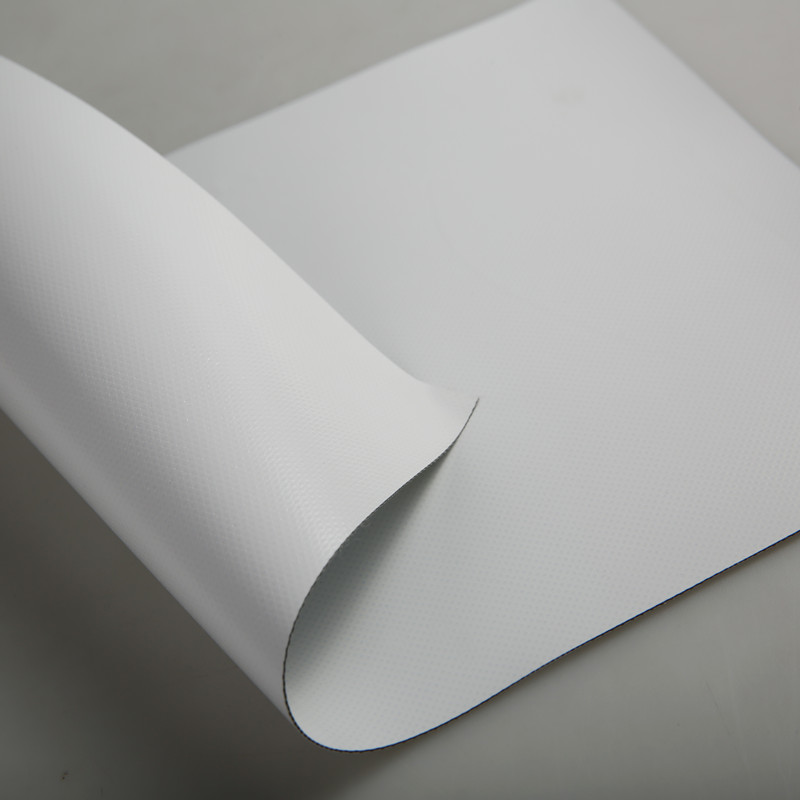
Lightweight is the current development trend of the construction industry. Conventional new PVC materials have various specifications such as 650g/㎡; 750g/㎡; 850g/㎡. It is very suitable for the requirements of quick disassembly and assembly of prefabricated buildings.
NO2. High strength, wear resistance, long service life;
PVC new material is not only light in weight, but also has a long service life. Generally, the conservative service life of a new PVC tarpaulin is about 10 years.
NO3. Good waterproof performance and air permeability, anti-condensation inside;
There must be a temperature difference between the indoor and outdoor of the building. High-quality PVC new materials can have good waterproof and air permeability, which can effectively reduce the condensation water effect. In winter or cold places, insulation cotton can be added.
NO4. Acid and alkali resistance, mildew resistance and corrosion resistance;
A variety of environmentally friendly chemical additives are added to the new PVC material, which has good acid and alkali resistance, mildew resistance, and corrosion resistance.
NO5. Good weather resistance, flame retardant and fire prevention;
PVC new tarpaulins have passed the B1 and M2 fire rating tests.
NO6. No wicking effect, no moisture conduction phenomenon.
The inner moisture-proof design, the tarpaulin is moisture-proof and mildew-proof, and the touch is smooth and bright.
The air permeability of the pvc tarpaulin must be considered, especially the military tent fabric. The factors affecting the air permeability include the structure, density, material, type of waterproof finishing agent, and the amount of resin adhesion of the base fabric. As the amount of resin adhesion increases, the air permeability of the tarpaulin decreases. Of course this is related to the finishing agent used. Generally, most air-permeable tents are made of short-fiber fabrics such as cotton, vinylon, and lacquer treated with paraffin or acrylic resin.
 |
 |



 Privacy settings