


Introduction to PVC Coated Fabric
In the ever-evolving world of outdoor equipment, durability remains a primary concern for both manufacturers and consumers. Tents, in particular, are subject to a range of environmental stresses that demand robust materials. One solution that has gained significant traction is the use of PVC coated fabric. This material, renowned for its resilience and versatility, plays a crucial role in enhancing the durability of tents.
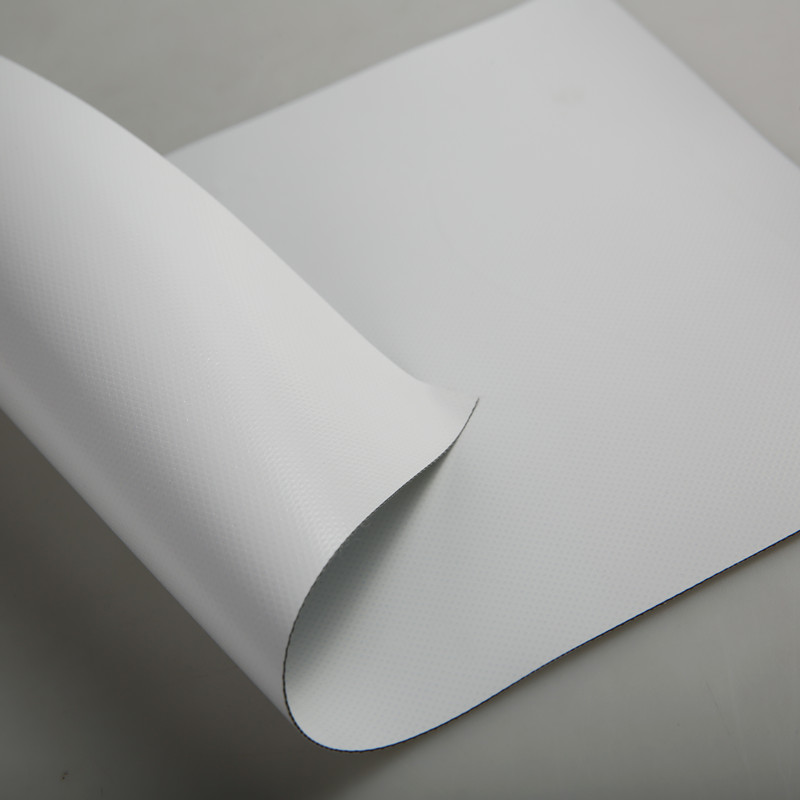
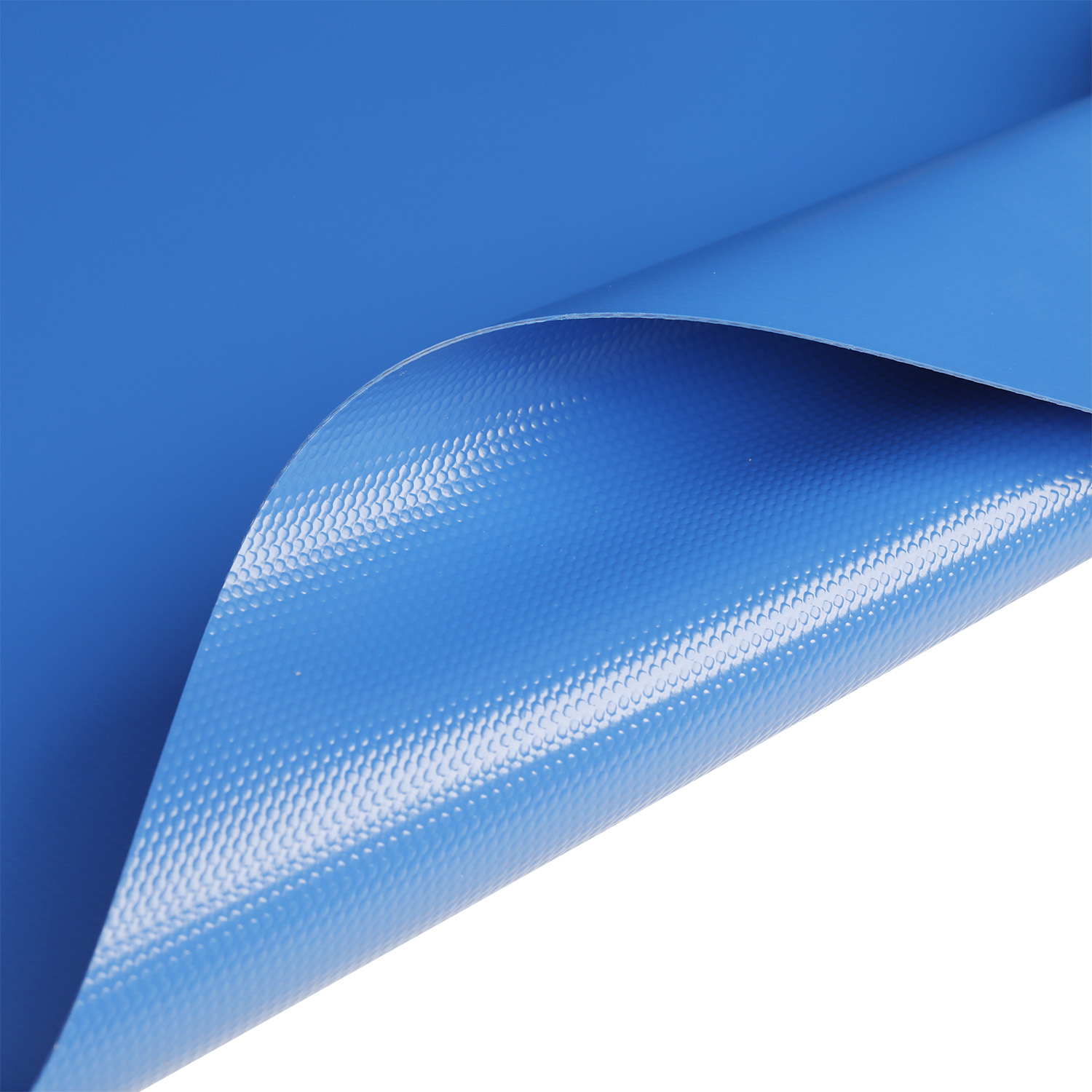
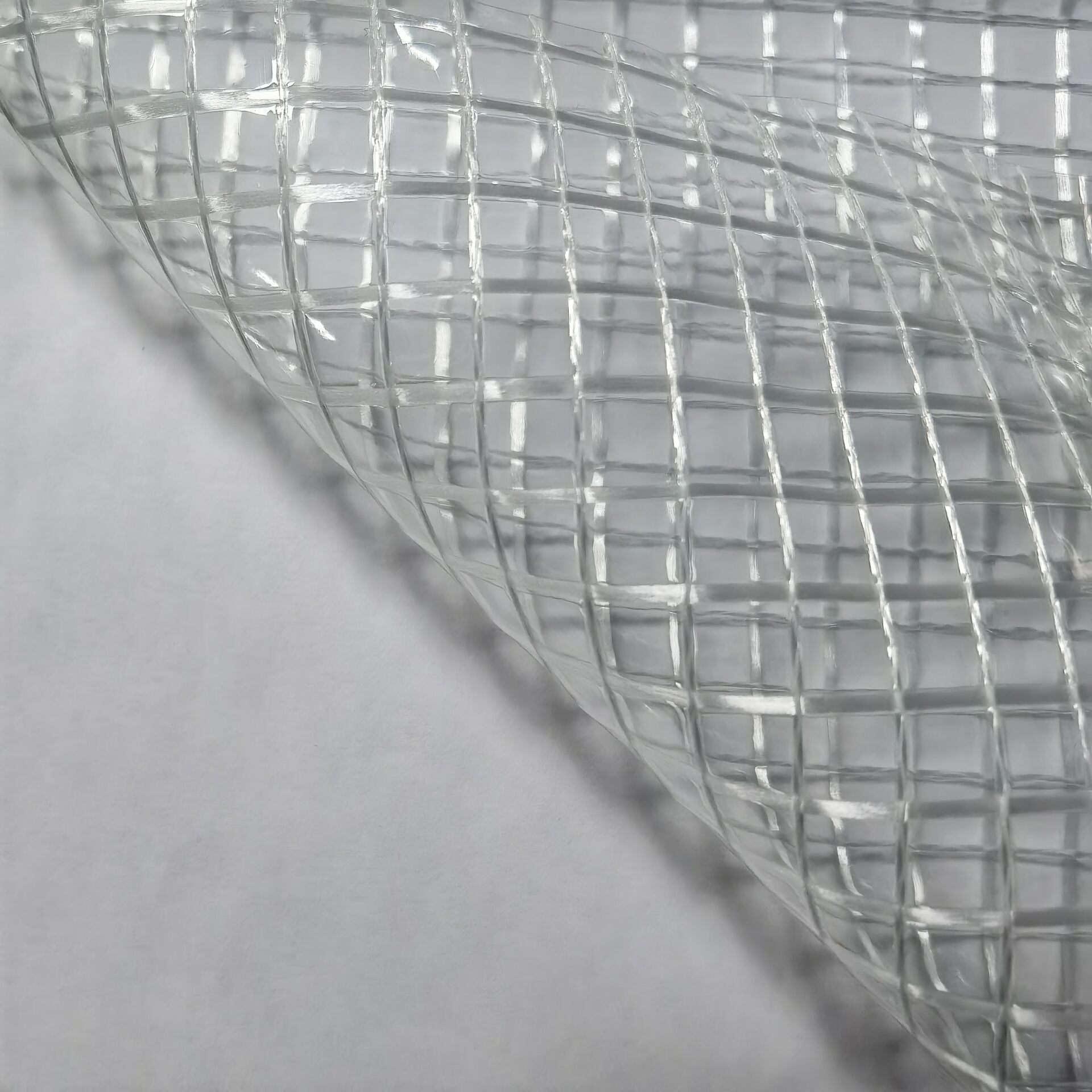
PVC, or polyvinyl chloride, is a type of plastic that, when applied as a coating on fabrics such as polyester or nylon, endows them with enhanced protective properties. This PVC coating is known for its exceptional water resistance, UV protection, and overall durability. It has become a staple in the fabrication of high-performance tents used for everything from commercial events to extreme outdoor adventures.
As we dissect the properties and benefits of PVC coated fabric, it's important to recognize its pivotal role in the advancement of tent technology. The subsequent sections will explore how PVC coated fabric stands out as a key material in ensuring tents' longevity and reliability.
Properties of PVC Coated Fabric
● Water Resistance
One of the defining characteristics of PVC coated fabric is its superior water resistance. Unlike untreated materials, PVC coated fabrics act as an effective barrier against water ingress, making them ideal for outdoor applications where exposure to rain and moisture is inevitable. This feature not only keeps the interior of the tent dry but also ensures that the fabric itself does not degrade over time due to water exposure.
● UV Protection
The damaging effects of ultraviolet (UV) rays on fabric integrity and color are well-documented. PVC coated fabric offers substantial UV protection, preventing degradation and maintaining the tent’s aesthetic appeal over time. This feature is especially crucial for tents used in environments with high sun exposure, where UV rays can cause significant deterioration.
● Flexibility and Lightweight Nature
Despite its robustness, PVC coated fabric is remarkably flexible. This flexibility allows tents to be easily packed and transported, a critical feature for users who need mobility without sacrificing durability. Furthermore, the lightweight nature of PVC coated fabrics contributes to the overall ease of handling, making them a preferred choice for both backpackers and large-scale event organizers.
Enhancing Durability through Abrasion Resistance
● Impact of Abrasive Environments
Tents are often exposed to abrasive environments, whether it’s from rough terrains, strong winds, or continual setup and takedown. Abrasion can lead to wear and tear, compromising the tent's structural integrity. PVC coated fabric addresses this issue excellently by providing a tough, resilient surface that withstands these abrasive forces.
● Long-term Durability Benefits
The longevity of PVC coated fabrics extends beyond mere resistance to abrasion. These fabrics maintain their integrity over extended periods, reducing the need for frequent replacements. This long-term durability is not just a cost-saving advantage but also an environmental benefit, as it minimizes waste.
Protection Against Tears and Punctures
● Common Causes of Tears in Tents
Tears and punctures are common issues faced by tent users, often caused by sharp objects, strong winds, or improper handling. Such damages can render a tent unusable unless promptly repaired.
● How PVC Coating Reduces Tear Risks
The application of PVC coating significantly mitigates the risk of tears and punctures. The coating adds an extra layer of protection, effectively increasing the fabric’s tensile strength. This resilience ensures that even when subjected to stress, the fabric holds firm, maintaining the tent's functional integrity.
Weather Resistance and Durability
● Performance in Extreme Weather Conditions
Tents are designed to provide shelter, a role that becomes critical in extreme weather conditions. PVC coated fabrics excel in such scenarios, providing a robust barrier against rain, wind, and temperature fluctuations.
● Resistance to Temperature Fluctuations
PVC coated fabric exhibits minimal expansion and contraction in response to temperature changes. This stability ensures that tents remain taut and structurally sound in both hot and cold conditions, eliminating the risk of damage due to material deformation.
Fire Retardancy and Safety
● Importance of Fire-resistant Materials
Safety is a paramount concern, particularly for tents used in public events or camping scenarios. The material’s flammability can pose significant risks.
● Role of PVC Coating in Fire Retardancy
PVC coated fabric often complies with international fire retardancy standards, providing an added layer of safety. In the event of a fire, these fabrics help slow down the spread of flames, allowing occupants more time to evacuate and reducing the risk of widespread damage.
● Effects of UV on Untreated Fabrics
UV exposure can cause untreated fabrics to fade and weaken, impacting both the appearance and function of the tent.
● How PVC Coating Prevents Fading
The inherent UV protection of PVC coated fabrics ensures that colors remain vibrant and fabrics stay strong, even after prolonged sun exposure. This feature is essential for maintaining the tent’s aesthetic and structural integrity.
Maintenance and Lifespan
● Ease of Cleaning PVC Coated Fabrics
Maintenance is a critical factor in extending the life of any product, and tents are no exception. PVC coated fabrics are notably easy to clean, requiring only minimal effort to remove dirt and debris. This ease of maintenance ensures that the tents remain in optimal condition over the years.
● Impact on the Lifespan of Tents
Regular cleaning and low maintenance requirements translate to a longer lifespan for tents made from PVC coated fabrics. By preventing the accumulation of dirt and potential degradation, these fabrics ensure that the tent remains functional for an extended period, offering excellent value for the investment.
Cost-effectiveness in the Long Run
● Initial Cost Versus Long-term Savings
While PVC coated fabrics may have an upfront cost, their long-term benefits far outweigh the initial investment. The durability and low maintenance requirements lead to reduced costs over time, as users face fewer replacements and repairs.
● Reduced Need for Frequent Replacements
The robust nature of PVC coated fabrics means that they withstand wear and tear better than many alternatives. This longevity means customers save money by not having to replace their tents frequently, making PVC coated fabrics an economically sound choice.
Conclusion: PVC Coated Fabric in Future Tents
● Innovations in PVC Coating Technology
As technology advances, so too does the potential of PVC coated fabrics. Innovations aimed at enhancing durability, flexibility, and environmental friendliness continue to emerge, promising even better performance for the tents of the future.
● Future Trends in Outdoor Gear Durability
The trend towards durable, long-lasting materials in outdoor gear is set to continue, with PVC coated fabrics at the forefront. These materials offer the ideal blend of strength, flexibility, and affordability, making them a staple in both consumer and commercial applications.
Introducing Yatai Textile
Yatai Textile develops and manufactures innovative composite PVC coated fabrics for construction, transportation, architecture, and outdoor equipment applications. With a production area of 50,000 square meters, Yatai Textile possesses cutting-edge production capabilities, including PVC knife coating and calender machines. Renowned for quality, Yatai produces premium PVC fabrics up to 5.1 meters wide, serving diverse global markets. Specializing in PVC coated fabrics, TPU tarpaulin, and more, Yatai Textile is a recognized leader in technical textiles, committed to pushing the boundaries of material innovation.



 Privacy settings