


Truck tarpaulins are essential equipment for protecting goods during transportation. They provide a sturdy, weatherproof cover for truck loads, ensuring that cargo remains intact and unspoiled regardless of weather conditions. Understanding the materials used in truck tarpaulins can help businesses and logistics professionals make informed decisions about the best types of tarpaulins for their needs. In this article, we will delve into the various materials used in truck tarpaulins, focusing on polyethylene and polyvinyl chloride (PVC). This comprehensive guide will provide insights on their properties, applications, benefits, and environmental impacts.
Introduction to Truck Tarpaulins
● Importance in Logistics
Truck tarpaulins play a crucial role in the logistics and transportation industries. They are indispensable for protecting goods from environmental factors such as rain, wind, and sunlight. By ensuring that the cargo remains dry and secure, truck tarpaulins help prevent significant financial losses due to damaged goods. Moreover, truck tarps contribute to road safety by securing loads, preventing them from shifting during transit.
● Overview of Materials Used
The materials used in truck tarpaulins are specifically chosen for their durability, strength, and weather resistance. The most common materials include polyethylene (PE) and polyvinyl chloride (PVC), each offering unique benefits that make them suitable for various applications. Understanding these materials and their properties is essential for selecting the right tarp for specific transportation needs.
Polyethylene as a Tarpaulin Material
● Properties of Polyethylene
Polyethylene is one of the most widely used plastics globally, prized for its flexibility, toughness, and chemical resistance. It is available in different forms, including low-density polyethylene (LDPE) and high-density polyethylene (HDPE), each with specific characteristics that make them suitable for various applications.
LDPE is known for its flexibility and resilience, while HDPE is valued for its strength and resistance to impact. Both forms of polyethylene are commonly used in the production of poly tarps, providing a reliable and cost-effective solution for protecting truck loads.
● Applications and Benefits
Polyethylene tarpaulins are highly versatile and used in various industries, including agriculture, construction, and transportation. Their lightweight yet durable nature makes them ideal for covering goods on trucks, as they can withstand harsh weather conditions without adding significant weight to the load.
The benefits of using polyethylene tarps include:
- Waterproofing: Polyethylene tarps are 100% waterproof, ensuring that cargo remains dry even in heavy rain.
- Chemical Resistance: These tarps can resist various chemicals, making them suitable for transporting chemical goods.
- Affordability: Polyethylene tarps are generally more affordable than other materials, offering a cost-effective solution for businesses.
Polyvinyl Chloride (PVC) in Tarpaulins
● Key Characteristics of PVC
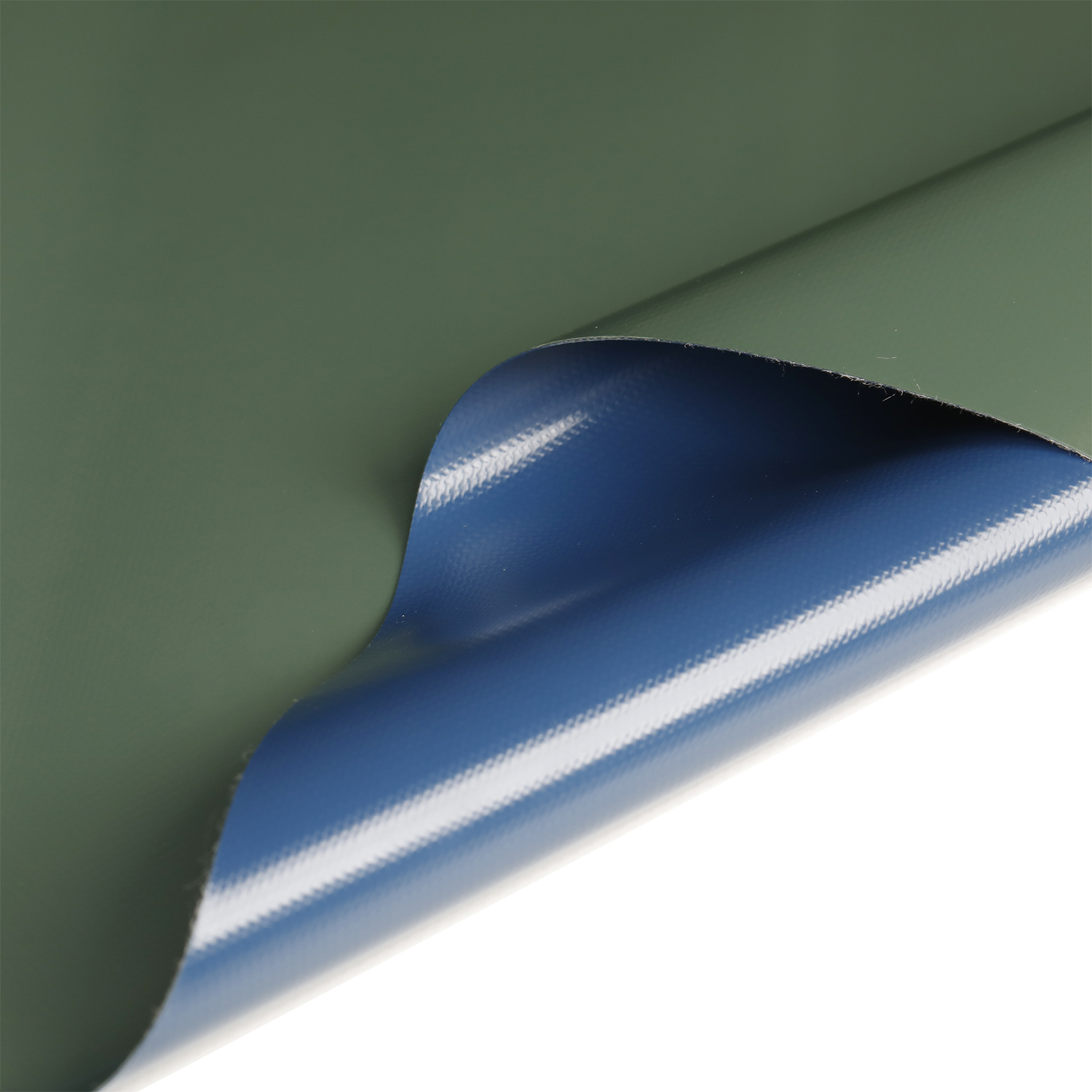
Polyvinyl chloride (PVC) is another popular material used in the manufacturing of truck tarpaulins. PVC tarps are known for their exceptional durability, flexibility, and resistance to environmental factors. They are often reinforced with polyester or nylon fabric to enhance their strength and longevity.
PVC is inherently flame retardant and offers excellent resistance to UV radiation, making it an ideal choice for outdoor applications. The material's flexibility allows it to be easily shaped and welded, providing a secure and custom fit for truck covers.
● Why PVC is Popular for Tarpaulins
PVC tarpaulins are favored for several reasons:
- Durability: PVC tarps can withstand harsh weather conditions, including extreme temperatures, without degrading.
- UV Resistance: The material's resistance to UV radiation prevents it from becoming brittle or discolored over time.
- Flame Retardancy: PVC tarps are inherently flame retardant, providing an added layer of safety for transporting goods.
- Customization: PVC tarps can be easily customized to fit specific truck dimensions, ensuring a snug and secure fit.
Comparing Polyethylene and PVC Tarpaulins
● Durability and Strength Comparisons
When comparing polyethylene and PVC tarpaulins, one of the primary factors to consider is their durability and strength. While both materials are robust and capable of withstanding harsh conditions, PVC tarps generally offer superior durability due to their reinforced construction and inherent material properties.
Polyethylene tarps are strong and resilient but may not match the extended lifespan of PVC tarps under constant exposure to sunlight and extreme weather conditions. For truck covers that require frequent use and exposure to the elements, PVC tarps are often the preferred choice.
● Cost and Environmental Considerations
Cost is another critical factor when choosing between polyethylene and PVC tarpaulins. Polyethylene tarps are typically more affordable, making them a cost-effective option for businesses on a budget. However, PVC tarps, while more expensive, offer greater durability and longevity, potentially reducing long-term costs associated with frequent replacements.
From an environmental perspective, both materials pose challenges. Polyethylene is more easily recyclable, whereas PVC has a more significant environmental impact due to the production process and the difficulty in recycling. Businesses should weigh these factors when deciding which material aligns best with their sustainability goals.
Waterproofing Properties of Tarpaulin Materials
● How Polyethylene and PVC Offer Waterproofing
Waterproofing is a crucial property for tarpaulins used in truck covers, as it ensures that cargo remains dry during transit. Both polyethylene and PVC tarps offer excellent waterproofing capabilities, making them ideal for protecting goods from rain, snow, and other moisture.
Polyethylene tarps achieve waterproofing through their tightly woven fabric and the inherent water-resistant nature of the material. PVC tarps, on the other hand, provide superior waterproofing due to their dense construction and additional coatings that enhance water repellency.
● Importance of Waterproofing for Truck Tarpaulins
The importance of waterproofing for truck tarpaulins cannot be overstated. Effective waterproofing protects goods from water damage, mold, and mildew, ensuring they arrive at their destination in optimal condition. This protection is especially vital for perishable goods, electronics, and other moisture-sensitive items.
Choosing a pvc tarpaulin truck cover, particularly from a reputable pvc tarpaulin truck cover manufacturer, ensures that businesses receive a high-quality, waterproof solution capable of protecting their valuable cargo.
Durability and UV Resistance
● UV Protection Offered by Materials
Exposure to UV radiation can degrade tarpaulin materials, causing them to become brittle and lose their protective qualities. Both polyethylene and PVC tarps offer UV resistance, but PVC tarps generally provide superior protection due to their thicker construction and UV-resistant coatings.
UV-resistant tarps are essential for long-haul transport and outdoor storage, where prolonged exposure to sunlight is inevitable. Investing in a UV-resistant PVC tarpaulin truck cover from a reliable pvc tarpaulin truck cover factory can significantly extend the tarp's lifespan and maintain its protective properties.
● Longevity in Various Weather Conditions
The longevity of truck tarpaulins is significantly influenced by their ability to withstand various weather conditions. PVC tarps excel in this regard, offering exceptional resistance to temperature extremes, UV radiation, and moisture. This durability makes them suitable for use in diverse climates and ensures they provide reliable protection over extended periods.
Polyethylene tarps also offer good weather resistance but may require more frequent replacement under harsh conditions. Selecting a durable PVC tarpaulin truck cover supplier can provide businesses with a long-lasting solution that minimizes ongoing maintenance and replacement costs.
Flexibility and Ease of Handling
● How Material Flexibility Impacts Usability
Flexibility is a crucial factor in the usability of truck tarpaulins. Both polyethylene and PVC tarps are flexible, but PVC tarps offer greater pliability, making them easier to handle and install. This flexibility is particularly beneficial for covering irregularly shaped loads or securing tarps tightly around cargo.
The ease of handling provided by flexible tarps reduces the time and effort required for installation and removal, improving efficiency in loading and unloading processes. A flexible pvc tarpaulin truck cover can streamline operations and enhance overall productivity.
● Handling and Storing Tarpaulins
Proper handling and storage of tarpaulins are essential to maintain their longevity and performance. Polyethylene and PVC tarps should be cleaned and dried thoroughly before storage to prevent mold and mildew growth. They should be stored in a cool, dry place away from direct sunlight to avoid UV degradation.
PVC tarps, due to their enhanced durability and flexibility, are generally easier to fold and store without causing damage. Businesses should follow the manufacturer's guidelines for handling and storing tarps to ensure they remain in optimal condition for future use.
Customization and Printing on Tarpaulins
● Options for Customizing Polyethylene and PVC Tarpaulins
Customization options are available for both polyethylene and PVC tarpaulins, allowing businesses to tailor the tarps to their specific needs. Customization can include adjustments to size, color, and additional features such as reinforced edges, grommets, and D-rings for secure attachment.
PVC tarpaulins are particularly well-suited for customization due to their flexibility and ease of welding. This allows manufacturers to create bespoke solutions that fit the exact dimensions and requirements of the truck, ensuring a secure and tailored fit.
● Printing Techniques and Durability of Prints
Printing on tarpaulins is a common practice for branding and identification purposes. Both polyethylene and PVC tarps can be printed on, but PVC tarps offer superior durability for printed designs. The smooth surface of PVC allows for high-quality, long-lasting prints that can withstand the elements without fading or peeling.
Businesses opting for a wholesale pvc tarpaulin truck cover can benefit from bulk printing services, ensuring consistent branding across all tarps. Selecting a reputable pvc tarpaulin truck cover supplier can provide high-quality printing that enhances brand visibility and recognition.
Environmental Impact of Tarpaulin Materials
● Recyclability of Polyethylene and PVC
Environmental sustainability is an important consideration when choosing tarpaulin materials. Polyethylene tarps are more easily recyclable, with established recycling programs available in many regions. The material can be reprocessed into new products, reducing waste and environmental impact.
PVC tarps, while durable and long-lasting, pose more significant environmental challenges. The production process for PVC involves harmful chemicals, and recycling options are limited. However, efforts are being made to develop more sustainable PVC alternatives and recycling methods.
● Environmental Concerns and Solutions
Both polyethylene and PVC materials present environmental concerns, from production to disposal. Businesses can mitigate these impacts by choosing high-quality tarps that offer longevity, reducing the frequency of replacements and associated waste.
Selecting a reputable pvc tarpaulin truck cover manufacturer that follows environmentally responsible practices can also help minimize the environmental footprint. Companies should consider the entire lifecycle of the tarpaulin, from production to disposal, when making their selection.
Conclusion: Choosing the Right Tarpaulin Material
● Key Factors to Consider
Choosing the right tarpaulin material for truck covers involves considering several key factors, including:
- Durability and strength: Ensuring the tarp can withstand harsh conditions and provide long-lasting protection.
- Waterproofing and UV resistance: Protecting cargo from moisture and UV radiation to prevent damage.
- Customization and flexibility: Tailoring the tarp to fit specific requirements and ensuring ease of use.
- Cost and environmental impact: Balancing affordability with sustainability considerations.
● Summary of Benefits and Drawbacks
Polyethylene tarps offer affordability and good weather resistance, making them a cost-effective option for businesses. However, their durability may be lower compared to PVC tarps, requiring more frequent replacements.
PVC tarps provide superior durability, flexibility, and customization options, ensuring reliable protection for truck loads. While they may be more expensive and pose greater environmental challenges, their longevity and performance often justify the investment.
Yatai Textile: Leading Manufacturer of PVC Tarpaulins
Yatai Textile develops and manufactures innovative composite PVC coated fabric for construction, transportation, architecture, and outdoor equipment applications. Covering a production area of 50,000 square meters, Yatai Textile boasts advanced production lines and equipment from Germany and South Korea. With a team of 300 skilled workers, Yatai Textile is dedicated to producing high-quality PVC tarpaulins and other technical textiles. The company's products are exported to over 100 countries, ensuring customer satisfaction through excellent quality control and advanced manufacturing techniques. Yatai Textile remains a globally recognized leader in the technical textiles industry, committed to innovation and excellence.



 Privacy settings