


Characteristics of heavy duty fabric mesh
Heavy duty fabric mesh is renowned for its robust properties, making it suitable for various demanding applications. These fabrics are typically constructed from materials like knitted polyethylene, which offers remarkable resilience. The composition of these fabrics often includes a blend of synthetic fibers that provide tear resistance and longevity. This section will delve into the core characteristics that define heavy duty mesh fabrics.
Material Composition and Structure
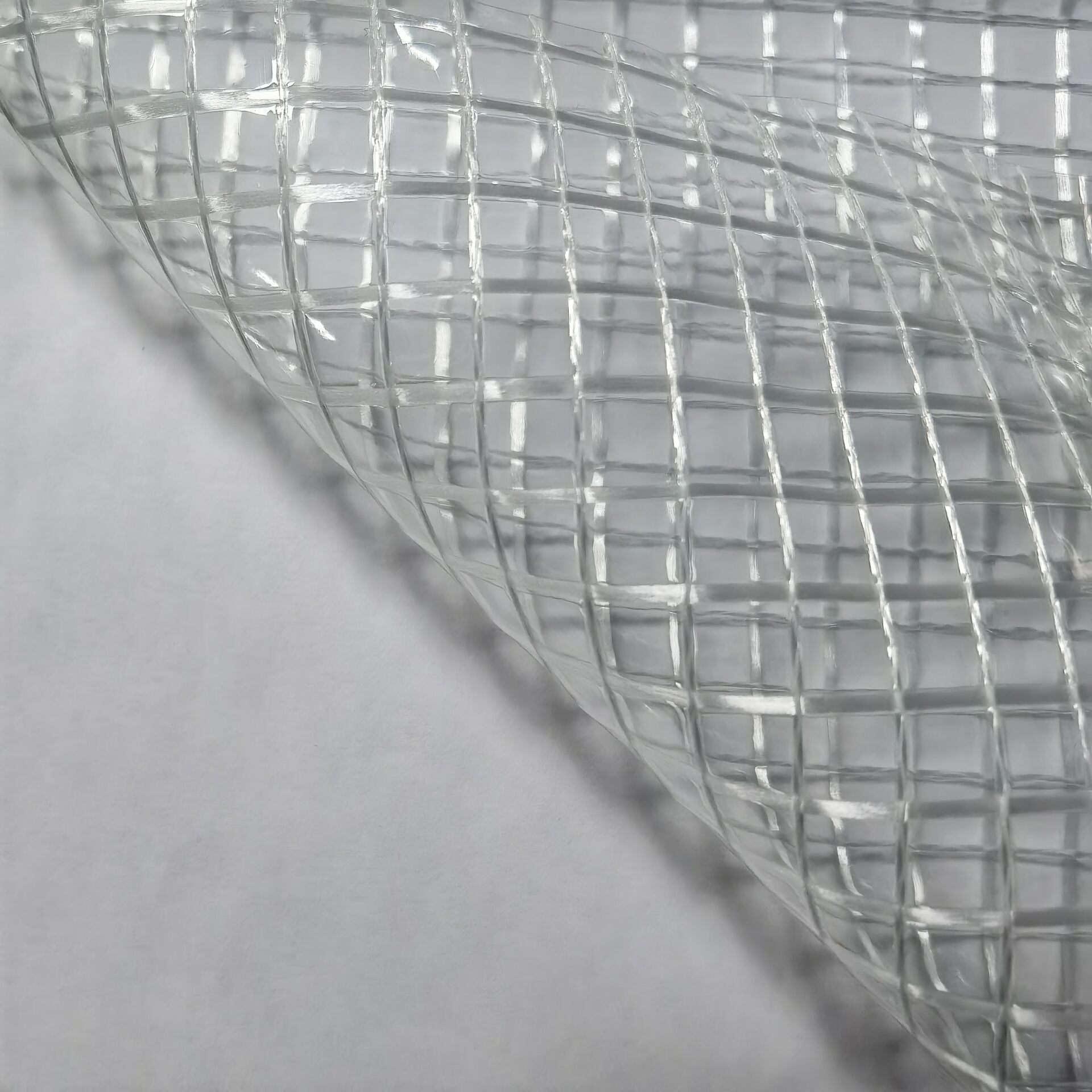
The fundamental structure of heavy duty fabric mesh is defined by its interconnected fibers, which create a web-like pattern. This woven pattern enhances its tensile strength, ensuring durability. For instance, a standard heavy duty mesh tarp may feature a density of 70% knitted mesh, allowing it to withstand substantial force while maintaining air permeability. Its construction often includes warp or weft knitting techniques that contribute to its elasticity and stability.
Performance Metrics
From a quantitative perspective, heavy duty fabric mesh offers impressive performance metrics. These fabrics can sustain weights ranging from 300 to 2000 grams per square meter, highlighting their capacity for heavy-duty use. Additionally, they exhibit UV protection capabilities, which prevent degradation when exposed to sunlight for extended periods.
Understanding Flame Retardancy in Fabrics
The concept of flame retardancy in fabrics revolves around their ability to resist ignition or slow the spread of fire. In the context of heavy duty mesh fabrics, flame retardancy is a crucial attribute, particularly for applications requiring safety and compliance with industry standards.
Flame Retardancy Mechanisms
The flame retardancy of mesh fabrics is achieved either through the inherent properties of the fibers or by applying flame-retardant chemical treatments. These treatments generally fall into three categories: Flame Retardant (FR), Inherently Flame Retardant (IFR), and Durably Flame Retardant (DFR). Each category denotes the level of protection and permanence of the flame-retardant properties. For instance, inherently flame-retardant fibers maintain their fire-resistant characteristics throughout the lifespan of the fabric, even after repeated washing.
Regulatory Compliance
For manufacturers and wholesale suppliers, adhering to safety standards is paramount. This involves ensuring that heavy duty mesh fabrics meet regulatory requirements, such as those set by the National Fire Protection Association (NFPA) or similar entities. Compliance not only ensures safety but also enhances the marketability of these products.
Synthetic Fibers in Flame Retardant Fabrics
Synthetic fibers play a crucial role in the production of flame-retardant fabrics, offering unique properties that enhance both safety and performance. Commonly used synthetic fibers include nylon and polyester, each providing distinct advantages.
Nylon and Polyester Characteristics
Nylon fibers are celebrated for their high melting points and resistance to abrasion, which makes them ideal for environments subjected to significant wear and heat exposure. Polyester, on the other hand, offers excellent thermal stability and low thermal conductivity, meaning it can withstand high temperatures without igniting easily. When treated with flame retardant chemicals, these fibers become even more effective in preventing fire hazards.
Fire Resistance Treatment
Manufacturers often apply specialized treatments to enhance the fire resistance of synthetic fibers. These treatments might involve immersing the fabric in chemical baths or coating it with flame-retardant solutions. The result is a fabric that not only resists ignition but also mitigates the spread of fire, providing an additional safety layer crucial for industrial applications.
Applications of Flame Retardant Mesh Fabric
Flame retardant mesh fabrics are integral to a wide array of industrial and commercial applications. Their ability to withstand harsh conditions while offering protective features makes them a preferred choice in various sectors.
Industrial Uses
In industrial settings, flame-retardant mesh fabrics are often used in constructing barriers and coverings. These fabrics are vital in scaffolding, building containment, and other onsite applications where flame resistance could mean the difference between safety and disaster. They also serve in the production of personal protective equipment (PPE), ensuring workers' safety in hazardous environments.
Agricultural and Outdoor Applications
Beyond industrial use, these fabrics find relevance in agricultural settings, where they can act as shade tarps that protect crops from extreme sunlight while providing ventilation. Additionally, they serve in recreational and outdoor uses, such as camping gear and outdoor furniture coverings, emphasizing both durability and safety.
Durability and Protective Features
The durability of heavy duty mesh fabrics is underpinned by their robust construction and protective features, which extend their utility across various challenging environments.
Resilience to Elements
These fabrics offer considerable resistance to environmental factors, including UV exposure, chemicals, and moisture. This resistance is crucial in prolonging the fabric's lifespan, ensuring it remains effective even under harsh conditions. For example, a tarp made from such material can endure exposure to sunlight and rain without compromising its integrity.
Tear and Mildew Resistance
A key feature of these fabrics is their resistance to tearing and mildew formation. By using reinforced edges and high-strength fibers, manufacturers have created products capable of withstanding physical stress and preventing microbial growth, which could otherwise lead to deterioration.
Innovations in Flame Retardant Technologies
The field of flame retardant fabrics is continually evolving, with manufacturers and factories investing in research to enhance the efficacy and safety of their products.
Advanced Treatment Techniques
New flame-retardant treatments are developed using nanotechnology and advanced chemical engineering, resulting in fabrics that offer improved performance while minimizing environmental impact. These innovations have enabled producers to offer fabrics that meet stricter safety standards without sacrificing the material's other properties.
Eco-Friendly Solutions
With growing awareness about sustainability, manufacturers are increasingly focusing on eco-friendly flame retardant solutions. This involves using non-toxic, biodegradable chemicals and developing recyclable fabric options, ensuring environmental considerations are at the forefront of product development.
Importance of Compliance and Safety Standards
Incorporating flame retardant features in mesh fabrics is not merely a technological achievement but a necessity for compliance with safety standards that govern various industries.
Industry Standards and Certifications
Compliance with industry standards like NFPA 701 and ISO certifications ensures that fabrics are tested rigorously for flame retardancy. These standards are critical for wholesale and manufacturing businesses, providing assurance to clients and end-users about the safety and reliability of products.
Legal and Market Implications
Adhering to these standards also has significant legal and market implications. Non-compliance can lead to severe penalties and loss of market reputation. Conversely, meeting and exceeding these standards can provide a competitive edge, allowing businesses to tap into markets that prioritize safety and quality.
Environmental Considerations and Sustainability
As the demand for sustainable products increases, manufacturers are tasked with balancing performance and environmental stewardship.
Recyclability and Waste Reduction
Sustainable practices in the production of mesh fabrics include efforts to reduce waste and enhance recyclability. By using recyclable materials and adopting lean manufacturing processes, factories are minimizing their ecological footprint while still producing high-performance, flame-retardant fabrics.
Biodegradable Materials
Some manufacturers are exploring the use of biodegradable fibers and coatings that maintain flame retardant properties without adding to landfill waste. This approach aligns with broader efforts to promote sustainability in industrial manufacturing processes.
Customization and Versatility of Mesh Tarps
The versatility of heavy duty mesh tarps is seen in their wide range of customizable features, tailored to meet specific application needs.
Size and Dimension Customization
Businesses can order tarps in custom sizes, ensuring perfect fits for unique spaces. This customization is valuable for industries needing specific containment solutions or tailored coverage for equipment and structures.
Color and Branding Options
Customization also extends to the aesthetic aspects of these fabrics. Factories can produce mesh tarps in various colors, which can be used for branding or to meet aesthetic requirements in commercial settings, offering both functionality and visual appeal.
Flame Retardant Fabric Care and Maintenance
Maintaining the integrity of flame retardant fabrics involves adhering to specific care guidelines to ensure longevity and performance.
Cleaning and Handling Instructions
Users should follow careful cleaning protocols to preserve flame-retardant properties, such as avoiding harsh chemicals that could degrade the protective coatings. Regular inspections for tears and wear are also recommended to maintain safety standards.
Storage Tips
Proper storage is critical to extending the life of these fabrics. Keeping them in dry, cool environments prevents mildew growth and material breakdown, ensuring they remain ready for use when needed.
Yatai Textile Provide Solutions
As a leading provider of flame retardant fabrics, Yatai Textile offers innovative solutions tailored to meet diverse industrial needs. Our range of products includes customizable mesh tarps and fabrics that adhere to rigorous safety standards, ensuring both protection and performance. By focusing on sustainability and cutting-edge technologies, we cater to wholesale clients and manufacturers seeking reliable, high-quality solutions. Engage with us for expert guidance and access to a wide array of flame retardant fabric options, designed to meet the evolving demands of the market.


 Privacy settings