


● Introduction to PVC-Coated Fabric
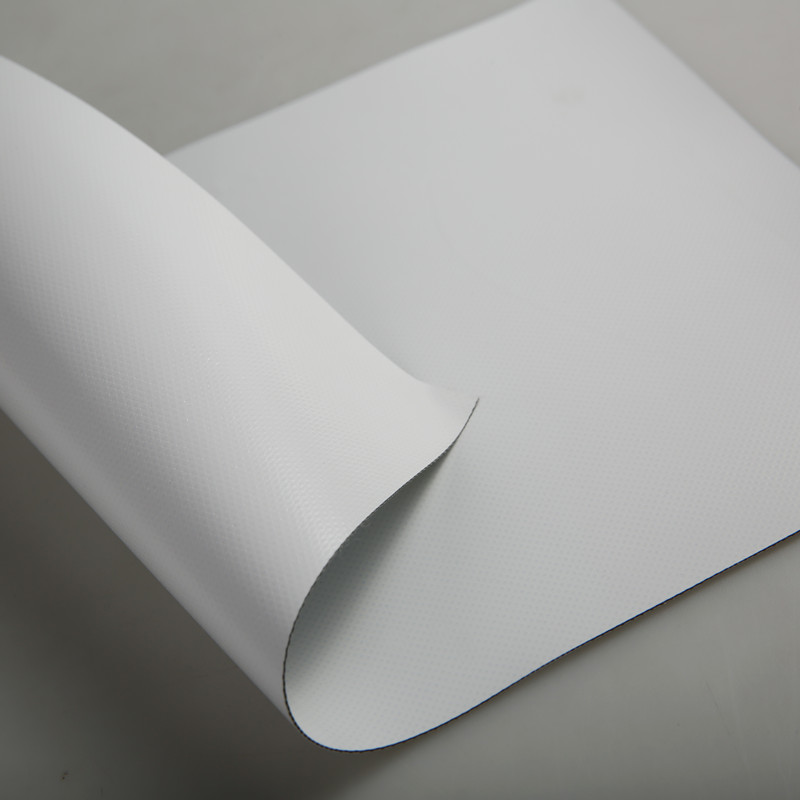
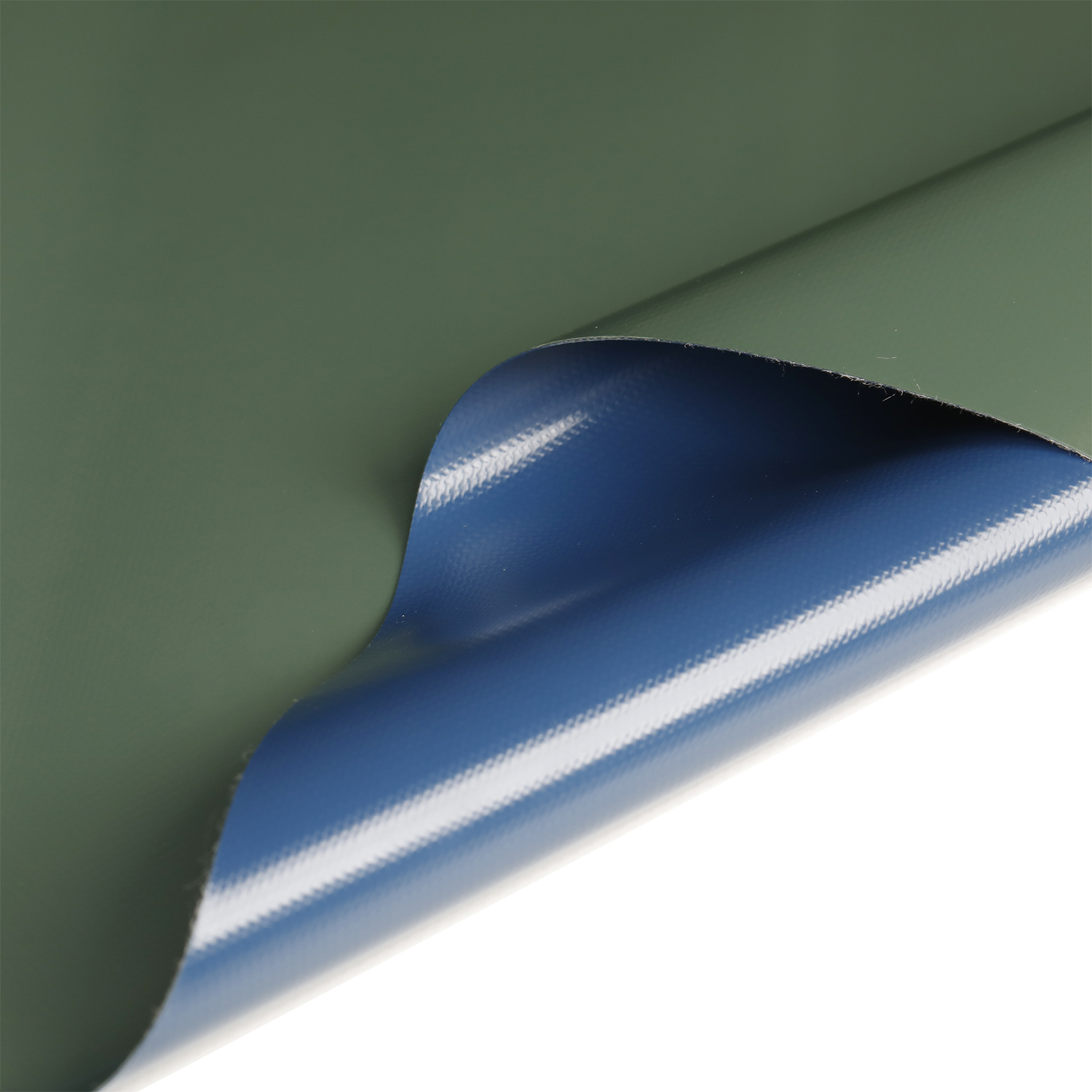
PVC-coated fabric is a specially designed material that utilizes polyvinyl chloride (PVC) as a coating to enhance its properties. This type of fabric is highly versatile, finding applications in a wide range of industries including fashion, healthcare, construction, and more. Historically, the use of PVC coatings has revolutionized the fabric industry by providing increased durability, prolonged lifespan, and added functionalities such as waterproofing.
● Properties of PVC-Coated Fabric
●
○ Chemical Composition
PVC-coated fabric is composed of a base textile material, which could be polyester, cotton, or nylon, and a layer of polyvinyl chloride. The PVC layer is applied through a coating process that ensures even dispersion and strong adhesion. The chemical structure of PVC contributes to its resistance to fire, chemicals, and abrasion, making it an ideal choice for various demanding environments.
●
○ Durability and Strength
One of the standout characteristics of PVC-coated fabric is its exceptional durability and strength. The PVC layer acts as a protective shield against external factors such as UV radiation, moisture, and physical wear and tear. Consequently, items made from PVC-coated fabric can endure harsh conditions and prolonged use without significant degradation.
● Waterproof vs Water-Resistant Fabric
●
○ Definitions and Differences
When considering fabrics for applications involving exposure to water, it's important to differentiate between "waterproof" and "water-resistant." Waterproof fabrics are impervious to water penetration, whereas water-resistant fabrics can only resist water to a certain extent. In other words, waterproof fabrics provide complete protection from water, while water-resistant fabrics offer limited protection under specific conditions.
●
○ Importance in Various Applications
The distinction between waterproof and water-resistant is crucial in industries such as outdoor gear, marine, and construction. For example, in the construction industry, scaffolding covers and tarpaulins made from waterproof PVC-coated fabric ensure that building sites remain dry and protected. Similarly, outdoor clothing brands often opt for waterproof materials to provide maximum comfort and protection to users in extreme weather conditions.
● Waterproofing Mechanism of PVC-Coated Fabric
●
○ How PVC Coating Works
The waterproofing capability of PVC-coated fabric lies in the application of a continuous layer of PVC over the base textile material. This coating creates a barrier that prevents water from penetrating the fabric. The process involves melting the PVC resin and evenly spreading it over the fabric surface. Once cooled and solidified, the fabric becomes impermeable to water.
●
○ Scientific Principles Involved
From a scientific perspective, the waterproof nature of PVC-coated fabric is attributed to the hydrophobic properties of polyvinyl chloride. Hydrophobic materials repel water molecules, ensuring that water does not seep through the fabric. This property is further enhanced by the density and thickness of the PVC layer, which adds to the overall waterproof performance.
● Testing Waterproof Capabilities
●
○ Methods of Testing
To validate the waterproof capabilities of PVC-coated fabric, various testing methods are employed. These include the hydrostatic head test, where water pressure is applied to the fabric to determine the point of leakage, and the rain test, which simulates heavy rainfall conditions to assess water resistance. These tests ensure that the fabric meets the required standards for waterproof performance.
●
○ Industry Standards and Certifications
PVC-coated fabric manufacturers adhere to stringent industry standards and certifications to guarantee the quality and performance of their products. Certifications such as ISO, REACH, and RoHS confirm that the fabric has been tested and meets the necessary criteria for safety, durability, and waterproofing. These certifications provide assurance to consumers and businesses seeking reliable waterproof fabrics.
● Common Applications of PVC-Coated Fabric
●
○ Outdoor Gear and Apparel
PVC-coated fabric is widely used in the production of outdoor gear and apparel due to its waterproof and durable properties. Products such as tents, backpacks, and raincoats benefit from the fabric's ability to withstand harsh weather conditions while providing comfort and protection to users.
●
○ Industrial and Commercial Uses
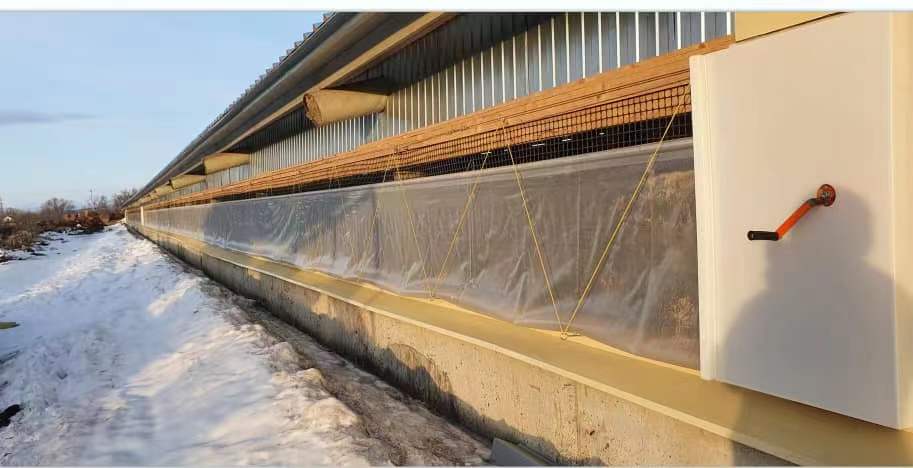
In industrial and commercial settings, PVC-coated fabric is employed for a variety of purposes including the manufacture of tarpaulins, conveyor belts, and protective covers. The fabric's resistance to chemicals and abrasion makes it suitable for use in demanding environments where reliability and durability are paramount.
● Advantages of Using PVC-Coated Fabric
●
○ Longevity and Maintenance
One of the primary advantages of PVC-coated fabric is its longevity. The robust nature of the PVC coating ensures that the fabric remains intact and functional for extended periods. Additionally, maintenance is relatively simple as the fabric can be easily cleaned with water and mild detergents, preserving its appearance and functionality over time.
●
○ Cost-Effectiveness
While the initial cost of PVC-coated fabric may be higher compared to other fabrics, its durability and low maintenance requirements make it a cost-effective choice in the long run. The extended lifespan of products made from PVC-coated fabric translates to reduced replacement costs, providing value for both consumers and businesses.
● Environmental Impact and Sustainability
●
○ Lifecycle of PVC-Coated Fabric
The lifecycle of PVC-coated fabric encompasses several stages, from raw material extraction to production, usage, and disposal. While the production process involves the use of chemicals and energy, advancements in technology have led to more efficient and environmentally friendly manufacturing practices. Additionally, the long lifespan of PVC-coated fabric contributes to reduced waste and resource consumption.
●
○ Recycling and Disposal Concerns
Recycling and disposal of PVC-coated fabric pose certain challenges due to the combination of textile and plastic materials. However, initiatives are underway to develop recycling methods that can effectively separate and repurpose the components. Responsible disposal practices and the use of recyclable materials are essential in mitigating the environmental impact of PVC-coated fabric.
● Alternatives to PVC-Coated Fabric
●
○ Other Waterproof Materials
Several alternatives to PVC-coated fabric are available, each with its own set of advantages and disadvantages. Materials such as polyurethane-coated fabric, silicone-coated fabric, and laminated fabrics offer varying levels of waterproofing, durability, and flexibility. These alternatives provide options for specific applications based on the required performance characteristics.
●
○ Comparative Analysis
When comparing PVC-coated fabric to its alternatives, factors such as waterproofing efficiency, durability, cost, and environmental impact must be considered. While some materials may offer superior waterproofing or environmental benefits, PVC-coated fabric remains a popular choice due to its balanced performance and affordability.
● Conclusion and Final Thoughts
●
○ Summary of Key Points
In summary, PVC-coated fabric is indeed waterproof, offering a reliable solution for various applications that require protection from water and other external elements. Its robust properties, cost-effectiveness, and wide range of uses make it a preferred choice in many industries.
●
○ Future Advancements and Innovations
Looking ahead, future advancements and innovations are expected to enhance the performance and sustainability of PVC-coated fabric. Research and development efforts are focused on improving the environmental footprint of PVC production, exploring new coating technologies, and creating more recyclable and biodegradable options.
● About YATAI
JIAXING YATAI TEXTILE CO., LTD is a leading manufacturer of PVC-coated fabric, offering high-quality products from its extensive production facility covering 50,000 square meters. With 2 production lines for PVC knife-coated fabric, 2 calender machines for PVC film, and various other machinery, YATAI ensures top-quality fabric tailored to client specifications. With 300 dedicated professional workers, YATAI PVC fabric rolls reach a width of 5.1 meters, maintaining high standards for premium quality fabric.



 Privacy settings