


Introduction to Polyvinyl Chloride (PVC) and Its Common Uses
Polyvinyl Chloride, commonly known as PVC, is a synthetic plastic polymer that has become integral in various industries. It is renowned for its durability, versatility, and cost-effectiveness, making it a popular choice among manufacturers, factories, and suppliers. PVC is extensively used in construction materials such as pipes, cables, and window frames. It is also prevalent in consumer goods like packaging, toys, and medical applications. However, despite its widespread usage, concerns about its safety for human health and the environment persist.
Chemical Additives in PVC
Phthalates and Bisphenol-A (BPA)
PVC's flexibility and functionality are significantly enhanced by the addition of chemical additives. Two of the most controversial additives are phthalates and Bisphenol-A (BPA). These chemicals, used as plasticizers, impart flexibility to PVC, making it suitable for a variety of applications. However, they are known to interfere with human endocrine systems, potentially disrupting hormonal functions, which raises concerns over their safety.
Other Additives and Their Effects
Besides phthalates and BPA, PVC manufacturing often involves other additives like lead, cadmium, and organotins to stabilize and enhance the material's properties. These substances have been linked to neurotoxicity and other health issues, especially when products are improperly disposed of, releasing these additives into the environment.
Health Risks of PVC Exposure
Acute and Chronic Health Implications
The health implications of PVC exposure can be both acute and chronic. Chronic exposure, especially through inhalation or ingestion, can lead to serious health issues, including respiratory problems, liver damage, and developmental delays in children. Given that manufacturers, factories, and suppliers extensively use PVC across many products, the risk of human exposure is significant.
Routes of Human Exposure
Human exposure to PVC and its additives can occur through several routes, including direct contact with PVC products, inhalation of dust particles, or consumption of contaminated water. The risk is elevated in settings where PVC products are frequently handled or in poorly ventilated areas where airborne particles may accumulate.
Environmental Concerns Related to PVC
Lifecycle Environmental Impact
The environmental impact of PVC extends across its entire lifecycle, from production to disposal. The manufacturing process releases toxic chemicals, including dioxins, which are persistent environmental pollutants. These substances accumulate in the food chain and pose significant health risks to humans and wildlife.
Microplastics and Environmental Accumulation
PVC is highly resistant to degradation, which contributes to the accumulation of microplastics in the environment. These microplastics are found in soil, water bodies, and even the air, posing a risk to ecosystems and human health due to their ability to absorb and transport hazardous chemicals.
Regulatory Actions and PVC
Global Regulatory Status
Regulatory bodies worldwide, including in the EU and the US, have scrutinized PVC due to its potential health and environmental risks. In 2022, the EU included PVC additives in its list of hazardous chemicals, emphasizing the need for restrictions. However, despite these regulatory assessments, comprehensive bans or restrictions remain limited.
Industry Compliance and Challenges
The PVC industry faces significant challenges in balancing regulatory compliance with consumer demand. While some manufacturers, factories, and suppliers have adopted safer alternatives, the transition is slow, primarily due to economic and technical constraints. Ensuring industry-wide compliance and innovation in materials science is crucial for mitigating PVC's risks.
Case Studies on PVC Impact
Health Incidents and Community Impacts
Several case studies highlight the adverse health impacts of PVC, particularly in communities near production facilities. These incidents often report higher rates of respiratory illnesses and cancers, underscoring the need for stricter regulatory oversight and improved industrial practices.
Environmental Case Studies
Environmental case studies have documented the detrimental effects of PVC waste on ecosystems. For instance, wildlife in areas with high PVC pollution often shows signs of toxicity, including hormonal disruptions and reproductive issues, reflecting the broader ecological consequences of PVC use and disposal.
Alternatives to PVC in Industry
Innovations in Materials Science
To address the concerns surrounding PVC, manufacturers, factories, and suppliers are exploring alternative materials such as polyethylene, polypropylene, and bioplastics. These materials offer similar functionality without the associated health and environmental risks, though they also present their own challenges in terms of cost and adaptability.
Adoption Challenges and Opportunities
The adoption of PVC alternatives faces several hurdles, including higher production costs and the need for technological advancements. However, there are opportunities for growth and innovation, particularly in sectors like construction and healthcare, where safety and sustainability are increasingly prioritized.
Public Health Advocacy and PVC
Role of NGOs and Health Organizations
Non-governmental organizations and public health advocates play a critical role in raising awareness about the risks of PVC. They push for policy changes and support research into safer material alternatives, working to influence both regulatory frameworks and consumer behavior.
Consumer Awareness and Demand
Consumer awareness is pivotal in driving change within the PVC industry. As more individuals become informed about the potential hazards of PVC, there is a growing demand for safer, eco-friendly products, prompting manufacturers, factories, and suppliers to heed consumer preferences in their product offerings.
Global Perspectives on PVC Use
Regional Variations in PVC Regulation
The regulatory landscape for PVC varies significantly across different regions. While some countries enforce stringent controls on PVC production and disposal, others have yet to implement comprehensive regulations, reflecting disparities in environmental and health priorities on a global scale.
International Collaboration and Policy Implications
International collaboration among regulatory bodies, manufacturers, and environmental organizations is essential to harmonize standards and regulations regarding PVC use. This global effort is crucial to mitigate the transboundary impacts of PVC pollution and to ensure collective progress towards safer materials.
Conclusion and Future Directions
The complexities surrounding PVC's safety for human health and the environment highlight the urgent need for comprehensive regulatory actions and industry innovation. As stakeholders across sectors continue to grapple with these challenges, the future of PVC lies in balancing economic viability with safety and sustainability. By prioritizing research, regulation, and public awareness, the pathway towards safer plastic alternatives becomes clearer.
Yatai Textile Provide Solutions
At Yatai Textile, we recognize the importance of sustainable materials in consumer and industrial products. Our commitment to innovation drives us to seek alternative materials that align with safety and environmental standards. By prioritizing research and development, we aim to offer solutions that meet consumer demands for safer, eco-friendly products. Whether through collaboration with material scientists or by investing in cutting-edge technologies, Yatai Textile is dedicated to leading the change towards a safer, more sustainable future for all industries.
User hot search: pvc material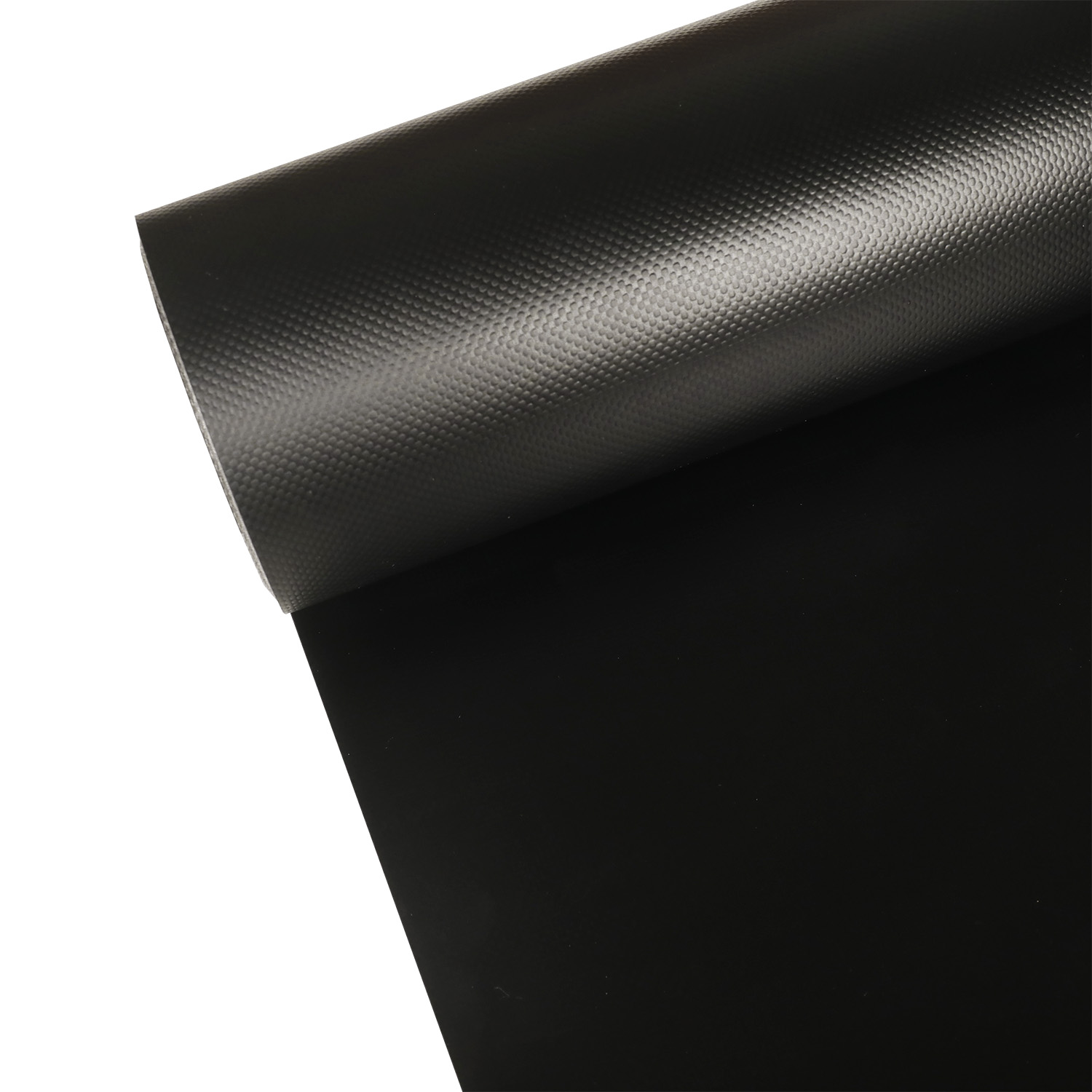





 Privacy settings