


Introduction to pvc coated fabric
● Definition and Basic Properties
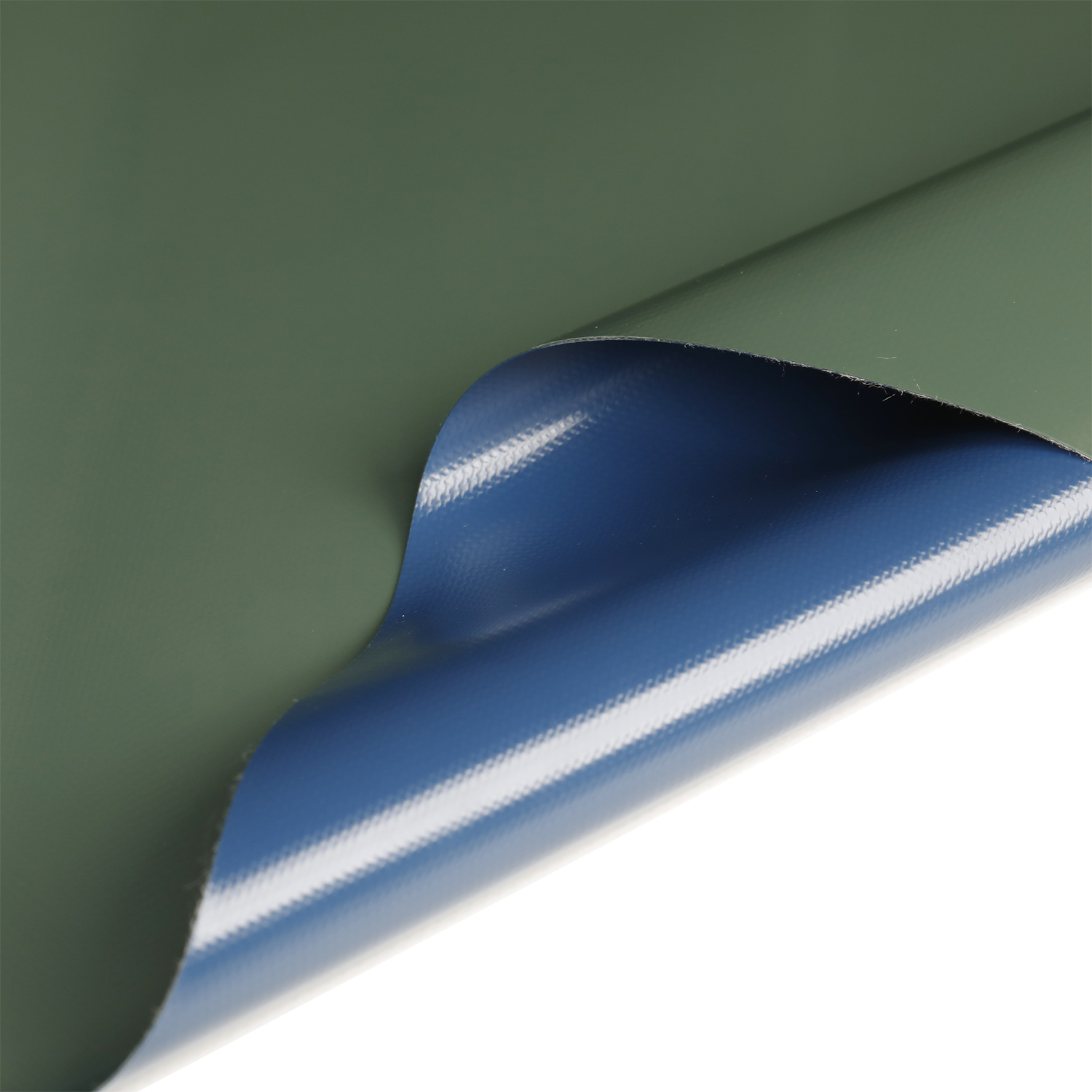
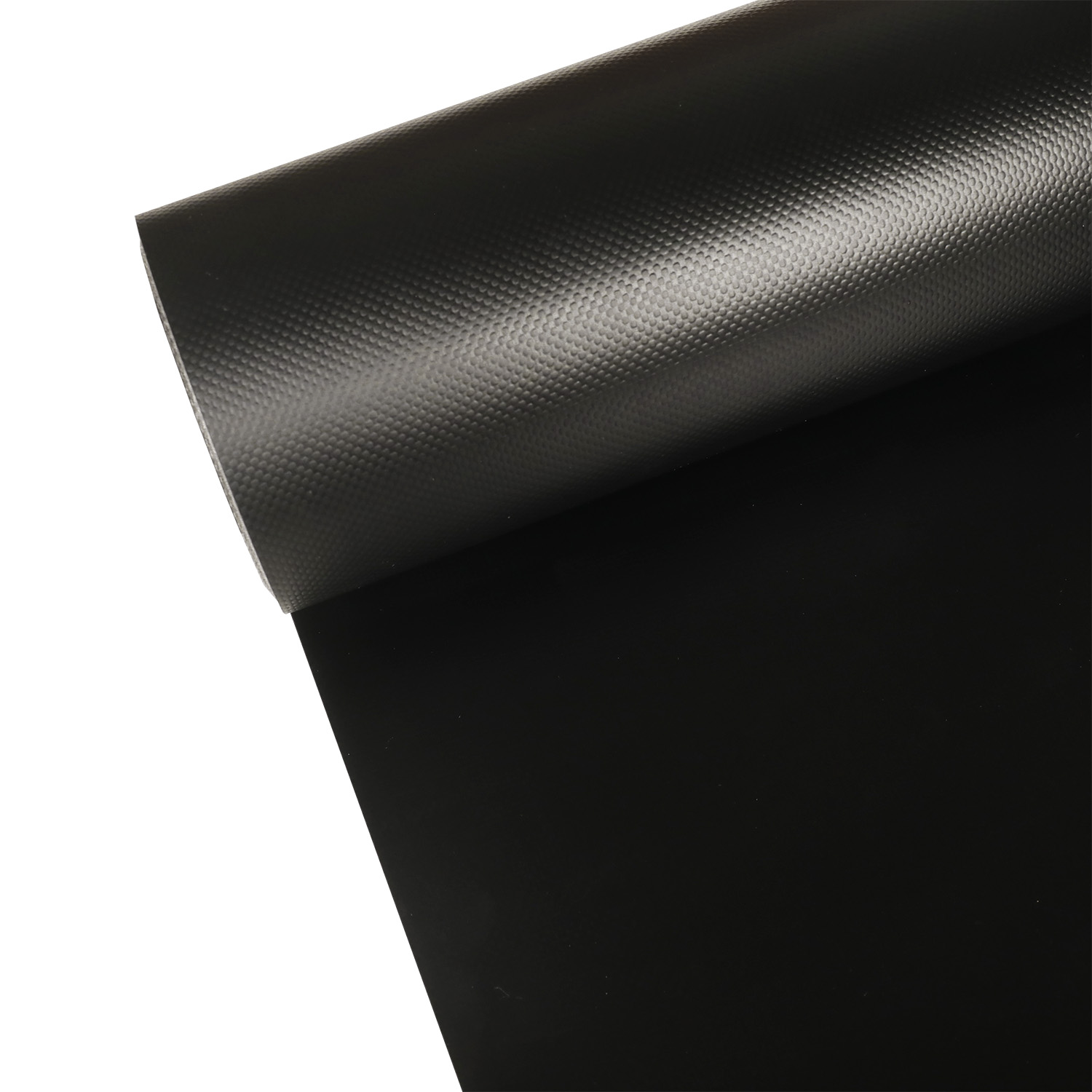
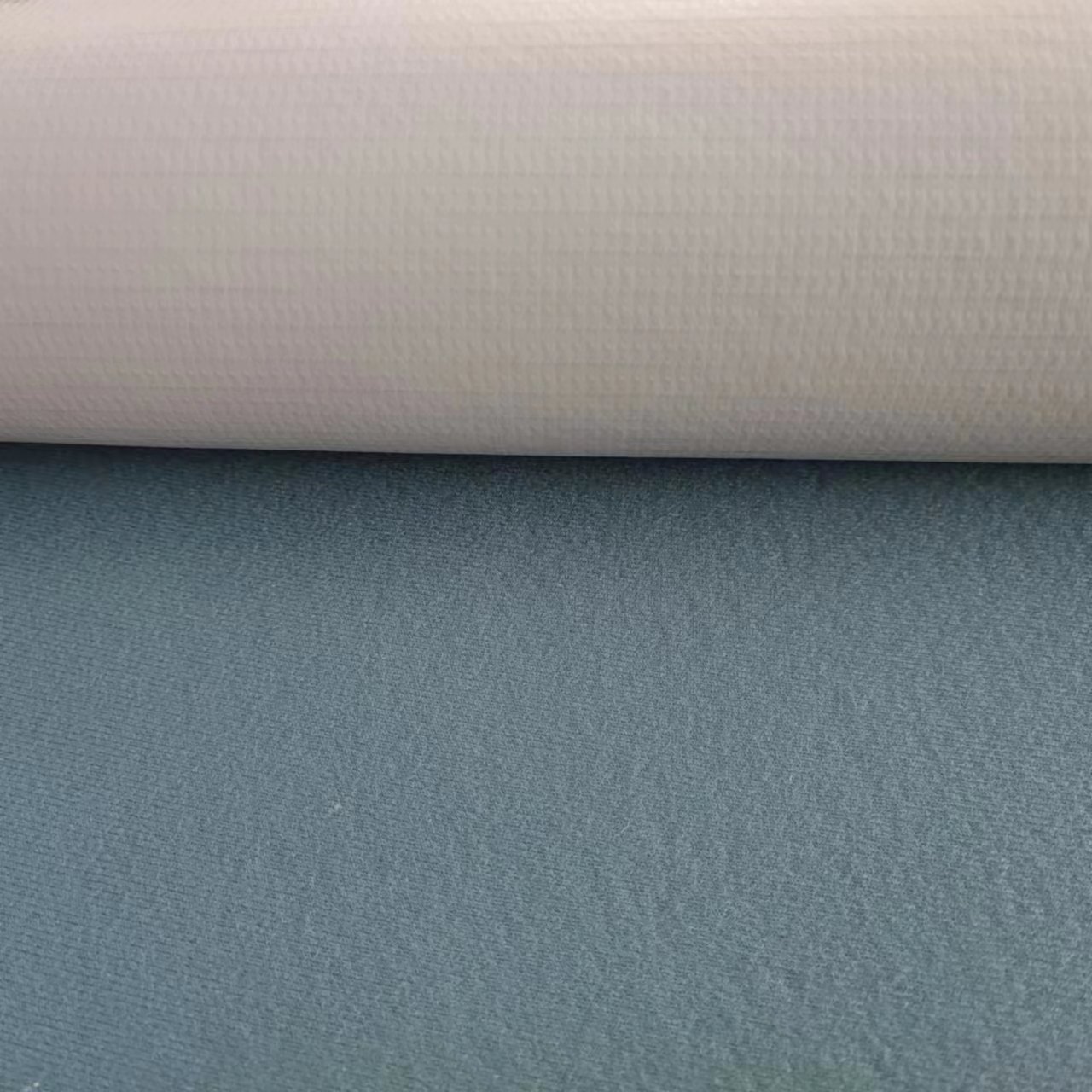
PVC coated fabric is a versatile, high-performance material widely used in various industrial applications. Comprising a textile base coated with polyvinyl chloride (PVC), this fabric merges the flexibility and resilience of textiles with the durability and protection provided by PVC. The result is a material that is not only strong and durable but also resistant to various environmental and chemical factors, making it an excellent choice for many industrial needs.
● Historical Development and Use in Industry
The development of PVC coated fabric has roots in the industrial advancements of the 20th century, where the need for more durable and resistant materials became apparent. Over time, technological advancements have enabled manufacturers to refine the production process, leading to the high-quality PVC coated fabrics we see today. These fabrics are now integral to industries such as construction, transportation, and outdoor equipment manufacturing.
Durability and Longevity of PVC Coated Fabrics
● Resistance to Wear and Tear
PVC coated fabrics are renowned for their exceptional durability. They are engineered to withstand harsh conditions, including physical wear and tear, making them suitable for high-stress environments. This robust nature reduces the frequency of replacements and repairs, offering a cost-effective solution for industries focused on longevity and reliability.
● Comparison with Other Materials in Durability
When compared to other industrial materials, PVC coated fabrics offer superior durability. While materials like traditional textiles can be prone to tearing and damage, PVC coated alternatives provide the enhanced strength needed for industrial use. Their resistance to punctures, abrasions, and stretching makes them the preferred choice for applications requiring heavy-duty performance.
Airtight Properties for Industrial Applications
● Importance in Manufacturing and Storage
The airtight properties of PVC coated fabrics are crucial in industries where containment of air or vapors is essential. This feature makes them ideal for applications such as inflatable structures, air-tight storage solutions, and protective covers that require maintaining controlled environments. It also ensures that products stored or contained within these fabrics remain safe from external contamination.
● Examples of Airtight Applications in Industry
Several industries benefit from the airtight nature of PVC coated fabrics. In the agricultural sector, for example, these fabrics are used to create silos and covers that protect crops from moisture. In the manufacturing sector, they are employed in equipment covers and inflatable products, highlighting their versatility and importance in maintaining product integrity.
Fire-Retardant Capabilities for Safety
● Role in Improving Industrial Safety Standards
Safety is a paramount concern in industrial settings, and PVC coated fabrics contribute significantly to enhancing safety standards. These fabrics are treated to be fire-retardant, reducing the risk of accidents and potential damages caused by fire outbreaks. Their fire-retardant capabilities make them an indispensable component of safety equipment and procedures in industries worldwide.
● Testing and Certification Processes for Fire Retardancy
The fire-retardant properties of PVC coated fabrics are rigorously tested and certified to meet stringent safety standards. Manufacturers subject these fabrics to various tests to ensure compliance with fire safety regulations, providing industries with the assurance they need when incorporating these materials into their safety protocols.
Waterproof Qualities in Harsh Environments
● Performance in Wet and Extreme Weather Conditions
One of the standout properties of PVC coated fabrics is their waterproof nature. This feature makes them ideal for use in environments exposed to rain and extreme weather conditions. Whether used in outdoor covers, tents, or marine applications, these fabrics offer unmatched protection against water penetration, ensuring the safety and integrity of the products they cover.
● Case Studies of Effective Use in Industrial Settings
Numerous case studies highlight the effectiveness of PVC coated fabrics in industrial settings. For example, in construction, these fabrics are used to cover scaffolding and protect workers from rain. In the transportation industry, they serve as truck covers and tarpaulins, safeguarding cargo from weather-related damage.
Chemical and Corrosion Resistance
● Protection Against Industrial Chemicals and Pollutants
PVC coated fabrics offer excellent resistance to chemicals and pollutants, making them suitable for industries where exposure to such elements is common. This resistance ensures that the fabric maintains its integrity and performance, even in chemically aggressive environments, thereby extending its lifespan and reliability.
● Longevity in Chemically Aggressive Environments
Industries such as chemical manufacturing and waste management highly value the chemical resistance of PVC coated fabrics. These fabrics are often used in protective clothing, containment liners, and covers, where their ability to withstand harsh chemical exposure is paramount.
Versatility in Industrial Applications
● Range of Uses Across Various Industries
The versatility of PVC coated fabrics is one of their greatest attributes. They are employed across a wide array of industries, from construction to agriculture and beyond. This adaptability is due to their combination of properties like durability, flexibility, and resistance to environmental factors.
● Tailoring Fabric Properties for Specific Industrial Needs
Manufacturers can customize PVC coated fabrics to meet specific industrial needs. By adjusting the fabric's thickness, coating, and other attributes, suppliers and manufacturers can provide solutions that precisely fit the demands of different applications, enhancing performance and efficiency.
Cost-Effectiveness of PVC Coated Fabrics
● Initial Investment vs. Long-Term Savings
While the initial cost of PVC coated fabrics might be higher than some alternatives, their long-term benefits lead to significant savings. Their durability and low maintenance requirements mean reduced replacement and repair costs, making them a cost-effective choice for businesses looking to optimize resources.
● Comparison with Alternative Materials
Comparatively, PVC coated fabrics offer better value than many alternative materials. Their extensive lifespan and minimal upkeep requirements provide financial benefits that outweigh the savings from cheaper, less durable options, ultimately proving to be a wise investment for industrial applications.
Environmental Impact and Sustainability Considerations
● Advances in Eco-Friendly Coatings and Recycling
As industries move towards sustainability, the environmental impact of materials like PVC coated fabrics is crucial. Advances in eco-friendly coatings and recycling processes have made these fabrics more sustainable, reducing their environmental footprint while maintaining their beneficial properties.
● Industry Trends Towards Sustainable Materials
The push for sustainability has prompted manufacturers and suppliers to innovate in the production of PVC coated fabrics. By developing more eco-friendly options and utilizing recycling methods, the industry is responding to the growing demand for sustainable materials without compromising on quality and performance.
Future Innovations in PVC Coated Fabrics
● Emerging Technologies and Applications
The future of PVC coated fabrics is bright, with ongoing research and development driving new applications and technologies. From smart fabrics capable of providing additional functionalities to innovations in manufacturing processes, the potential for these fabrics continues to expand, promising even greater industrial applications.
● Predictions for Future Industrial Uses and Developments
As industries evolve, so too will the uses and developments of PVC coated fabrics. Continued advancements are expected to introduce new features and applications, further solidifying their role as an indispensable material in various industrial sectors.
Yatai Textile: A Leader in PVC Coated Fabric Production
Yatai Textile is at the forefront of PVC coated fabric innovation, developing and manufacturing cutting-edge solutions for industries such as construction, transportation, and outdoor equipment. With a 50,000 square meter production facility, Yatai Textile boasts state-of-the-art equipment, including production lines for PVC knife coated fabric and high-frequency welding machines. Known for their stringent quality standards and global reach, Yatai's products are used worldwide in applications ranging from truck covers to industrial ventilation. Their commitment to excellence and innovation makes them a leader in the PVC coated fabric market.


 Privacy settings