


Introduction
PVC coated fabric is an increasingly popular material used across various industries due to its exceptional durability, resistance to environmental elements, and ease of maintenance. Whether you are dealing with items such as tarpaulins, awnings, or protective clothing, understanding how to properly clean and maintain this versatile material can extend its lifespan significantly. This article provides a detailed breakdown of the cleaning processes and maintenance tips for PVC coated fabric, ensuring that you can maximize its benefits.
Understanding PVC-Coated Fabric Properties
● Characteristics of PVC Materials
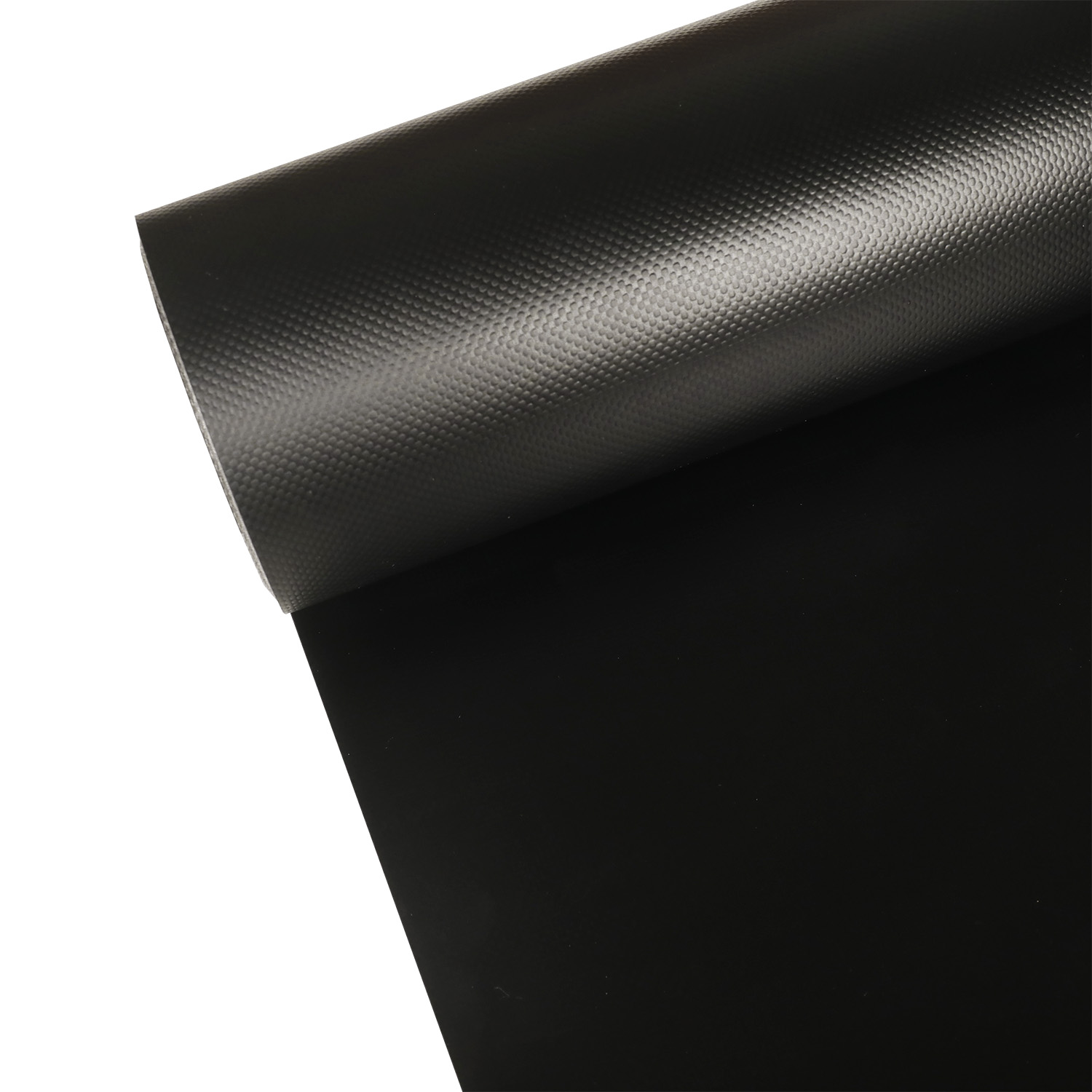
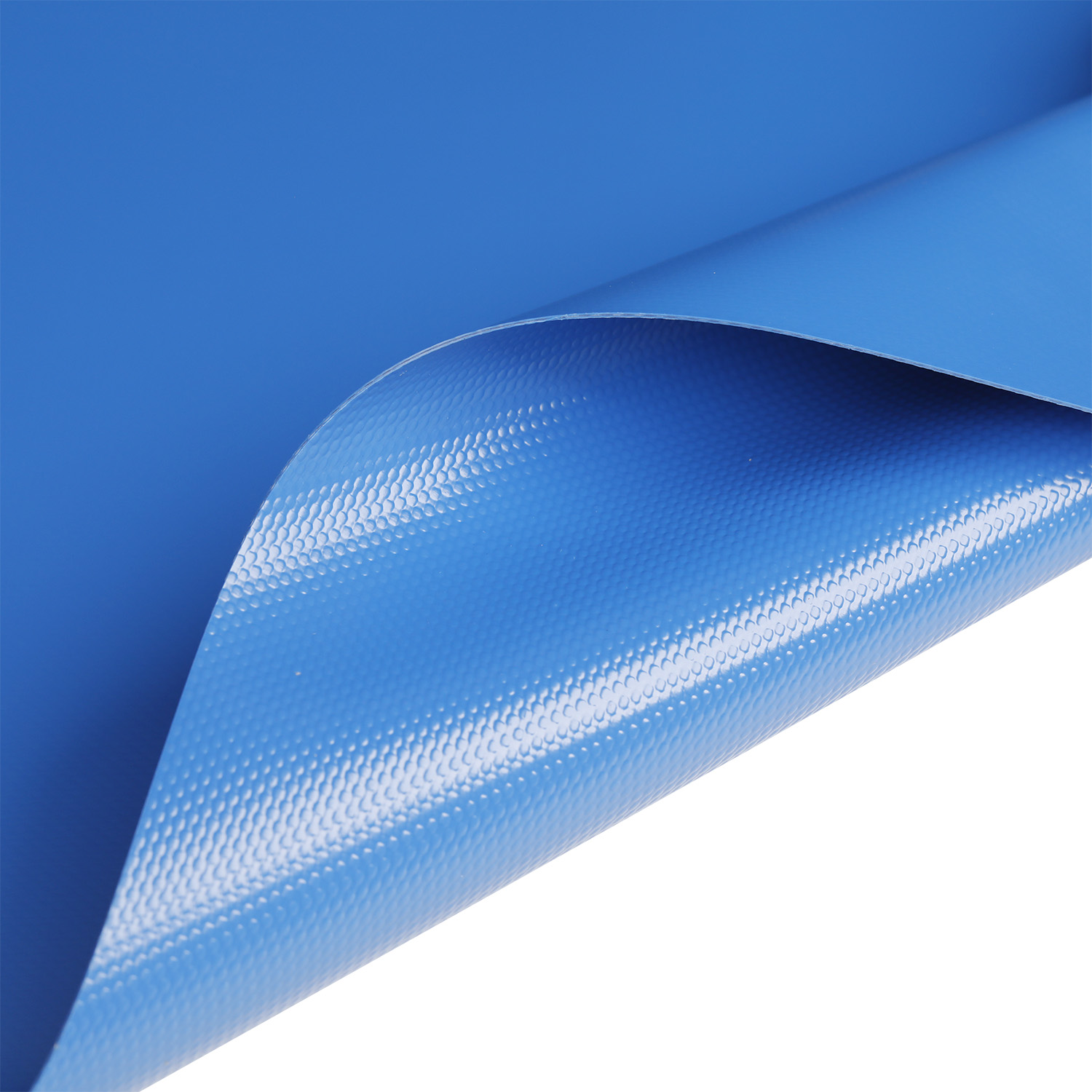
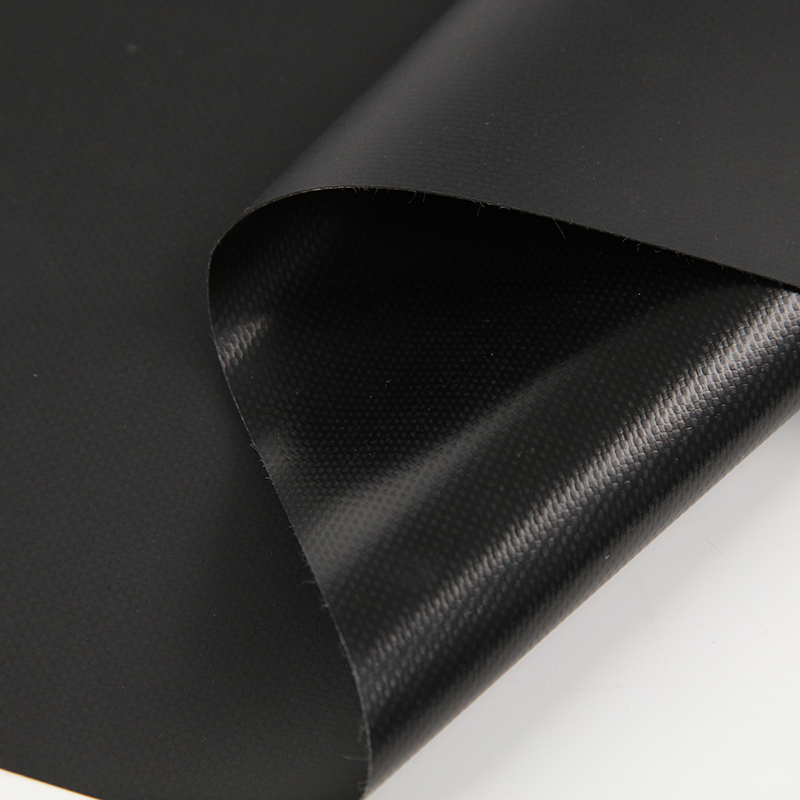
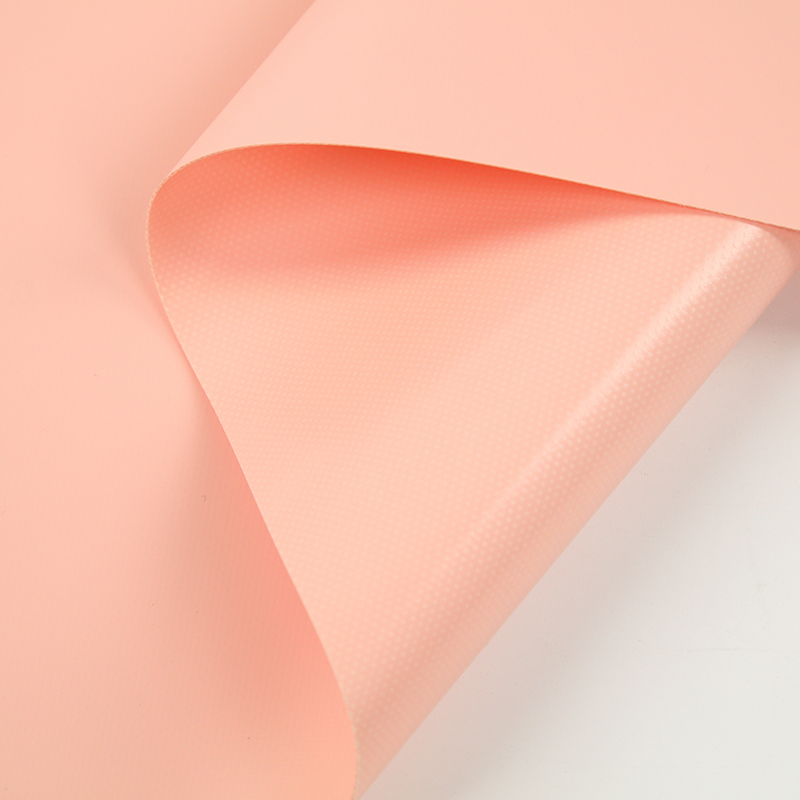
PVC, or polyvinyl chloride, is a synthetic plastic polymer known for its strength and versatility. The coating applied to fabrics enhances their durability and resistance to water, UV rays, and chemicals. This makes PVC coated fabrics ideal for applications where exposure to harsh conditions is frequent. The coating not only provides a waterproof barrier but also adds to the fabric's tensile strength and tear resistance.
● Common Uses and Applications
PVC coated fabric is used in a wide variety of applications, including construction, transportation, and outdoor equipment. Its properties make it suitable for truck covers, tents, banners, and even inflatable structures. Industries rely on this material for its capability to withstand elements while maintaining its structural integrity over time.
Safety Precautions Before Cleaning
● Suitable Clothing and Footwear
Before commencing any cleaning operation on PVC coated fabric, it is essential to wear appropriate clothing and footwear. This includes wearing gloves to protect your hands from exposure to cleaning agents and sturdy footwear to ensure stability during the cleaning process.
● Protective Gear Recommendations
Depending on the cleaning agents used, additional protective gear may be necessary. Safety goggles should be worn to prevent any splashes of cleaning solution from contacting the eyes. If using chemical-based cleaners, a mask is advisable to avoid inhaling fumes.
Routine Cleaning Methods for PVC Fabric
● Rinsing with Water Techniques
A fundamental aspect of cleaning PVC coated fabric involves simply rinsing with clean water. This initial step helps remove loose dirt and debris, making the subsequent cleaning processes more effective. Using a hose or a gentle stream of water ensures that large particles are washed away without harming the fabric.
● Tools for Removing Loose Dirt
Soft-bristle brushes and non-abrasive cloths are ideal tools for removing dirt without damaging the PVC coating. It is crucial to use gentle motions to prevent scratches or tears that can compromise the fabric's integrity.
Dealing with Stubborn Stains
● Preparing a Mild Soap Solution
For stubborn stains that do not come off with water alone, a mild soap solution is recommended. Mix a few drops of mild detergent with lukewarm water to create a gentle yet effective cleaning solution. This mixture helps break down tougher stains without impacting the material's quality.
● Techniques for Gentle Scrubbing
Apply the soap solution using a sponge or soft cloth, and gently scrub the affected areas. Avoid using excessive force as this could damage the coating. After treating the stains, rinse the fabric thoroughly to remove any soap residues which could attract more dirt if left to dry.
Choosing the Right Cleaning Tools
● Benefits of Sponges Versus Soft Cloths
Sponges and soft cloths each offer distinct advantages when cleaning PVC coated fabric. Sponges provide a cushioned surface that adapts to the fabric's contours, making them suitable for uneven surfaces. Soft cloths, on the other hand, offer more control and are ideal for precise cleaning tasks.
● Avoiding Abrasive Materials
Abrasive materials can cause scratches and degrade the PVC coating. Always ensure that any cleaning tool used is non-abrasive to maintain the fabric's appearance and performance.
Drying and Post-Cleaning Care
● Methods for Proper Drying
Proper drying techniques are crucial after cleaning PVC coated fabric to prevent mold or mildew growth. Air drying is the preferred method, achieved by hanging the fabric in a well-ventilated area away from direct sunlight. This ensures even drying and prevents deformation or discoloration.
● Importance of Thorough Drying
Ensuring that the fabric is completely dry before storage is essential to maintain its quality. Any retained moisture can lead to the growth of mold and mildew, which can weaken the fabric and compromise its effectiveness.
Preventative Measures for Prolonged Durability
● Regular Inspection Tips
Conduct regular inspections to identify any damage such as cuts, tears, or signs of wear. Early detection allows for prompt repairs, maintaining the fabric's performance and extending its lifespan.
● Storage Recommendations
When not in use, store the PVC coated fabric in a dry, clean environment, away from direct sunlight and sharp objects. Proper storage conditions help preserve the fabric's integrity and keep it ready for its next application.
Common Mistakes to Avoid in Cleaning
● Over-Scrubbing and Potential Damage
Excessive scrubbing can compromise the PVC coating, leading to reduced waterproofing and strength. Always use gentle cleaning techniques to avoid damaging the material.
● Using Harsh Chemicals
Harsh chemicals can degrade the PVC coating, leading to discoloration and weakening of the fabric. Stick to mild detergents or specialized PVC fabric cleaners recommended by manufacturers for the best results.
Conclusion: Maintaining Your PVC-Coated Fabrics
● Recap of Key Cleaning Steps
Regular maintenance and cleaning of PVC coated fabric ensure that it remains functional and appealing over time. Essential steps include periodic rinsing, gentle stain removal, and proper drying followed by storage in optimal conditions. Adhering to these practices will enable you to maximize the lifespan of your PVC coated materials.
● Encouragement for Consistent Care
Consistent care and maintenance of your PVC coated fabric not only extend its life but also ensure that it performs efficiently across all intended applications. By investing time in proper care, you protect your investment and maintain its quality for years to come.
About Yatai Textile
Yatai Textile specializes in the development and manufacturing of innovative composite PVC coated fabric tailored for construction, transportation, architecture, and outdoor equipment applications. Situated on a sprawling 50,000 square meter site, Yatai Textile operates two production lines for PVC knife coated fabric and several additional facilities for PVC film production. Boasting advanced equipment and a skilled workforce, Yatai Textile ensures that every fabric produced meets the highest quality standards. Renowned globally, Yatai Textile exports to over 100 countries, reinforcing its status as a leader in technical textiles.


 Privacy settings