


Introduction to PVC Tarpaulin
Polyvinyl chloride, commonly known as PVC, is a synthetic plastic polymer used extensively in various industries. One of its most versatile applications is in the production of tarpaulin. PVC tarpaulin is a waterproof fabric used widely for protective coverings in construction, transportation, and outdoor activities. Characterized by its high durability, versatility, and weather resistance, PVC tarpaulin is an essential material employed by numerous industries worldwide. This article provides an in-depth analysis of PVC tarpaulin, exploring its composition, advantages, disadvantages, and applications.
Composition and Manufacturing of PVC Tarpaulin
● Key Materials Used in Production
PVC tarpaulin is made by coating a polyester or canvas fabric base with a layer of PVC paste resin. This coating process imbues the fabric with its characteristic properties, such as water and mildew resistance. The base fabric is usually made from high-strength polyester, which provides the foundational toughness required for heavy-duty applications.
● Outline of the Manufacturing Process
The manufacturing of PVC tarpaulin involves several intricate steps. Initially, the base fabric is prepared and stretched onto rollers. Next, the PVC paste is applied using a specialized coating machine. This paste is typically mixed with a variety of additives, including anti-mildew agents, plasticizers, and stabilizers, enhancing the final product’s durability and flexibility. Once the PVC coat is applied, the material is cured through a heat-setting process, which solidifies the coating and binds it to the fabric. The tarpaulin is then rolled, cut, and packaged for distribution by pvc coated tarpaulin manufacturers, factories, and suppliers.
Advantages of PVC Tarpaulin
● Durability and Weather Resistance
One of the most significant advantages of PVC tarpaulin is its exceptional durability. The PVC coating not only provides strength but also makes the fabric resistant to environmental conditions such as UV radiation, rain, and wind. This makes PVC tarpaulin an ideal choice for outdoor applications, where exposure to the elements is inevitable.
● Flame Retardant and Insulation Properties
PVC tarpaulin is also valued for its flame-retardant qualities. The material is inherently flame-resistant, providing an added layer of safety in environments where fire hazards might be present. Moreover, the dense nature of PVC tarpaulin helps in insulation, making it useful for temporary shelters and coverings in colder climates.
Disadvantages of PVC Tarpaulin
● Transparency and Natural Light Issues
While PVC tarpaulin offers many benefits, it is not without its drawbacks. One notable disadvantage is its limited light transparency. The thickness and opaqueness of PVC tarpaulin can result in reduced natural light penetration, which might not be suitable for applications requiring natural illumination.
● Vulnerability to Sharp Objects
Despite its strength, PVC tarpaulin can be susceptible to damage from sharp objects. Punctures and tears can compromise its waterproofing capabilities, necessitating careful handling and maintenance.
Common Applications of PVC Tarpaulin
● Construction and Industrial Uses
PVC tarpaulin is frequently used in the construction industry for various purposes, such as scaffolding covers, temporary roofs, and protective barriers against dust and debris. Its strength and flexibility make it ideal for creating durable outdoor shelters and protective enclosures.
● Recreational and Commercial Applications
Beyond construction, PVC tarpaulin is utilized in making tents, awnings, and covers for swimming pools and sports facilities. Its waterproof nature also makes it an excellent material for making outdoor banners and advertising displays. Many PVC coated tarpaulin wholesalers and suppliers provide customized solutions to meet the specific needs of these diverse applications.
Comparing PVC with Other Tarpaulins
● Comparison with PE Tarpaulin
When comparing PVC tarpaulin with its polyethylene (PE) counterpart, several distinctions arise. PVC tarpaulin is generally more robust and durable, offering better resistance against weathering and environmental wear. However, PE tarpaulin tends to be lighter and more cost-effective, making it suitable for less demanding applications.
● Factors Influencing Choice of Material
The choice between PVC and PE tarpaulin often depends on the intended application, budget constraints, and environmental conditions. For long-term projects requiring maximum durability, PVC tarpaulin is recommended. Conversely, for short-term or light-duty use, PE tarpaulin might be more appropriate.
How to Identify PVC Tarpaulin
● Distinctive Features and Physical Tests
Identifying PVC tarpaulin can be achieved through several physical tests. The material is generally heavier and more rigid than PE tarpaulin. When cut, PVC tarpaulin's edges are smooth and glossy, whereas PE tarpaulin tends to fray.
● Visual and Tactile Inspection Methods
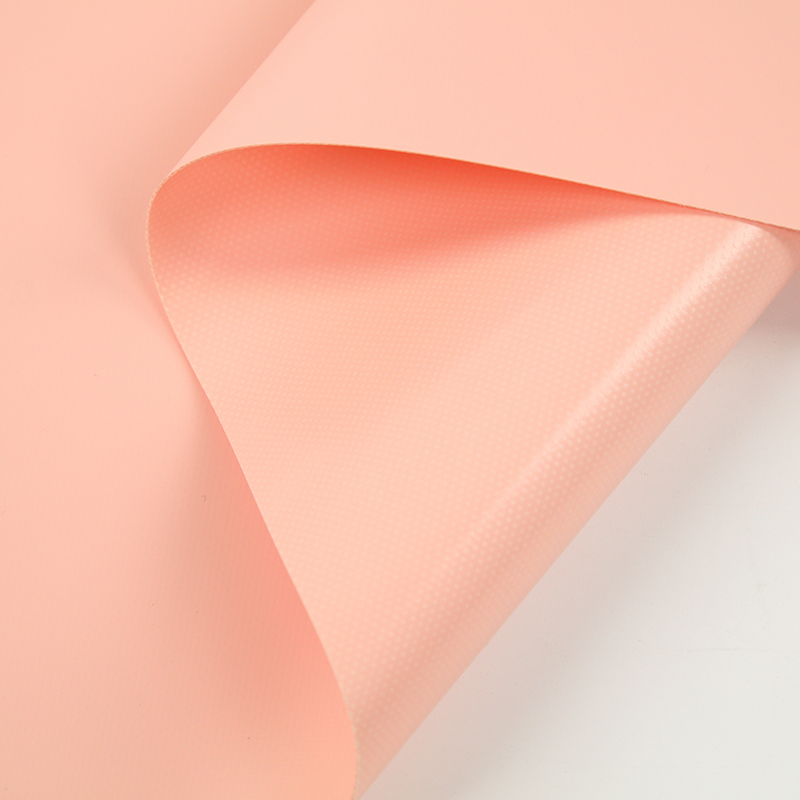
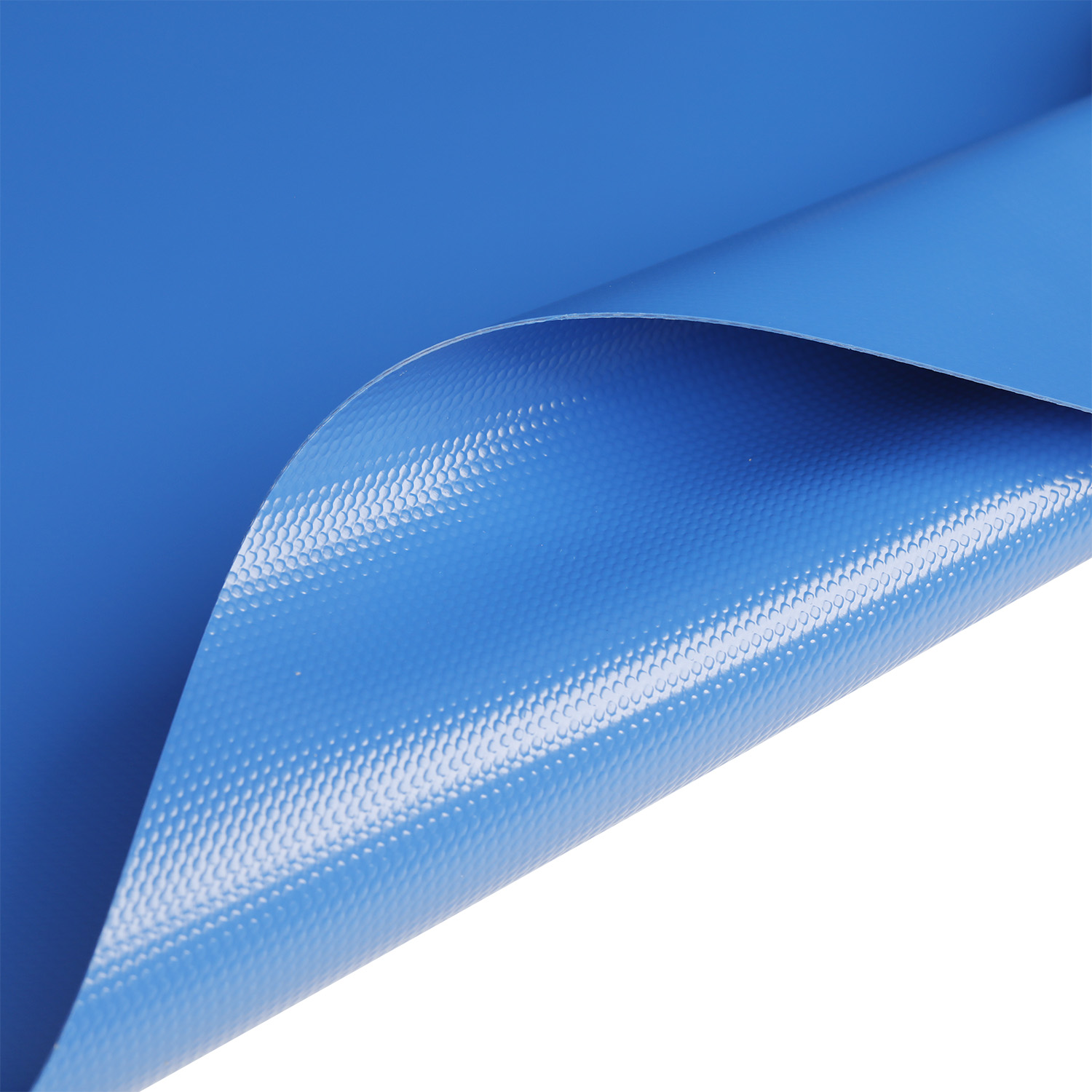
A visual inspection may reveal the smoother surface of PVC tarpaulin, often described as having a waxy feel. Additionally, a tactile test involving folding and stretching can showcase the material's superior flexibility and resilience, distinguishing it from other fabric types.
Care and Maintenance of PVC Tarpaulin
● Cleaning and Storage Tips
Proper maintenance of PVC tarpaulin ensures its longevity and effectiveness. Regular cleaning with mild detergent and water helps remove dirt and dust accumulation. It is crucial to avoid harsh chemicals that may degrade the PVC coating. For storage, keep the tarpaulin dry and away from direct sunlight to prevent premature aging and deterioration.
● Guidelines for Extending Lifespan
To extend the lifespan of PVC tarpaulin, it is advisable to use protective underlays when deploying it over rough surfaces. Additionally, repairing any small tears or punctures promptly can prevent further damage and maintain its waterproof properties.
Repairing PVC Tarpaulin
● Common Repair Methods
Repairing PVC tarpaulin typically involves patching up tears or holes. This can be done using repair tapes designed specifically for PVC materials, or by employing a patch and adhesive method for larger damages.
● Tools and Materials Required for Repair
Repairing PVC tarpaulin effectively requires a PVC repair kit, which includes adhesive, patches, and possibly a heat source for sealing. These tools enable users to fix and reinforce damaged areas, restoring the tarpaulin’s integrity.
Conclusion: Making Informed Decisions with PVC Tarpaulin
PVC tarpaulin is an incredibly versatile and durable material widely used across numerous industries. Its unique properties make it ideal for applications requiring robust protection against environmental elements. However, considerations such as cost, application needs, and environmental conditions should guide decisions regarding its use. Consulting with a PVC coated tarpaulin manufacturer or supplier can offer insights and solutions to meet specific project requirements.
About Yatai Textile
Yatai Textile is a renowned leader in the production of innovative composite PVC coated fabrics, serving diverse industries including construction, transportation, and outdoor equipment. With an expansive production facility spanning 50,000 square meters, Yatai Textile operates advanced production lines and cutting-edge equipment to produce high-quality PVC tarpaulins tailored to client specifications. Renowned for their stringent quality standards and exceptional craftsmanship, Yatai Textile’s products are globally recognized and exported to over 100 countries. Their commitment to excellence ensures that each PVC tarpaulin not only meets but exceeds industry expectations, solidifying Yatai Textile’s reputation as a trusted industry leader.



 Privacy settings