


Introduction to Inflatable Boat Materials
Inflatable boats are cherished for their versatility, portability, and ease of use. However, the material from which they are constructed plays a crucial role in determining their durability, performance, and suitability for various activities. This article delves into the specific materials used in the production of inflatable boats, highlighting the advantages and disadvantages of each, and shedding light on the manufacturing processes involved.
Multilayer Polyvinyl Chloride (PVC)
● Structure and Composition
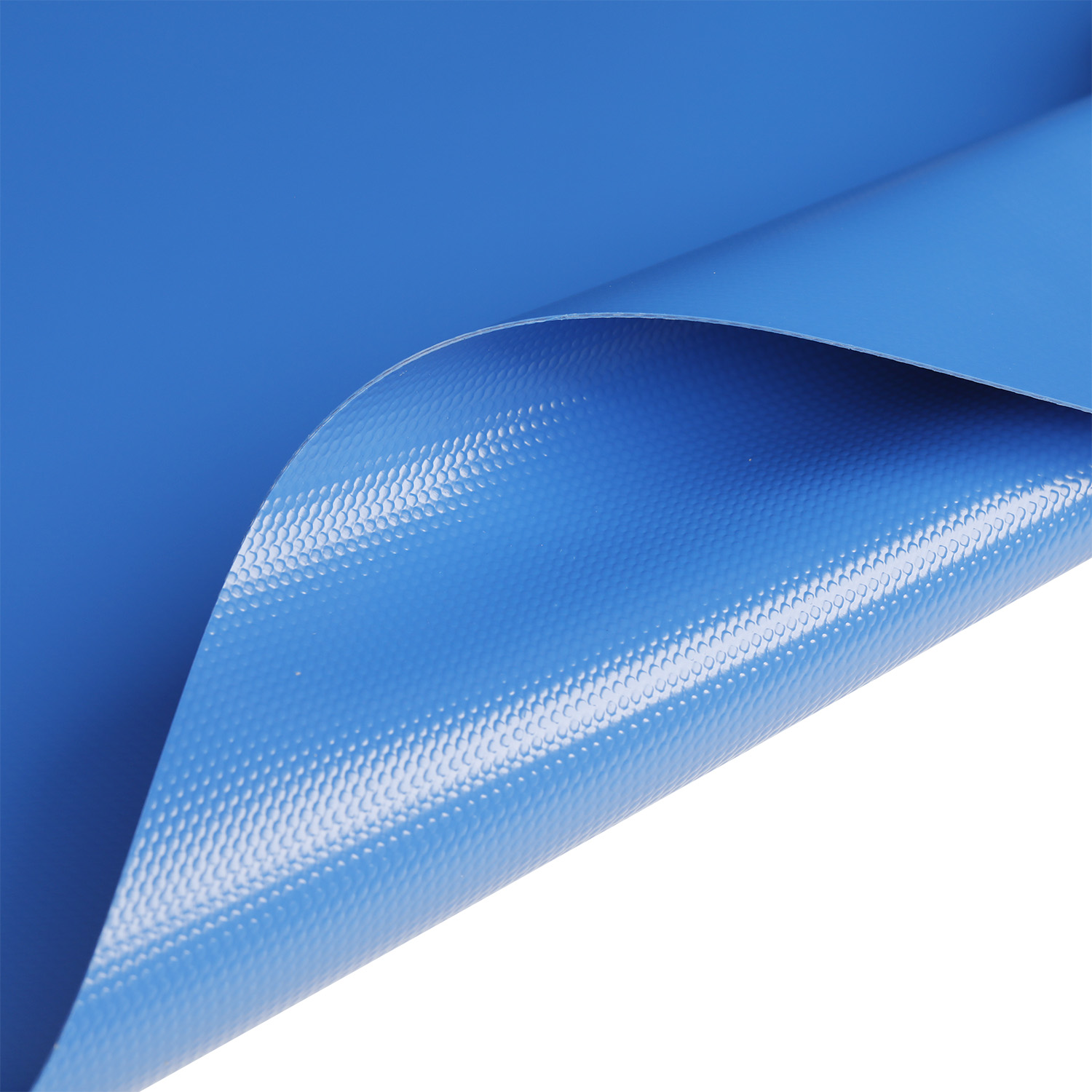
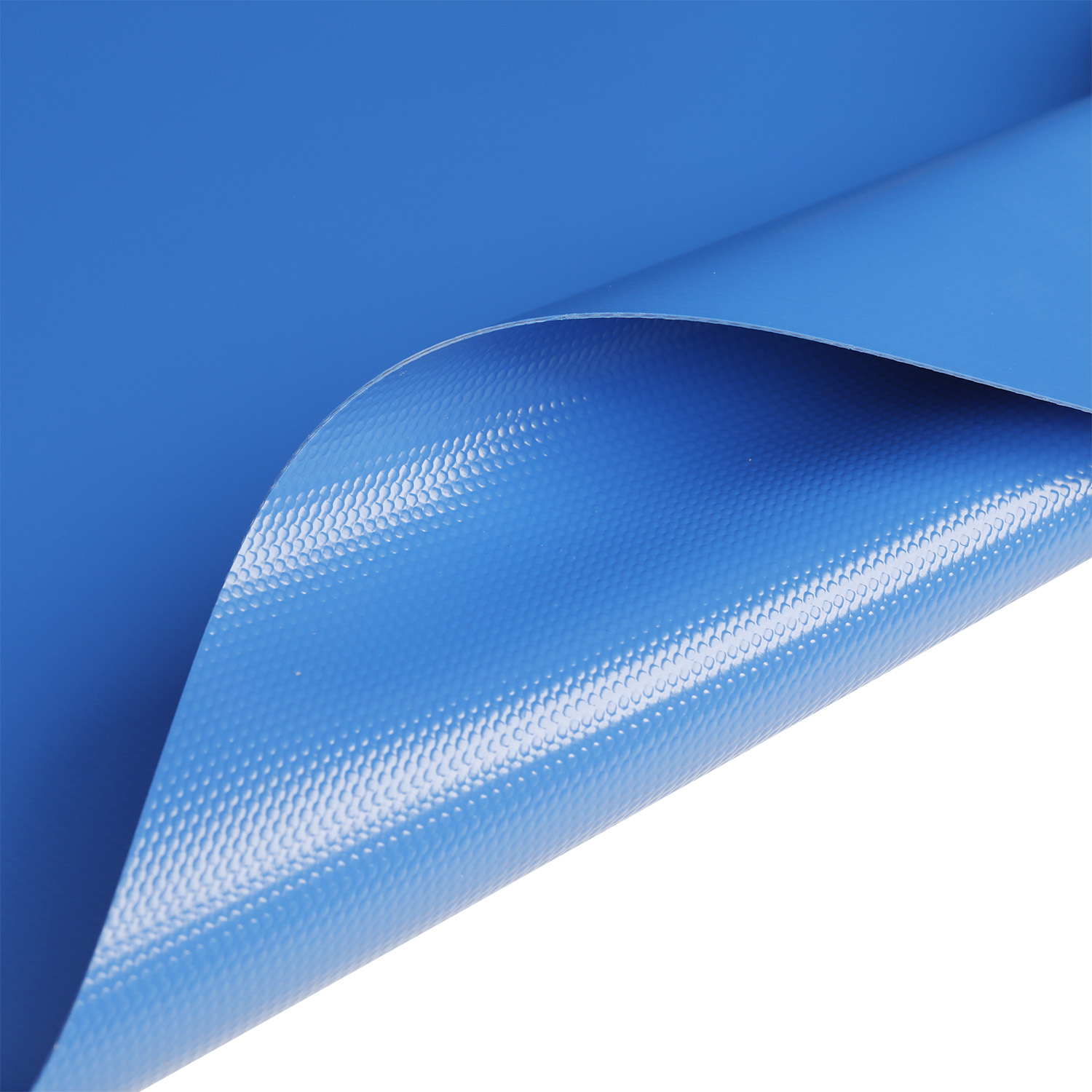
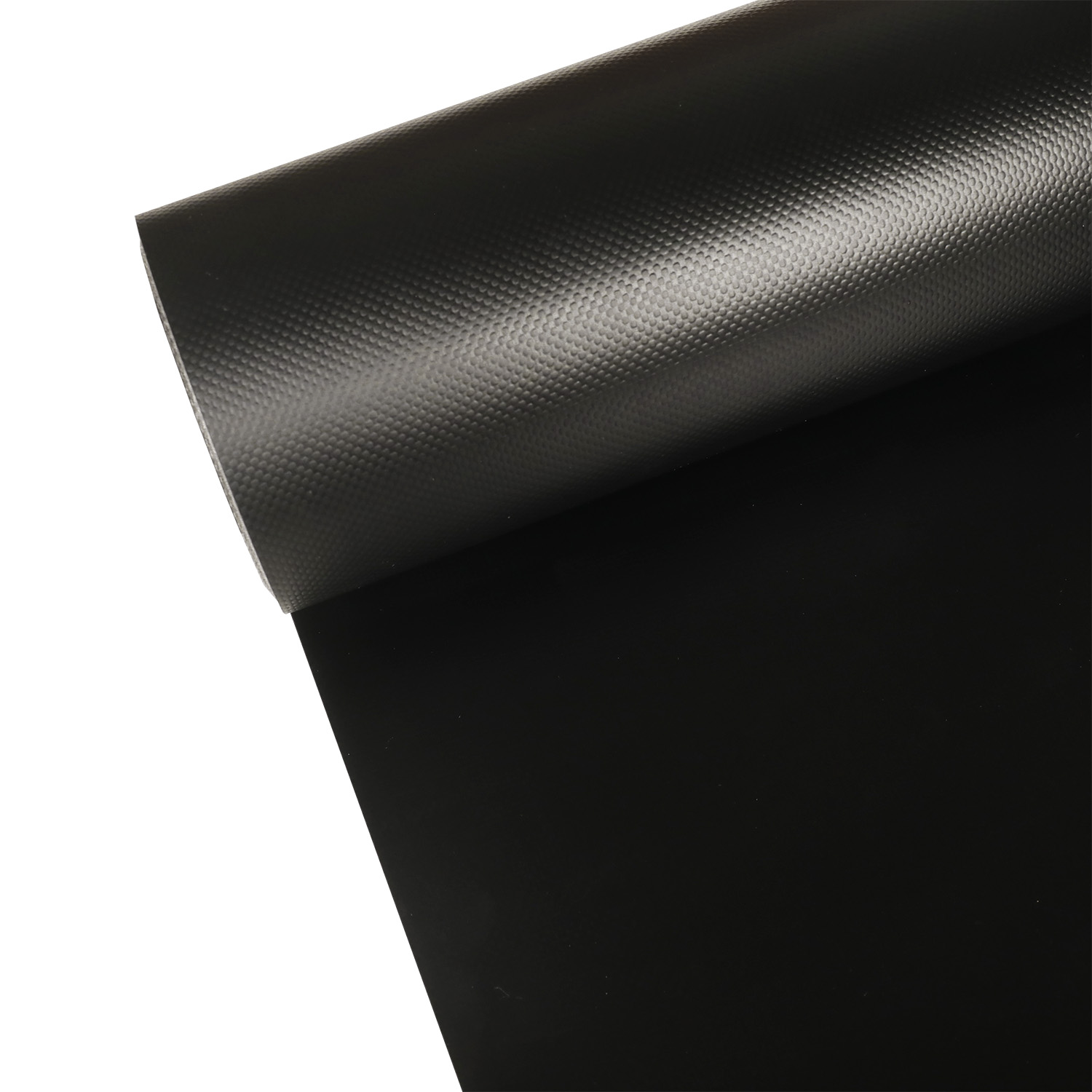
The primary material used in the construction of most inflatable boats is Polyvinyl Chloride (PVC). PVC is a synthetic polymer fabric that is both lightweight and robust. The material used for inflatable boats is typically multilayered, with layers of PVC laminated together to enhance strength and durability. This multilayer construction provides excellent resilience against the wear and tear that boats often experience on the water.
● Advantages Over Other Materials
PVC stands out for several reasons. It is highly resistant to abrasion, punctures, and UV radiation, three critical factors in maintaining the boat's integrity. Additionally, PVC’s resistance to chemicals such as motor oils and gasoline ensures that the material retains its quality even under challenging conditions. Unlike natural rubber, PVC does not rot, making it more durable over prolonged exposure to water and sunlight.
Reinforcement with Polyester Mesh
● Role of Polyester Threads
One of the key enhancements to PVC in inflatable boats is the reinforcement using a polyester mesh. This mesh consists of polyester threads interwoven into the PVC layers, adding significant strength and tear resistance to the fabric. This reinforcement is essential as it ensures the boat can handle higher pressures without breaking or losing its shape.
● Impact on Durability and Strength
The polyester mesh not only enhances durability but also contributes to the boat's overall stability and load-bearing capacity. This means that boats reinforced with such mesh can carry more weight and withstand more strenuous conditions without compromising safety or performance. This reinforcement makes the material suitable for various applications, from leisurely activities to more demanding uses like rescue operations or military applications.
Comparing PVC and Rubber
● Performance Benefits of PVC
While both PVC and rubber have been used in the manufacture of inflatable boats, PVC is generally preferred in modern designs due to its superior characteristics. PVC’s resistance to UV rays and chemicals makes it more durable than rubber, which tends to degrade faster when exposed to sunlight and harsh substances. Additionally, PVC is lighter, which is a significant advantage for portability.
● Historical Use of Rubber in Inflatable Boats
Historically, rubber was the material of choice for inflatable boats. However, rubber boats required more maintenance and had a shorter lifespan. The susceptibility of rubber to UV degradation and the cumbersome nature of its maintenance led to a decline in its popularity as more durable and user-friendly materials like PVC became available.
Durability and Longevity of PVC
● Resistance to Wear and Tear
One of the standout features of PVC is its high resistance to wear and tear. This property is particularly crucial for inflatable boats, which are often subject to harsh marine environments. The material's robustness ensures that it can handle scratches, punctures, and abrasions more effectively than other fabrics.
● Maintenance and Care Tips
While PVC is durable, proper maintenance can significantly extend the life of an inflatable boat. Regular cleaning to remove debris and saltwater residue, careful storage to prevent prolonged exposure to UV rays, and periodic inspections for potential damage are essential practices. Using a good quality repair kit can quickly mend minor punctures, ensuring the boat remains seaworthy.
Environmental Considerations of PVC
● Environmental Impact
While PVC offers many benefits, it is essential to consider its environmental impact. The production and disposal of PVC involve processes that can be harmful to the environment. PVC is not biodegradable, meaning it can persist in the environment for extended periods if not disposed of properly.
● Recyclability and Sustainability
On the flip side, efforts are being made to enhance the recyclability of PVC. By recycling PVC products, the environmental footprint can be reduced. Manufacturers are also developing more sustainable practices, such as using recycled materials in new products and improving the efficiency of production processes to minimize waste.
Innovations in Inflatable Boat Materials
● Recent Advancements
The field of inflatable boat materials has seen significant advancements in recent years. New formulations of PVC and the introduction of alternative materials like Thermoplastic Polyurethane (TPU) are some of the latest developments. These innovations aim to enhance the performance, durability, and environmental friendliness of inflatable boats.
● Future Trends in Material Technology
Looking ahead, the focus is likely to be on developing materials that offer even better performance while reducing environmental impact. Innovations might include more effective UV stabilizers, biodegradable materials, and coatings that enhance the lifespan of inflatable boat fabrics. These advancements promise to make inflatable boats even more reliable and sustainable.
Cost-effectiveness of PVC
● Economic Advantages
One of the key reasons for the widespread adoption of PVC in inflatable boats is its cost-effectiveness. PVC is generally more affordable than other materials like Hypalon or TPU. Its lower cost does not come at the expense of performance, making it an excellent choice for both manufacturers and consumers.
● Long-term Value for Boat Owners
The durability and low maintenance requirements of PVC translate to long-term savings for boat owners. Although initial costs are lower, the long lifespan and reduced need for repairs make PVC boats a cost-effective investment. This is particularly beneficial for those who use their boats frequently or for extended periods.
Versatility and Applications of PVC Boats
● Different Uses of Inflatable Boats
PVC inflatable boats are incredibly versatile. They are used for various activities, including fishing, leisure boating, whitewater rafting, and even emergency rescue operations. The material's adaptability allows manufacturers to design boats for specific purposes, enhancing performance and user experience.
● Customizability and Versatility
PVC fabric can be customized in terms of color, thickness, and reinforcement, allowing for a wide range of boat designs. This customizability is particularly valuable for commercial applications where specific requirements must be met, such as higher load capacities or specialized features for professional use.
Summary: Choosing the Right Material
● Key Factors to Consider
When choosing the material for an inflatable boat, several factors need to be considered. These include the intended use of the boat, the expected environmental conditions, budget constraints, and maintenance capabilities. PVC offers a balanced combination of durability, affordability, and performance, making it a popular choice.
● Final Recommendations
For most recreational and professional uses, a PVC inflatable boat provides excellent value and reliability. However, for specialized requirements, it may be worth exploring other materials like TPU or Hypalon. By understanding the strengths and limitations of each material, consumers can make informed decisions that best meet their needs.
About Yatai Textile
Yatai Textile develops and manufactures innovative composite PVC-coated fabric for construction, transportation, architecture, and outdoor equipment applications. Covering a production area of 50,000 square meters, Yatai Textile operates multiple production lines and advanced equipment from Germany and South Korea. With a team of 300 professional workers and a robust R&D department, Yatai Textile produces high-quality PVC fabrics used globally in various applications. Yatai Textile is committed to quality and innovation, ensuring customer satisfaction worldwide.


 Privacy settings