


Introduction to containment mats
Containment mats serve as an essential tool in various settings, providing a barrier that prevents liquid spills from contaminating surfaces. These mats are crucial for maintaining cleanliness and safety, particularly in environments prone to slippery conditions due to oil, water, or chemical spills. By containing spills, these mats not only protect the surface below but also extend its lifespan.
Historical Context and Use
Historically, containment mats have been utilized in industrial and home settings alike. Their applications span from garages to factories where spillage is frequent. Manufacturers have continually adapted these mats to meet evolving safety standards and material innovations.
Materials Used in Containment Mats
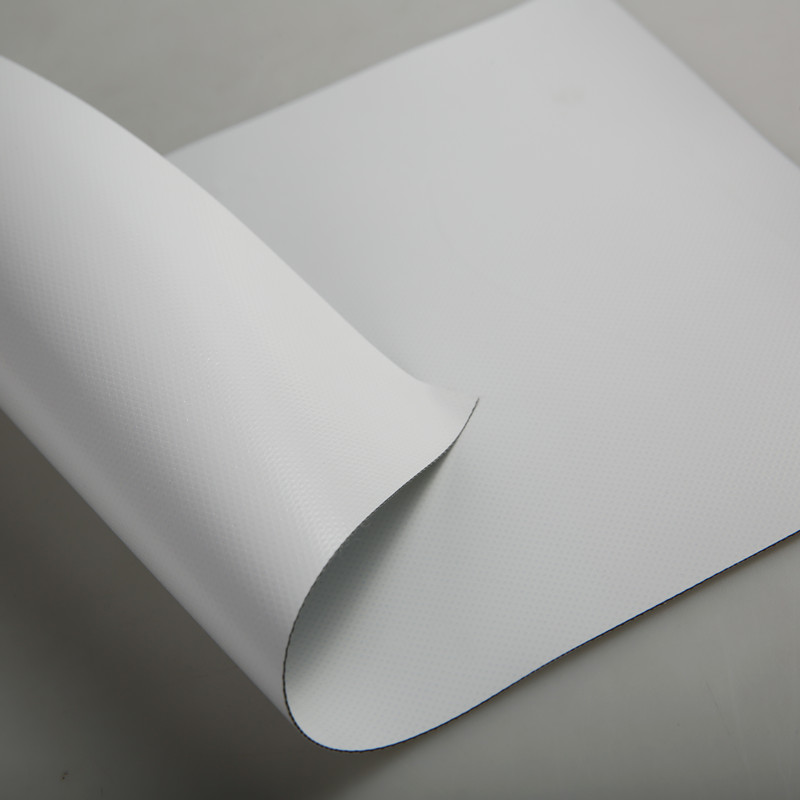
Containment mats are composed of durable materials designed to withstand harsh conditions and prevent fluid penetration. The choice of material is critical to the mat's effectiveness in containing spills.
Heavy-Duty Vinyl and Rubber
The primary materials used are heavy-duty vinyl and rubber. These materials are chosen due to their resistance to chemicals, temperature fluctuations, and physical wear and tear. Vinyl, for instance, provides flexibility and durability, while rubber offers a non-slip surface, an essential feature for safety.
Material Specifications
- Vinyl Thickness: Typically ranges from 0.5mm to 1mm for robust protection.
- Rubber Hardness: Measured on the Shore A scale, with readings between 60-70 for optimal grip and durability.
Functionality and Benefits
The primary function of containment mats is to trap spills and prevent them from spreading, thereby protecting the underlying surfaces and minimizing cleanup efforts.
Spill Containment Efficiency
Containment mats are equipped with raised edges that act as barriers to confine liquids. This feature is critical in preventing the flow of contaminants, such as oil or antifreeze, onto the ground or surrounding areas.
Operational Benefits
- Time Savings: Simplifies cleanup operations by localizing spills.
- Surface Protection: Shields surfaces from corrosive substances.
Safety Features of Containment Mats
Safety is a paramount consideration in the design of containment mats. Their features enhance safety by preventing slips and providing a stable surface.
Non-Slip Surface Design
Containment mats often feature a textured or grooved surface to prevent slips, especially in wet conditions. This design is crucial in garages and factories where spills are common, offering users increased traction and reducing the risk of accidents.
Durability and Longevity
Built to last, containment mats are designed to endure heavy usage without compromising their effectiveness. They resist puncture, abrasion, and chemical damage.
Manufacturing Quality
Reputable manufacturers ensure that their containment mats undergo rigorous testing to meet industry standards. Factories employ advanced manufacturing techniques to produce mats that can withstand extreme conditions.
Longevity Metrics
- Average Lifespan: 5-10 years, based on usage and maintenance.
- Load Capacity: Supports up to 10,000 lbs per square foot.
Customization and Aesthetic Options
Beyond functionality, containment mats can be customized to fit aesthetic preferences and specific application requirements.
Size and Shape Versatility
Manufacturers offer mats in various sizes and shapes to accommodate different spaces and configurations. Custom cuts are available for spaces with unique dimensions or obstacles.
Color and Pattern Choices
To enhance visual appeal, suppliers provide options in colors and patterns, allowing customers to match the mats with their environments or company branding.
Environmental and Economic Impact
Containment mats not only provide a practical solution but also contribute to environmental protection and offer economic advantages.
Environmental Protection
By preventing contaminants from reaching the ground, containment mats help mitigate environmental damage. This reduces the likelihood of soil and water pollution.
Cost Efficiency
- Reduced Maintenance: Fewer cleanups and repairs lead to financial savings over time.
- Extended Surface Lifespan: Protects flooring from wear and tear, minimizing replacement costs.
Easy Installation and Maintenance
Containment mats are designed for easy setup and upkeep, making them accessible for both large factories and individual users.
Installation Process
Installation requires minimal tools and can be completed swiftly. Most mats are designed to be laid out directly on the surface without adhesives, simplifying the process.
Maintenance Guidelines
- Cleaning: Use a hose or pressure washer for effortless maintenance.
- Inspection: Regular checks ensure the mat remains in optimal condition.
Applications in Different Settings
Containment mats are versatile, suitable for various environments including homes, factories, and commercial spaces.
Household Applications
In garages, mats protect against vehicle fluid leaks, dirt, and water, maintaining a clean and safe space. Homeowners benefit from the ease of cleanup these mats offer.
Industrial and Commercial Use
Factories utilize containment mats to prevent spills in production areas, ensuring worker safety and maintaining operational efficiency. Suppliers provide mats in bulk to meet industrial demands.
Conclusion and Recommendations
Containment mats are vital tools for managing spills, enhancing safety, and protecting surfaces. Their benefits extend across various industries, proving their value as a practical investment. Choosing the right mat involves considering material, durability, and customization options to meet specific needs.
Yatai Textile Provide Solutions
Yatai Textile offers high-quality containment mats designed for maximum spill prevention and durability. With options for customization and a focus on safety, our products cater to diverse industrial and personal uses. As a leading supplier, we ensure that our mats meet rigorous standards for environmental and economic efficiency. Partner with Yatai Textile for innovative solutions to your spill containment needs.





 Privacy settings