


Introduction to PVC for Inflatable Boats
Inflatable boats have gained immense popularity over the years due to their versatility, ease of storage, and portability. One of the critical materials used in the manufacturing of inflatable boats is PVC (Polyvinyl Chloride). Understanding whether PVC is good for inflatable boats involves diving into its characteristics, advantages, maintenance requirements, and how it compares to other materials like Hypalon. This article will explore every facet of PVC in the context of inflatable boats, providing you with a comprehensive guide on its suitability.
Advantages of PVC Material
● Cost-Effectiveness
One of the most significant advantages of using PVC for inflatable boats is its cost-effectiveness. Compared to other materials like Hypalon, PVC is two to three times cheaper. This is largely because PVC can be produced and assembled industrially in a factory setting, making it a cost-effective choice for manufacturers and consumers alike.
● Ease of Industrial Assembly
The ease with which PVC can be assembled is another key advantage. PVC materials are typically welded together, a process that is generally more reliable than gluing, which is used for Hypalon. Welding creates a fusion of materials, ensuring that once the fabrics are joined, they cannot separate. This reliability makes PVC a popular choice for inflatable boats.
Durability and Longevity of PVC
● Resistance to Wear and Tear
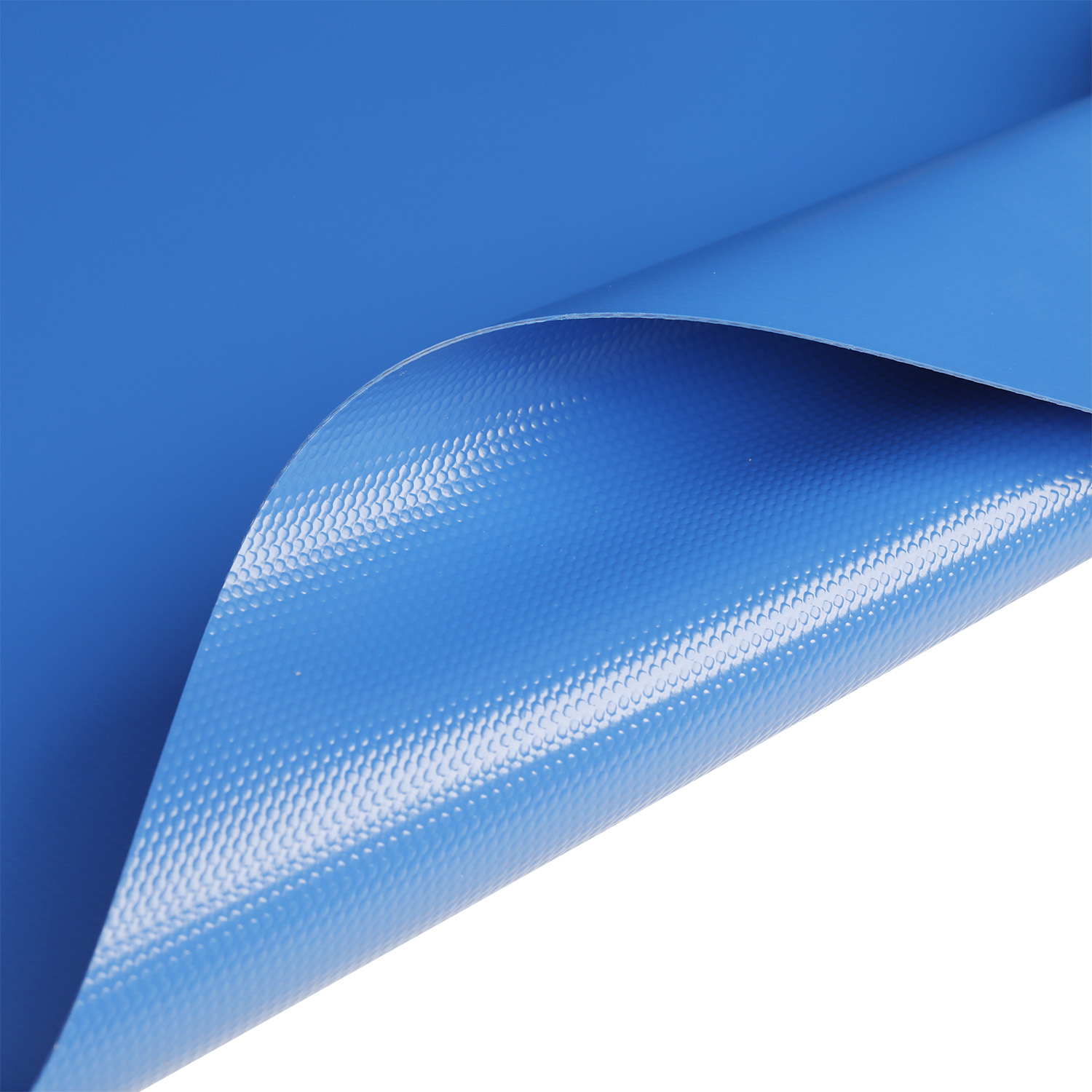
PVC is known for its resistance to wear and tear, making it a durable choice for inflatable boats. The material's durability can be attributed to its method of construction. The quality of PVC depends on the textile fiber material and the weave itself. Generally, there are single or double thread weaves, with the latter offering better resistance to tearing or puncturing.
● Factors Influencing Longevity
The longevity of a PVC inflatable boat largely depends on factors such as the weight of the fabric and its exposure to elements like the sun. The weight of the fabric is measured in decitex (dtx), with common weights being 1100 and 1570 dtx. Higher-weight fabrics are generally used for larger boats that are more exposed to shocks and rough docking. Proper maintenance, like regular cleaning and protection against UV exposure, can significantly extend the life of a PVC boat.
Maintenance Requirements for PVC Boats
● Routine Cleaning Practices
Maintaining a PVC inflatable boat is relatively straightforward but essential for ensuring its longevity. Regular cleaning with soap and water is crucial. Typically, scrubbing the boat with soapy water two to three times a year can help eliminate the "sticky" effect caused by plasticizers rising to the surface of the fabric. This maintenance routine keeps the boat looking new and prevents the material from aging prematurely.
● Protection Against UV Exposure
While PVC is generally durable, it can suffer from prolonged exposure to the sun. To mitigate this, it's advisable to protect your boat with protective coatings and clean it regularly, especially if the boat is left outside all year round. Proper protection and maintenance can nearly equate the durability of PVC to that of Hypalon, which is traditionally considered more resistant to UV exposure.
PVC vs. Hypalon: Cost Considerations
● Price Differences
When it comes to cost, PVC has a clear advantage over Hypalon. PVC is significantly cheaper, making it an attractive option for budget-conscious buyers. Hypalon, on the other hand, can be quite expensive due to its labor-intensive manufacturing process. This cost difference can be a decisive factor for many boat owners.
● Budget Implications for Boat Owners
The lower cost of PVC makes it accessible for a broader range of consumers. For those who use their boats occasionally and store them properly, PVC offers a cost-effective solution without compromising too much on quality and durability. However, for professional use or year-round activity, the higher initial investment in Hypalon might be justified.
Performance and Reliability of PVC
● Welding vs. Gluing Methods
One of the standout features of PVC is its method of assembly. PVC materials are welded together, creating a strong, reliable bond. In contrast, Hypalon relies on gluing, which can degrade over time due to environmental factors. The welding process used for PVC offers a more permanent solution, making it a reliable choice for inflatable boats.
● Impact on Performance and Reliability
The reliability of PVC, due to its welding assembly, ensures that the inflatable boat maintains its integrity over time. This method of construction enhances the boat's performance, making it suitable for various activities, from leisurely cruising to more demanding tasks like diving or fishing.
Weight and Handling of PVC Inflatable Boats
● Influence on Boat Weight
PVC inflatable boats tend to be lighter than those made from Hypalon. This reduced weight makes them easier to handle, transport, and store. The lighter weight does not significantly compromise the boat's strength, making PVC a practical choice for many users.
● Ease of Transportation and Handling
The lightweight nature of PVC boats makes them highly portable. Whether you need to carry the boat to the water or store it in a small space, PVC inflatable boats offer the convenience that heavier materials cannot match. This ease of handling is particularly beneficial for recreational users who need a boat that is easy to transport and set up.
Aesthetic and Customization Options with PVC
● Color and Design Limitations
PVC boats offer a limited range of color options compared to Hypalon. Traditional colors like white, grey, red, black, and blue are commonly available. While this might seem like a drawback, it does not significantly impact the boat's functionality, and many users find these color choices satisfactory.
● Customization Possibilities
Despite the limited color range, PVC boats can still be customized to a certain extent. Manufacturers can offer different design options and features to suit various needs. However, the customization options are not as extensive as those available with Hypalon, which comes in a wider range of colors and textures.
When to Choose PVC over Hypalon
● Ideal Usage Scenarios
PVC is an excellent choice for smaller rigid inflatable boats (RIBs) typically under 5.5 to 6 meters. For recreational use, where the boat is only used for a few months a year and stored properly during off-seasons, PVC offers a cost-effective and reliable solution.
● Recommendations Based on Boat Size and Use
For boats larger than 6 meters or those used year-round, especially in professional settings like diving clubs or sailing schools, Hypalon might be a better option due to its superior durability. However, for casual boaters, the affordability and ease of maintenance of PVC make it a highly recommended material.
Introducing Yatai Textile
Yatai Textile is a renowned name in the industry, specializing in high-quality pvc boat tarpaulins. As a leading pvc boat tarpaulin manufacturer, pvc boat tarpaulin factory, and pvc boat tarpaulin supplier, Yatai Textile is committed to delivering durable and reliable materials for inflatable boats. With a focus on innovation and quality, Yatai Textile ensures that its products meet the highest standards, making them a trusted choice for boat manufacturers and consumers worldwide.




 Privacy settings