


In the world of industrial materials, vinyl and tarpaulin hold prominent positions due to their versatility, durability, and wide range of applications. Despite their apparent similarities, these two materials possess distinct characteristics and are suitable for different purposes. This article will delve into the nuances of vinyl and tarpaulin, exploring various aspects such as material composition, common uses, weather resistance, cost factors, and more.
Material Composition and Properties
● Differences in Raw Materials
Vinyl is a type of plastic made from polyvinyl chloride (PVC). It is known for its flexibility, durability, and resistance to environmental factors. The primary component, PVC, is derived from ethylene (a product of crude oil) and chlorine (from salt). This combination results in a material that is not only strong but also versatile, making it a popular choice for various industrial applications.
On the other hand, tarpaulin is generally made from woven polyethylene or canvas coated with PVC or other waterproof materials. Tarpaulins come in different grades and thicknesses, determined by the intended use. They can range from lightweight, economy-grade solutions to heavy-duty options designed for industrial use.
● Durability and Flexibility
Vinyl is particularly noted for its flexibility and ability to withstand repeated bending without breaking. This makes it ideal for applications such as banners, truck covers, and other uses where the material needs to be stretched or folded without damage.
Tarpaulins, especially those made from high-grade materials, exhibit remarkable durability. They are resistant to tearing and can endure harsh conditions, including heavy rain, strong winds, and UV exposure. However, their flexibility can vary depending on the specific material and thickness used.
Common Uses and Applications
● Typical Applications for Vinyl
Vinyl is highly versatile and is used in a wide range of applications. Some common uses include:
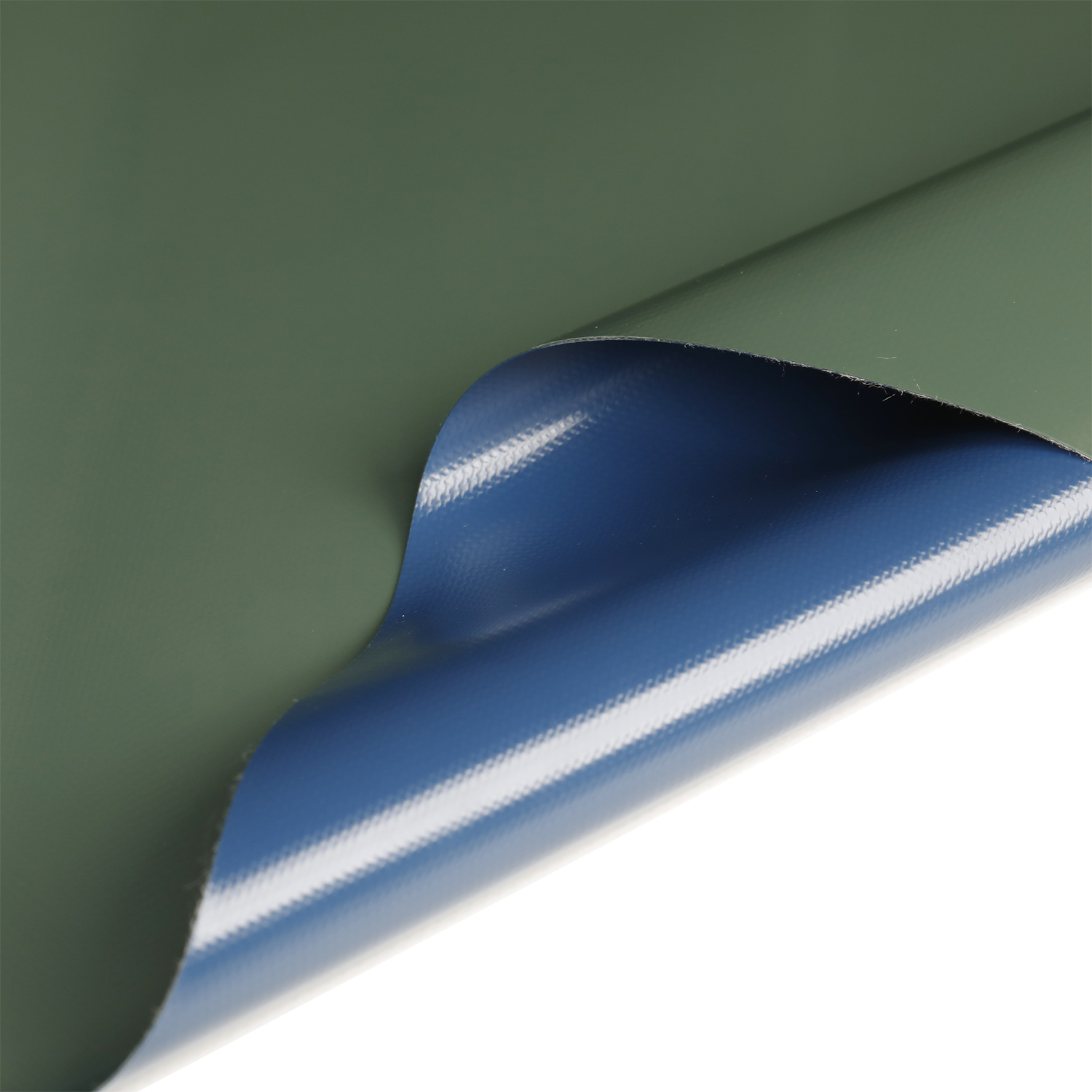
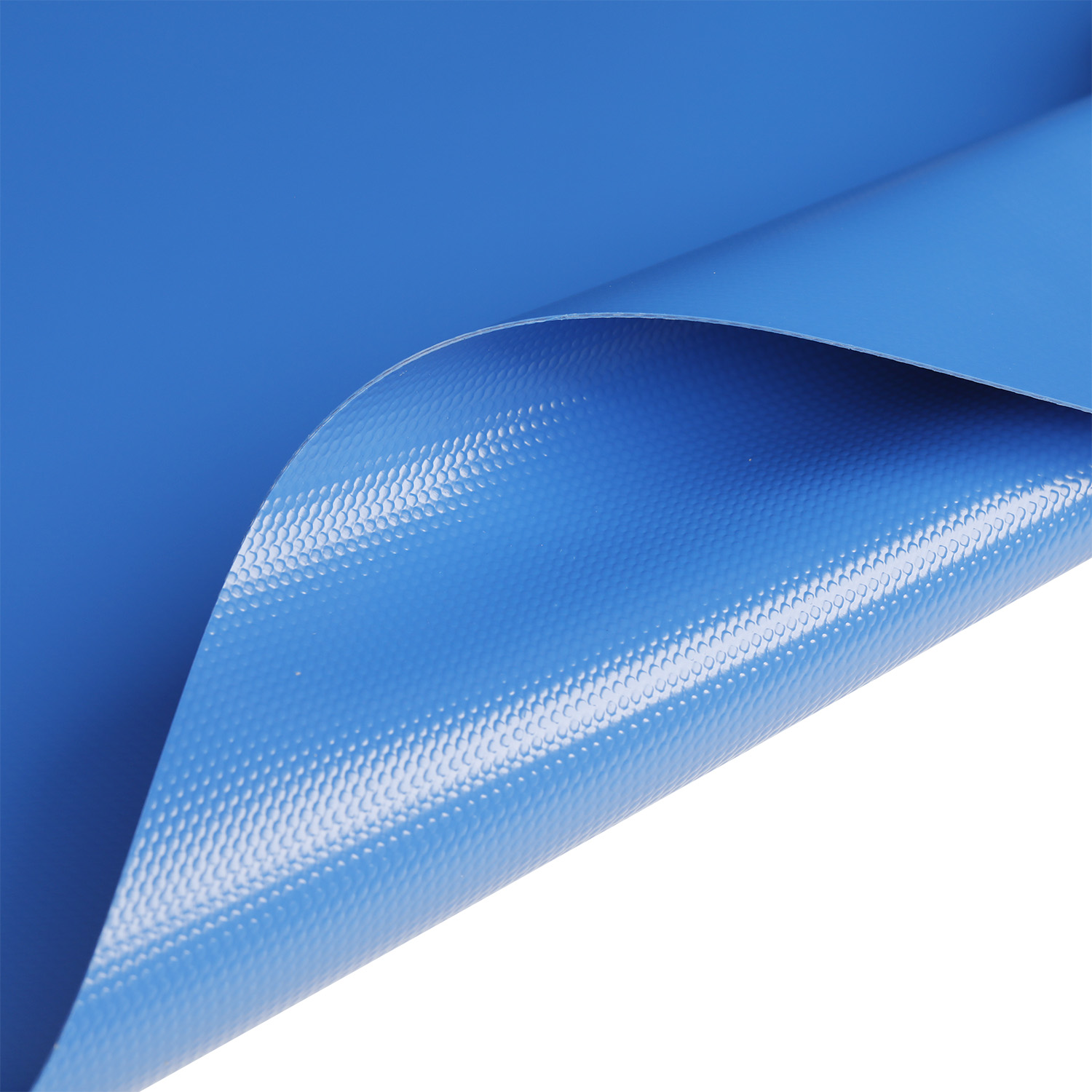
- pvc truck tarpaulin: Widely used in the transportation industry for covering trucks and cargo.
- Banners and Signage: Due to its flexibility and ability to hold vibrant colors, vinyl is a popular choice for outdoor advertising.
- Flooring: Vinyl flooring is durable, easy to clean, and available in various designs and colors.
- Wall Coverings: Vinyl wall coverings are used in both residential and commercial settings for their aesthetic appeal and durability.
● Common Uses for Tarpaulin
Tarpaulins serve a broad spectrum of purposes, often overlapping with those of vinyl. Some prominent uses include:
- Protection Covers: Used to protect goods from weather damage, including equipment, vehicles, and construction materials.
- Shelters and Tents: Tarpaulins are often used in outdoor and emergency shelters due to their waterproof properties.
- Ground Sheets: Commonly used by campers and outdoor enthusiasts as protective layers on the ground.
- Agricultural Uses: Tarpaulins are used to cover silage, hay, and other agricultural products to protect them from the weather.
Weather Resistance and Durability
● How Each Material Stands Up to Weather
Vinyl, especially when reinforced with polyester, offers excellent resistance to harsh weather conditions. It can withstand prolonged exposure to sunlight, rain, and wind without significant degradation. This makes it an ideal choice for outdoor applications, such as PVC truck tarpaulins, which need to endure a variety of environmental factors while protecting cargo.
Tarpaulins, depending on their grade, also offer substantial weather resistance. Heavy-duty tarps are designed to be waterproof and UV-resistant, making them suitable for long-term outdoor use. However, lower-grade tarps may not offer the same level of protection and can degrade faster when exposed to harsh conditions.
● Longevity and Maintenance
When it comes to longevity, both vinyl and high-quality tarpaulins are designed to last. Vinyl, known for its tough and flexible nature, can endure years of use with minimal maintenance. Regular cleaning and occasional inspections for wear and tear can help extend its lifespan even further.
Tarpaulins require similar maintenance practices. Regular cleaning, proper storage when not in use, and timely repairs to any minor damages can significantly prolong their lifespan. It is also essential to ensure that tarps are properly secured during use to prevent tearing or other damage from wind and other elements.
Cost and Economic Factors
● Price Comparison
Price is often a critical factor when choosing between vinyl and tarpaulin. In general, vinyl tends to be more expensive than polyethylene tarpaulin due to the cost of raw materials and the manufacturing process. However, the higher initial cost can be justified by vinyl's durability and lower maintenance requirements, especially for long-term use.
Tarpaulins, particularly those made from polyethylene, are typically less expensive. This cost-effectiveness makes them an attractive option for temporary or short-term applications. However, for long-term use, investing in a higher-grade tarpaulin or considering vinyl might be more economical in the long run.
● Long-Term Cost Efficiency
While the initial cost of vinyl can be higher, its durability and low-maintenance nature can result in cost savings over time. Vinyl products, such as PVC truck tarpaulins, often outlast their tarpaulin counterparts, reducing the need for frequent replacements. Additionally, the material's resistance to environmental factors means less money spent on repairs and upkeep.
In contrast, while tarpaulins may be cheaper initially, they might require more frequent replacement and maintenance, especially if subjected to harsh conditions. Therefore, for applications requiring long-term use, vinyl might offer better long-term cost efficiency despite the higher upfront investment.
Weight and Portability
● Lightweight Properties
One of the notable differences between vinyl and tarpaulin is their weight. Vinyl, being a denser material, is generally heavier than tarpaulin. This added weight can be beneficial in certain applications, such as truck covers, where it adds to the material's stability and ability to stay in place even in strong winds.
Tarpaulins, particularly those made from polyethylene, are lightweight and easy to handle. This makes them ideal for applications where ease of transport and quick deployment are essential, such as emergency shelters and temporary protection covers.
● Ease of Transport
Vinyl’s weight can be a disadvantage in situations requiring frequent transportation and setup. However, its durability and robustness often outweigh this drawback, especially in applications where long-term protection is crucial.
Tarpaulins score high on portability. Their lightweight nature, combined with the ability to fold or roll them up compactly, makes them easy to transport and store. For temporary uses or situations where the material needs to be moved regularly, tarpaulins are often the preferred choice.
Aesthetic Qualities and Customization
● Design and Color Options
Vinyl is renowned for its aesthetic versatility. It can be produced in a wide range of colors, patterns, and finishes, making it a popular choice for visual applications such as banners, signage, and decorative wall coverings. Vinyl also has the ability to hold vibrant colors over time, even with prolonged exposure to the sun, thanks to its UV-resistant properties.
Tarpaulins, while available in various colors and styles, generally offer fewer aesthetic options compared to vinyl. The focus for tarps is often more on functionality than appearance. However, they can still be customized to a degree, with different colors and even printed logos available from certain suppliers.
● Custom Printing Capabilities
One of vinyl's standout features is its ability to be custom printed, which is a significant advantage for promotional and advertising applications. High-quality printing ensures that graphics remain vivid and clear over time, making vinyl an excellent choice for banners and signage.
While tarpaulins can also be printed on, the quality and longevity of printed graphics may not match that of vinyl. This makes tarpaulins less suited for applications where the appearance and clarity of printed designs are critical.
Environmental Impact and Sustainability
● Eco-Friendliness of Each Material
Environmental considerations are increasingly important in material selection. Vinyl, being a type of plastic, is derived from petrochemicals, raising concerns about its environmental footprint. However, advancements in manufacturing have led to the development of more eco-friendly vinyl options, including those made from recycled materials.
Tarpaulins, particularly those made from polyethylene, also raise environmental concerns due to their plastic content. However, their lower initial cost and potential for recycling can mitigate some of their environmental impact. Canvas tarpaulins, made from natural fibers, are a more eco-friendly alternative but may not offer the same durability and weather resistance.
● Recycling and Disposal
Both vinyl and tarpaulins present challenges when it comes to recycling and disposal. Vinyl is not biodegradable, and improper disposal can contribute to plastic pollution. However, many recycling programs are available for PVC products, allowing used vinyl to be repurposed into new products.
Tarpaulins, especially those made from polyethylene, also face recycling challenges. While they are technically recyclable, the process can be complicated, and not all recycling facilities accept them. Proper disposal and exploring recycling options are crucial to minimizing their environmental impact.
Installation and Ease of Use
● Installation Processes
The installation process for vinyl and tarpaulin products can vary based on the specific application. Vinyl, due to its flexibility and robustness, is relatively straightforward to install. For example, PVC truck tarpaulins can be easily secured with ropes, bungee cords, or other fastening devices. The material's pliability allows it to conform to various shapes and surfaces with ease.
Tarpaulin installation is also generally simple, especially for lightweight polyethylene versions. They can be quickly laid out and secured with minimal effort, making them ideal for temporary setups. Heavy-duty tarps may require more effort and reinforcement to ensure they stay in place under adverse conditions.
● User-Friendliness
When it comes to overall user-friendliness, both materials have their strengths. Vinyl's flexibility and durability make it easy to work with for a variety of applications. Its resistance to tearing and ability to withstand repeated use without significant wear make it an excellent choice for long-term projects.
Tarpaulins are favored for their ease of handling and quick setup. Their lightweight nature and straightforward installation process make them a go-to option for temporary or emergency applications. However, users should be aware of the potential for lower-grade tarps to wear out more quickly under demanding conditions.
Strength and Tear Resistance
● Tensile Strength
Vinyl is known for its impressive tensile strength, which is the ability to withstand pulling or stretching forces without breaking. This makes it an ideal material for applications requiring durability and robustness, such as truck covers and banners. Reinforced vinyl, which includes a layer of polyester fabric, offers even greater tensile strength, ensuring long-lasting performance even under stress.
Tarpaulins, particularly heavy-duty versions, also offer substantial tensile strength. Polyethylene tarps are designed to resist tearing and can handle significant weight and pressure. However, the tensile strength can vary widely based on the material and grade of the tarpaulin, with higher-grade options providing better performance.
● Resistance to Punctures and Tears
Vinyl's resistance to punctures and tears is another reason for its popularity in demanding applications. The material's inherent toughness, combined with the option for reinforcement, means it can withstand rough handling and harsh conditions without significant damage.
Tarpaulins, while generally durable, can be more susceptible to punctures and tears, especially lower-grade options. Heavy-duty tarps, however, are designed to resist such damage, making them suitable for industrial and outdoor use. Regular inspection and timely repairs can help maintain their integrity and prolong their lifespan.
Industry Standards and Regulations
● Compliance with Industry Standards
Both vinyl and tarpaulins are subject to various industry standards and regulations to ensure their quality and safety. Vinyl products, particularly those used in construction and transportation, must comply with standards related to fire resistance, tensile strength, and environmental impact. PVC truck tarpaulins, for example, need to meet specific criteria to ensure they provide adequate protection and durability.
Tarpaulins are also regulated, with standards varying based on their intended use. Industrial-grade tarps must meet stringent requirements for strength, weather resistance, and safety. These standards help ensure that tarps can perform reliably in demanding conditions and provide adequate protection.
● Safety Implications
Safety is a critical consideration when selecting materials like vinyl and tarpaulin. Vinyl's compliance with fire resistance standards makes it a safer option for applications where fire hazards are a concern. Its durability and resistance to damage also contribute to safety by reducing the risk of material failure.
Tarpaulins, particularly those used in construction and transportation, must also adhere to safety standards. Ensuring that tarps are properly secured and free from damage is essential to prevent accidents and ensure the safety of both people and property.
Conclusion
In conclusion, while vinyl and tarpaulin share some similarities, they are distinct materials with unique properties and applications. Vinyl, known for its flexibility, durability, and aesthetic versatility, is often the preferred choice for long-term, visually demanding applications. Tarpaulins, with their lightweight nature and cost-effectiveness, are ideal for temporary or short-term uses where ease of handling and quick deployment are essential.
When choosing between vinyl and tarpaulin, factors such as material composition, weather resistance, cost, and application requirements should be carefully considered. Both materials offer valuable benefits, and the right choice will depend on the specific needs of your project.
● About Yatai Textile
Yatai Textile is a leading manufacturer and supplier of high-quality PVC truck tarpaulins. With a commitment to excellence and innovation, Yatai Textile offers a wide range of products designed to meet the diverse needs of the transportation and industrial sectors. As a trusted name in the industry, Yatai Textile ensures that all their products adhere to stringent quality standards, providing customers with reliable and durable solutions.



 Privacy settings